The ‘Meals and Migration in Little Manila’ tour returns on Saturday, June 13, 2026, inviting participants to explore the food and migration stories that helped transform the Bathurst Street and Wilson Avenue area into one of Canada’s most recognizable Filipino neighbourhoods.
The walking tour, organized by Heritage Toronto and led by volunteers Diana Roldan and Ysh Cabana, will guide visitors through restaurants, bakeries, remittance centres, murals, and gathering places while highlighting the history of Filipino immigration and entrepreneurship in Toronto.
“It’s a gateway to invite others to learn about their stories and share about our initiatives and entrepreneurship, where the Filipino community is going, what’s happening right now,” Roldan said.
The tour traces its roots to 2013, when Roldan began leading walks focused on Filipino immigration in Toronto.
After participants repeatedly asked where they could find Filipino food, organizers expanded the concept and moved the tour to Little Manila in 2016, where it has continued for nearly a decade.
Over the years, Roldan said the neighbourhood has evolved alongside the tour as more Filipino-owned businesses established themselves in the area.
“Every time we go back to the site, Filipino businesses start taking over those spaces,” she said.
This year’s route begins at Mabuhay Garden at 3749 Bathurst St. before moving through the neighbourhood’s commercial corridor.
Stops include community murals, remittance businesses, Wilson’s Haus of Lechon, Daily Bread Bakery, Filipino grocery stores, and Kabalen Restaurant.
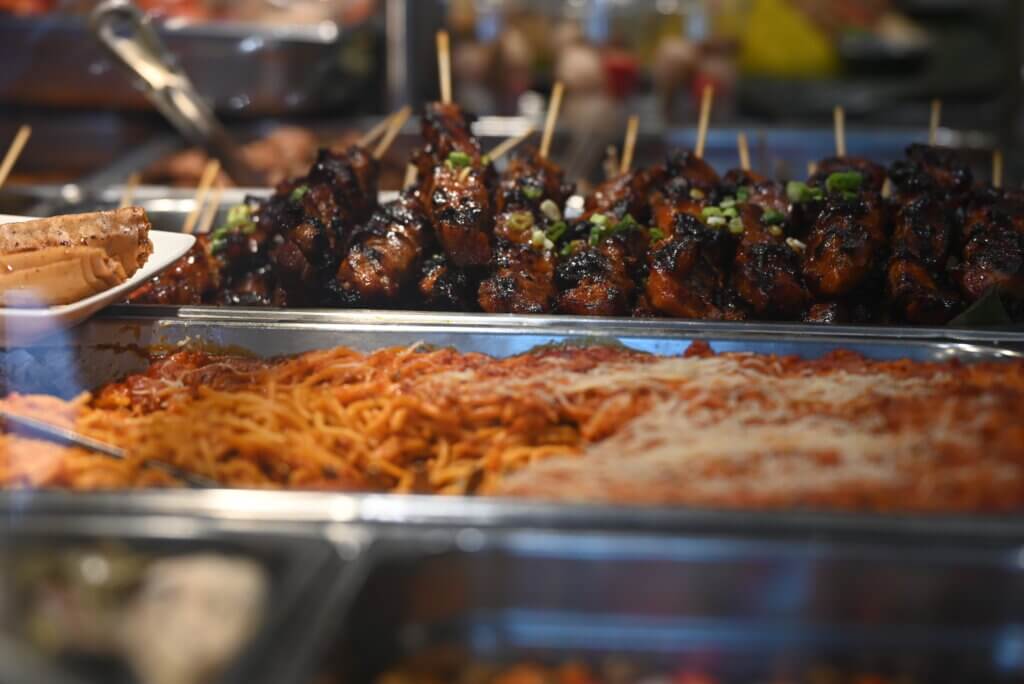
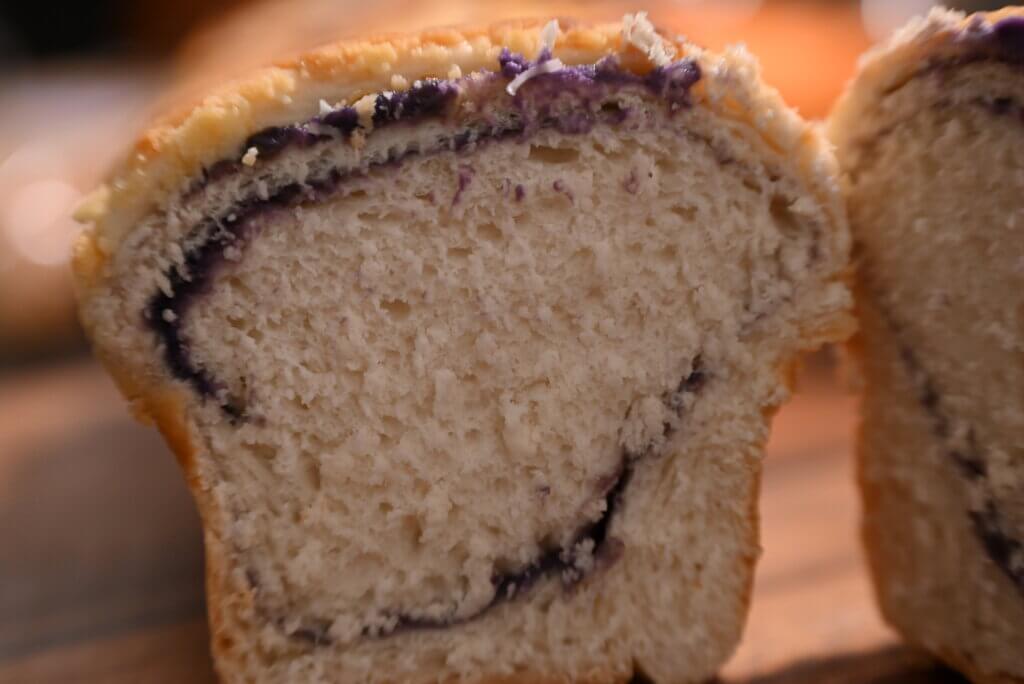
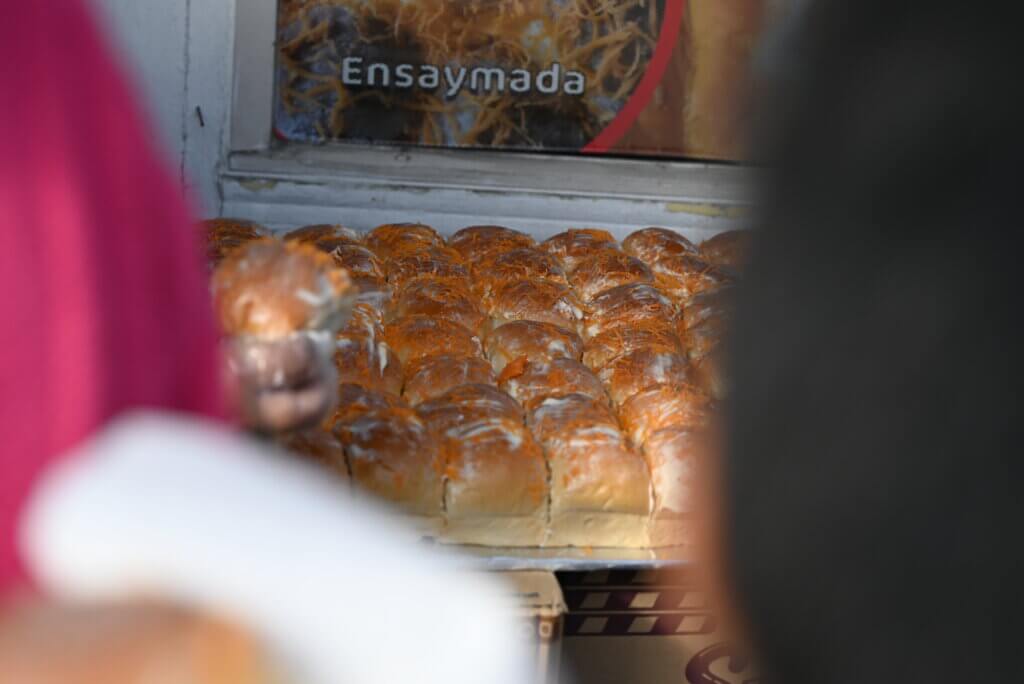
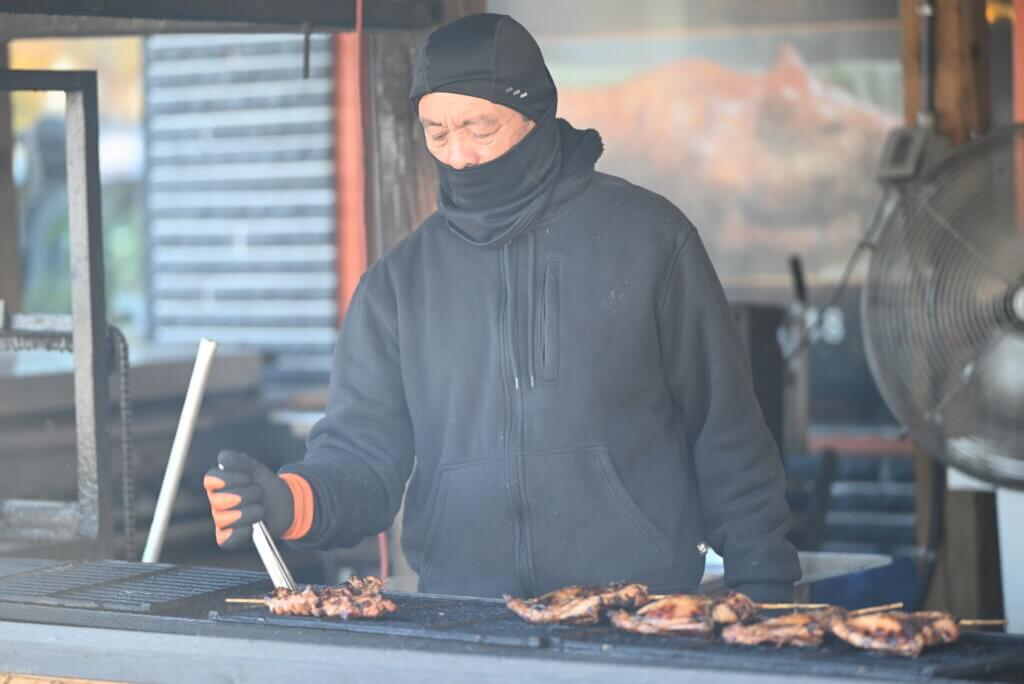
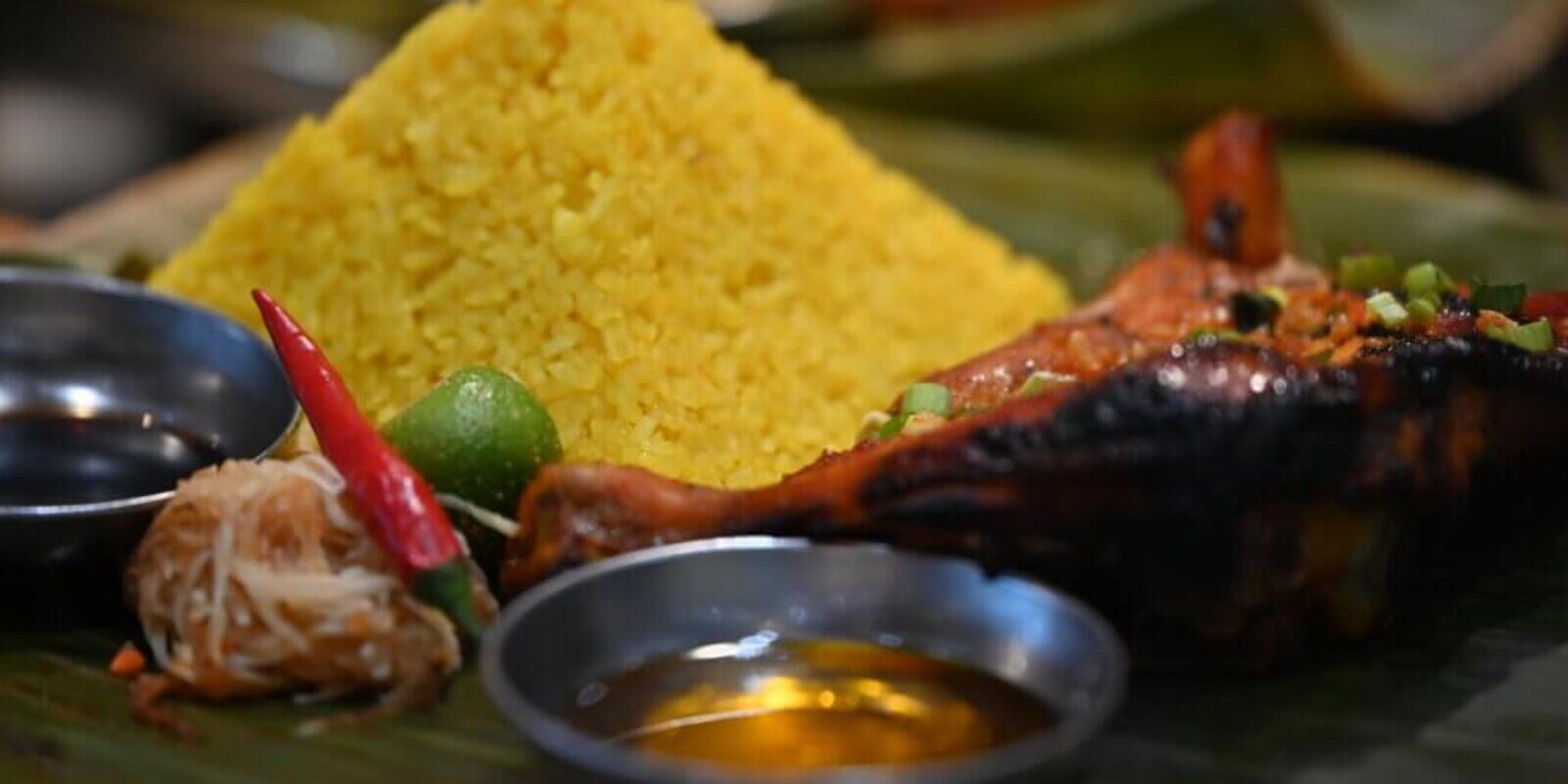
Grilled chicken barbecue and spaghetti from Kabalen Restaurant, ube bread and ensaymada from Daily Bread Bakery, and grilled chicken from Wilson’s Haus of Lechon. All photos by Yona M. Harvey
Filipino Migration Stories
Participants will also hear stories about caregivers, entrepreneurs, and the different waves of Filipino migration to Canada.
“They will learn about Filipino immigration in general,” Roldan said.
“They would also meet a lot of the entrepreneurs in the area. They will learn about how they started their businesses, what brought them to Canada, and why they’re specializing in particular recipes.”
For Cabana, who has helped lead the tours for more than 10 years, the walk is also an effort to preserve a community history that is often overlooked.

“What drew me to documenting Little Manila was the built heritage there,” said Cabana, a freelance journalist and researcher.
“There has been yearning for us to be recognized as a contributing population within the city of Toronto.”
While neighbourhoods such as Chinatown, Little Italy, and Greektown feature prominent cultural markers and signage, Cabana said Little Manila still lacks many of those visual identifiers despite the area’s significant Filipino presence.
“We get a lot of questions like, ‘Why don’t we have banners that say Little Manila?’ or identifying signage,” he said.
“Maybe in the future we can work towards something with that goal.”
Cabana said preserving Filipino stories is especially important for younger generations growing up in Canada.
“The lack of representation is a challenge for younger generations to identify themselves as part of that heritage,” he said.
“Efforts like walking tours are just one of the many ways we can really express ourselves as a community.”
‘It Feels Like Home’
Among the featured stops is Kabalen Restaurant, one of Little Manila’s longstanding Filipino businesses.
Marketing team members Mark San Jose and Abby Diaz said participating in the tour allows the restaurant to share more than just its menu.
“When people talk about Kabalen, it feels like home,” Diaz said. “We want to give that back to the community for supporting us for so many years.”
The restaurant has participated in previous editions of the walking tour and has seen firsthand how the event introduces visitors to Filipino food and culture.
“Every feedback we got was good,” San Jose said. “People who joined the walking tour came back for the grand opening.”
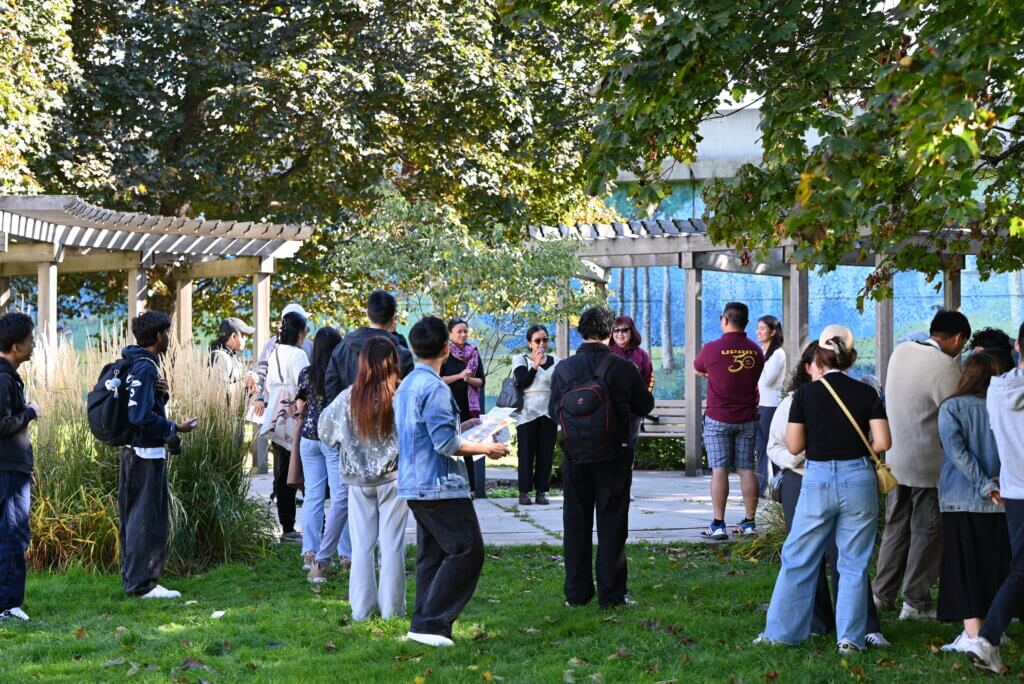
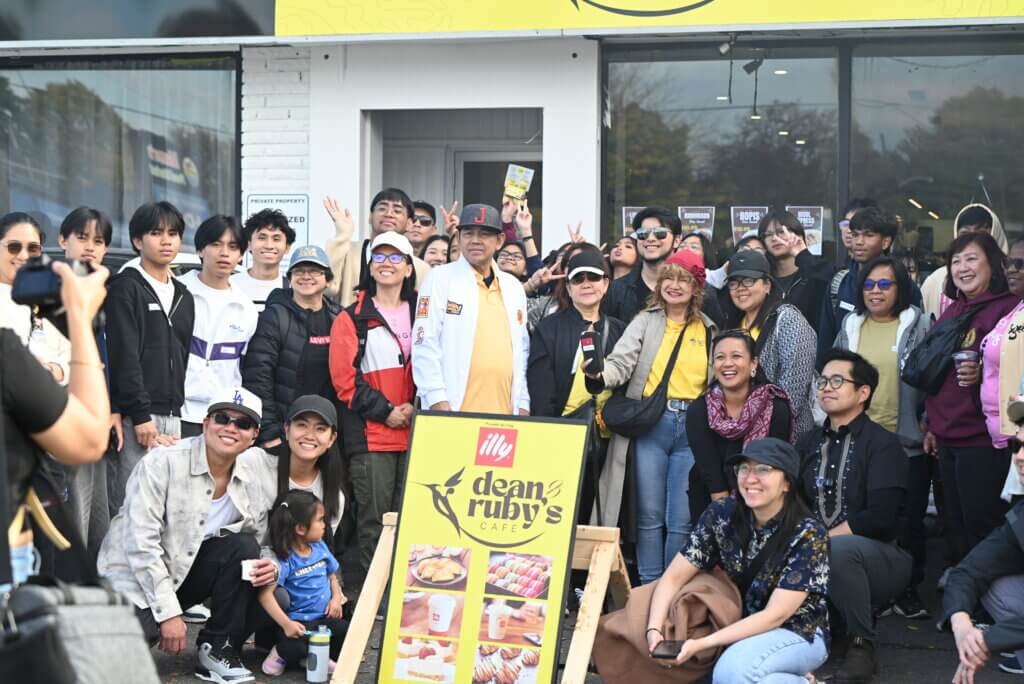
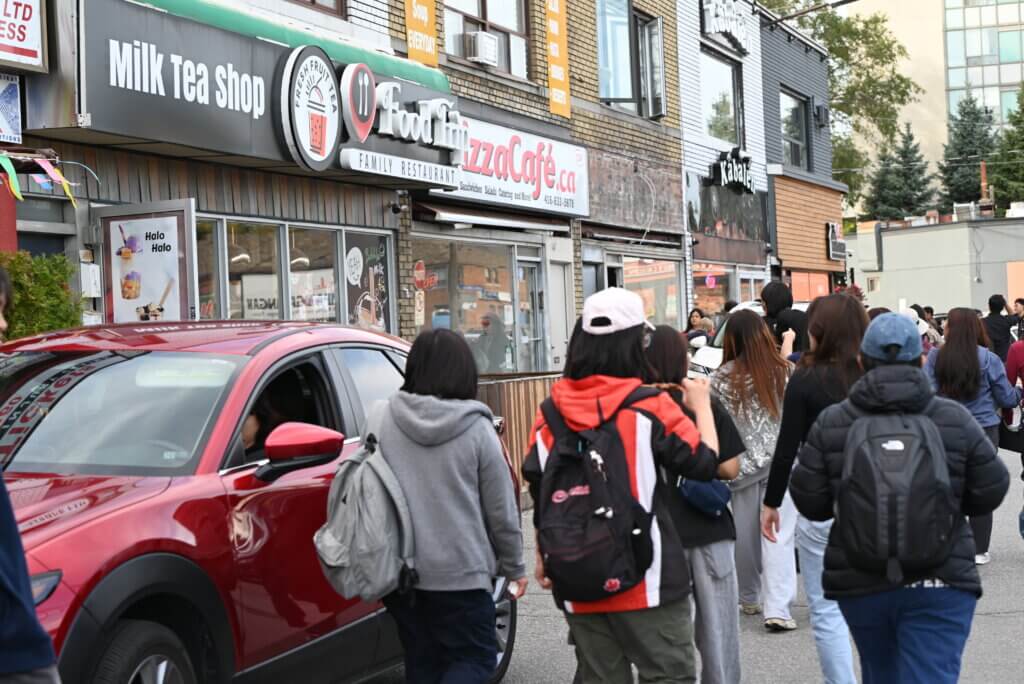
Participants at last year’s walking tour started the walk at Manila Garden, then at dean & ruby’s Cafe, and ended at Kabalen Restaurant. All photos by Yona M. Harvey
Diaz said the tour provides an opportunity to showcase the owner’s other nearby Kapampangan restaurants, Pampangueña and Bale Kapampangan.
“We want them to know that even though it’s one ownership, it’s still a different experience in each restaurant,” Diaz said.
“We want people to understand and appreciate that when they come to the area.”
For Diaz, the event demonstrates how Filipino-owned businesses can work together to strengthen the neighbourhood.
“It’s not just about competition,” she said. “It’s actually building a big community for Filipinos to experience the Philippines here in Toronto.”
Roldan said one reason the event continues to attract both Filipinos and non-Filipinos is its accessibility and ability to bring people together.
“Having a walking tour is sort of like a no-audition-required activity where you just show up,” she said. “It’s rain or shine, it’s going to happen.”
Organizers say attendance typically ranges from 30 to 50 participants.
As Little Manila continues to grow, they hope the tour will help visitors better understand the people, businesses and migration stories that have shaped the neighbourhood.
 Luis Miguel De Castro is a Changing Narratives Fund-Local Journalism Initiative reporter at Mabuhay Canada and a journalism graduate at Humber Polytechnic in Toronto. Originally from the Philippines, he is passionate about community storytelling, multimedia journalism, and amplifying Filipino voices through meaningful local coverage.