Easter in Canada is typically associated with joyful, family-friendly activities—chocolate egg hunts, brunches, spring-themed decorations, and perhaps a church service on Good Friday or Easter Sunday.
While the tone is often celebratory and light, Easter in the Philippines is deeply rooted in solemn Catholic traditions that transform entire communities during Semana Santa (Holy Week).
In the Philippines, Holy Week is observed with great reverence, blending religious rituals, communal gatherings, and symbolic reenactments that stretch from Palm Sunday to Easter Sunday.
Particularly in regions like Central Luzon, Rizal, Batangas, and the Visayas, it is one of the most anticipated and widely attended religious observances of the year.
Here are five major Filipino Easter traditions:
Penitensiya (Self-Flagellation and Crucifixions)
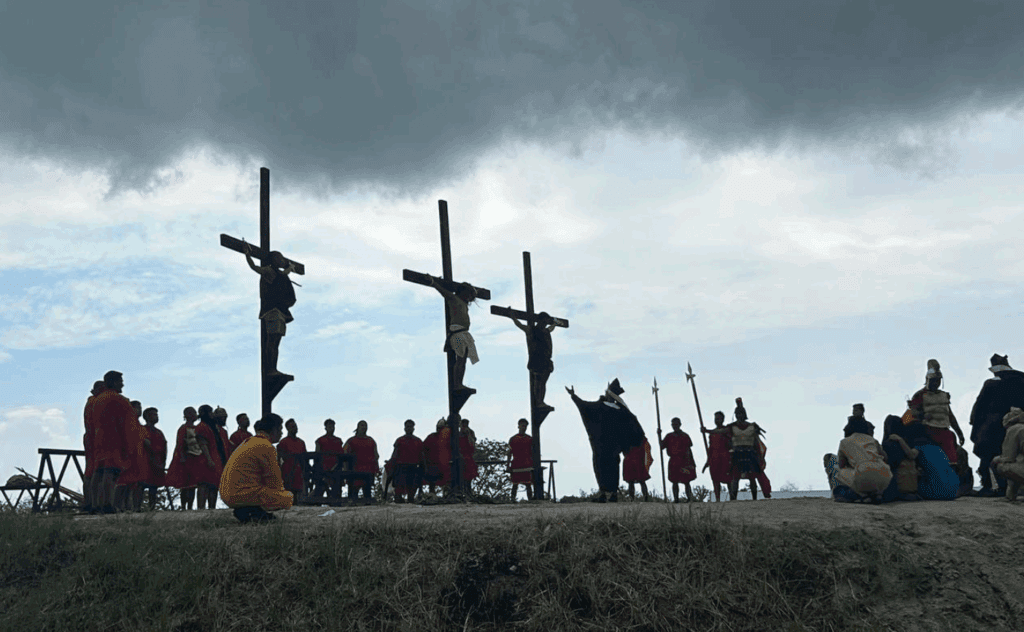
Most famously practiced in San Pedro Cutud, San Fernando, Pampanga, this tradition sees some male devotees voluntarily reenacting Christ’s suffering.
They walk barefoot through the streets while whipping their backs with bamboo flails, and in some cases, they are nailed to wooden crosses on Good Friday.
Though the Catholic Church does not officially condone this, many participants see it as a profound act of penance and personal devotion.
Senakulo (Passion Plays)
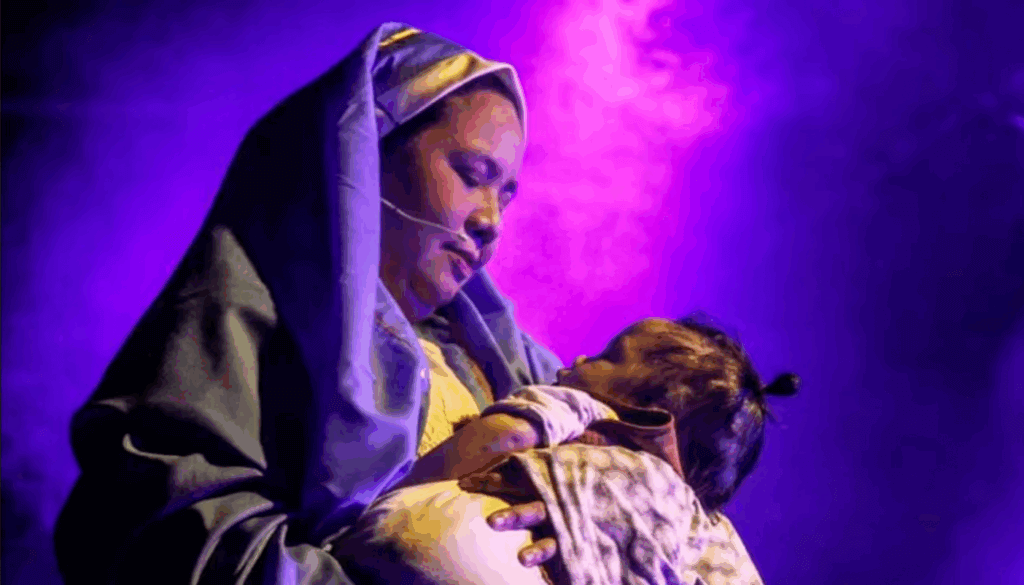
Outdoor theatrical reenactments of the Passion of Christ are common in towns such as Malolos (Bulacan) and Antipolo (Rizal).
Community members, dressed in period costumes, stage full-length performances that portray the life, death, and resurrection of Jesus.
These plays often take place in open areas like basketball courts or plazas and can run over several days.
Pabasa ng Pasyon (Chanting of the Passion)
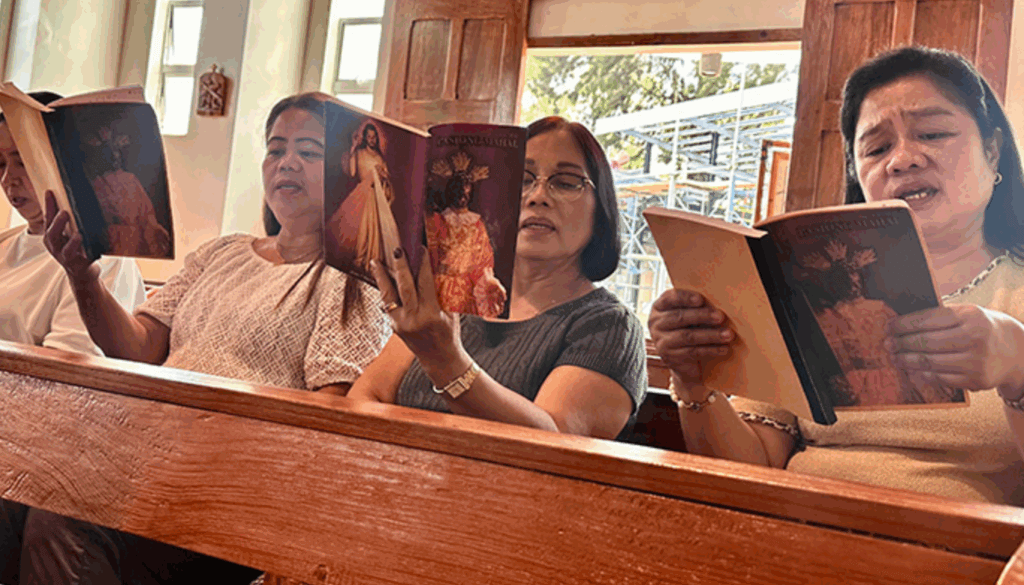
In provinces like Batangas, Laguna, and neighbourhoods in Quezon City, families and church groups gather to chant or sing the Pasyon—a lengthy, metered narrative of the life and crucifixion of Jesus, written in Tagalog verse.
This can last overnight or over multiple days, accompanied by candlelit altars and communal meals.
Salubong (Easter Sunday Dawn Encounter)
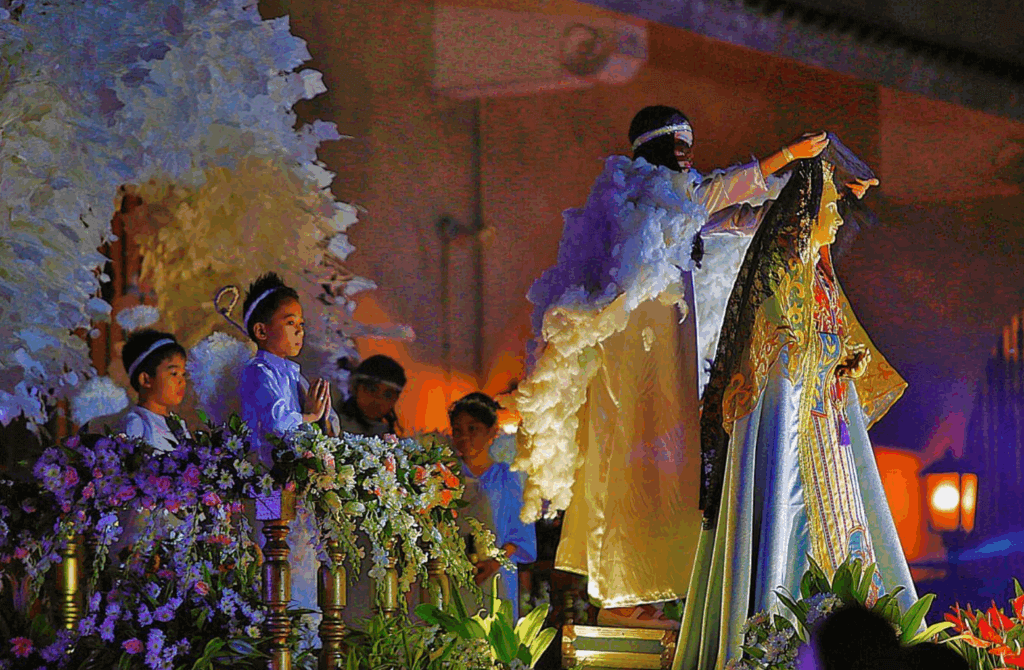
On Easter Sunday, towns and cities such as Marikina, Cebu City, and Davao host Salubong, a pre-dawn celebration of the Resurrection.
Two processions—one carrying a statue of the Risen Christ, the other of the mourning Virgin Mary—converge in a central plaza.
A child dressed as an angel is traditionally lowered from a platform to lift Mary’s black veil, symbolizing the end of mourning and the joy of Christ’s return.
Palaspas Processions (Palm Sunday)
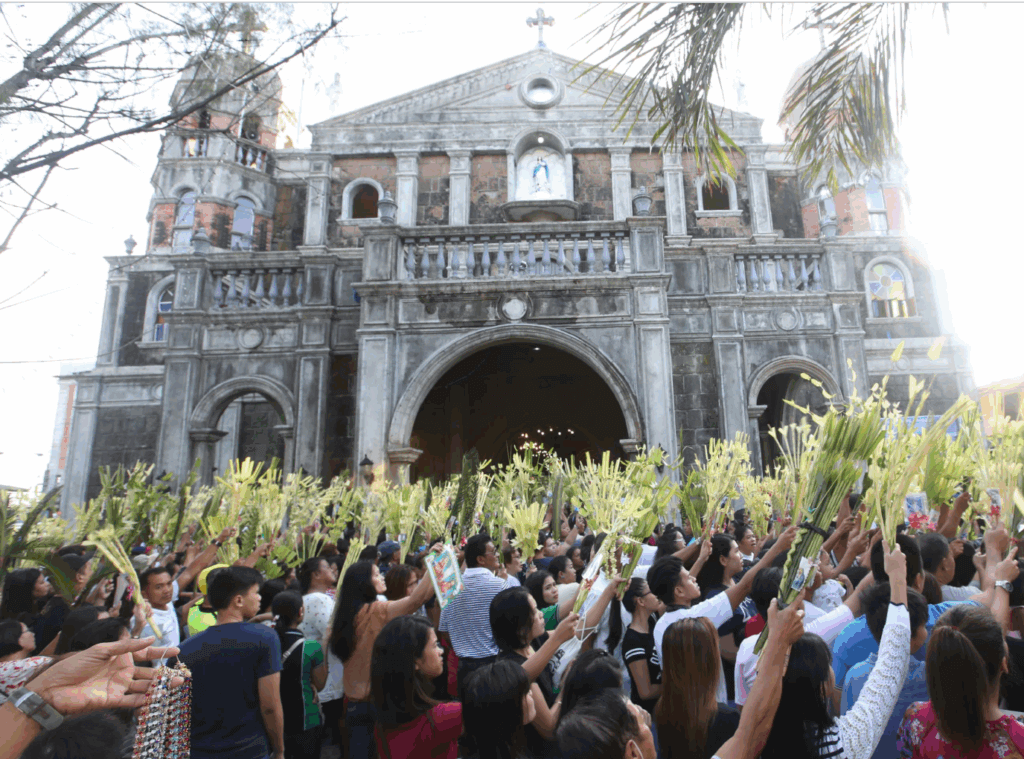
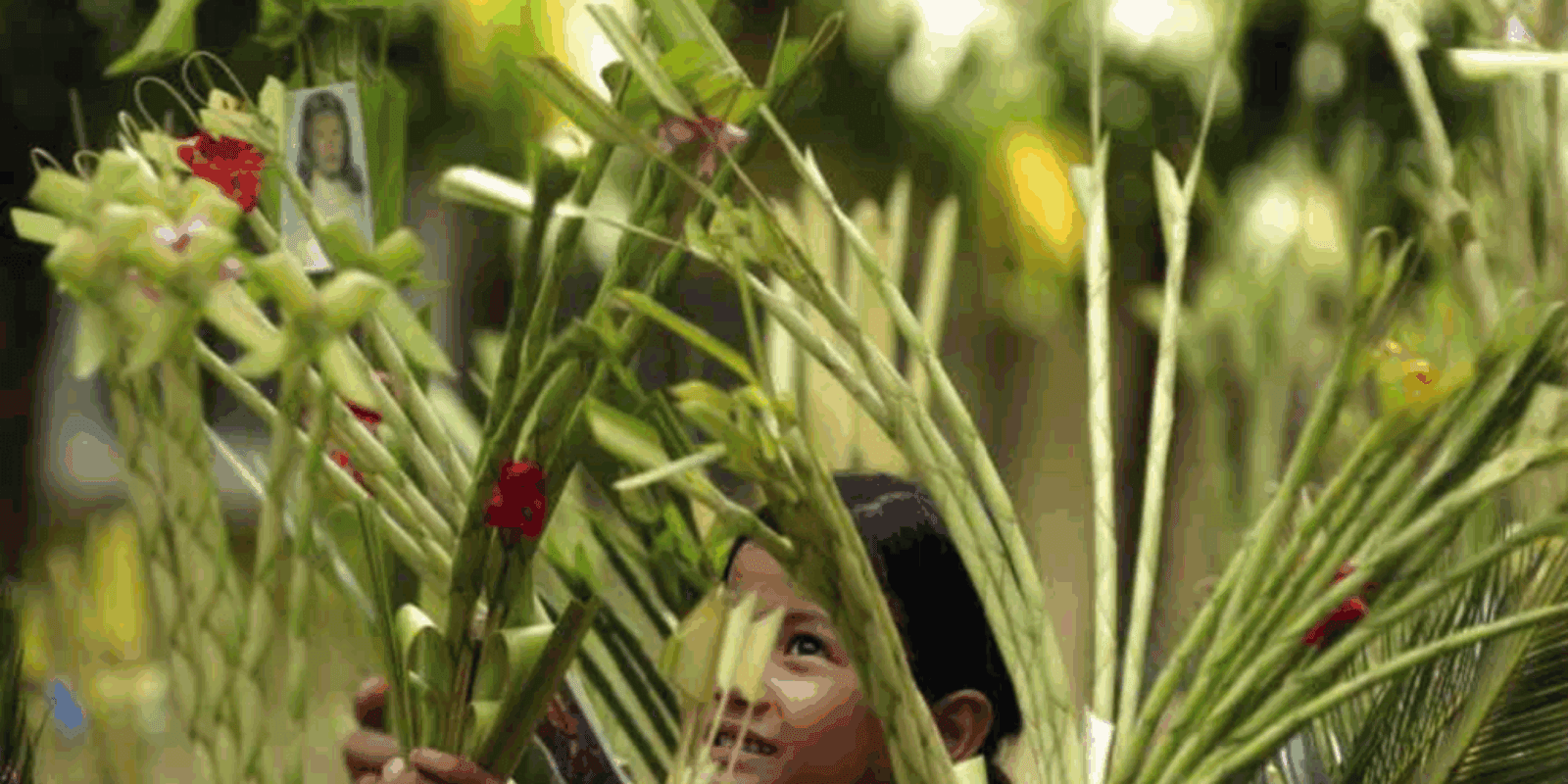
Holy Week begins with Palm Sunday, where churchgoers bring elaborately woven palaspas (palm fronds) to be blessed.
This commemorates Jesus’ entry into Jerusalem and is widely practiced in Manila, Palo (Leyte), and other parts of the country.
After Mass, the blessed palms are often displayed in homes as protection against misfortune.
These traditions offer a striking contrast to Canadian Easter practices.
While Canada leans into Easter’s themes of renewal through food, family, and springtime celebration, the Philippines presents a more immersive and communal form of religious reflection—marked by sacrifice, theatricality, and collective devotion.
Each tradition, from the somber chants of the Pasyon to the joy of the Salubong, reflects how deeply woven faith is into Filipino culture, especially during Holy Week.