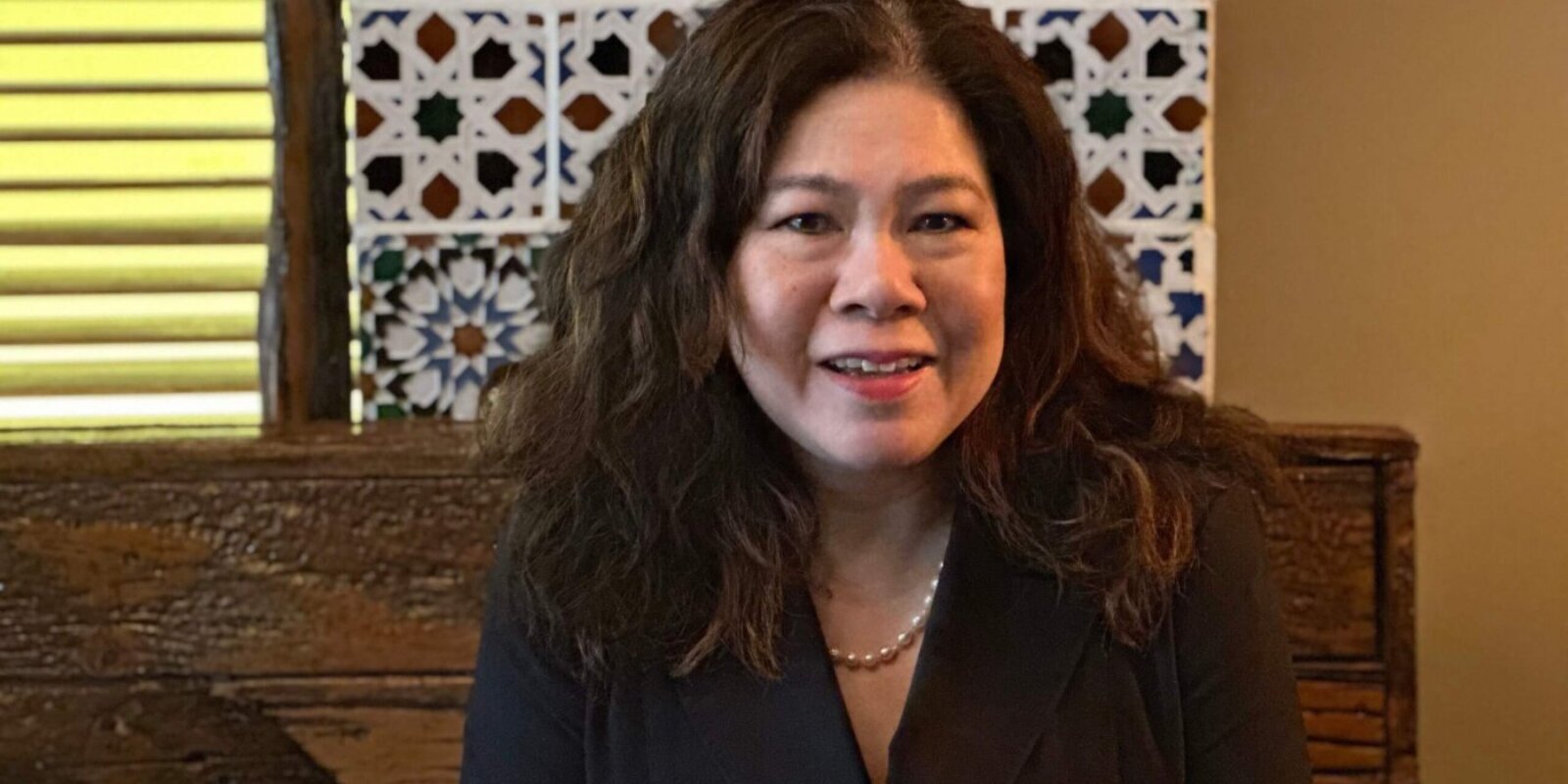
Filipina author Clarissa Trinidad Gonzalez was at work when the email arrived from her publicist at Dundurn Press: her debut novel “Celestina’s House” had been named to the 2026 CBC Reads Longlist.
“It was a pleasant surprise,” Gonzalez told Mabuhay Canada, still sounding stunned as she recalled the moment.
She’s quick to clarify the mechanics: her book is one of 15 that made it to the longlist, with the shortlist still to come later.
But even this first stage feels enormous: an early-year jolt of validation that her story has travelled far beyond the readers who first found it in Filipino-Canadian circles.
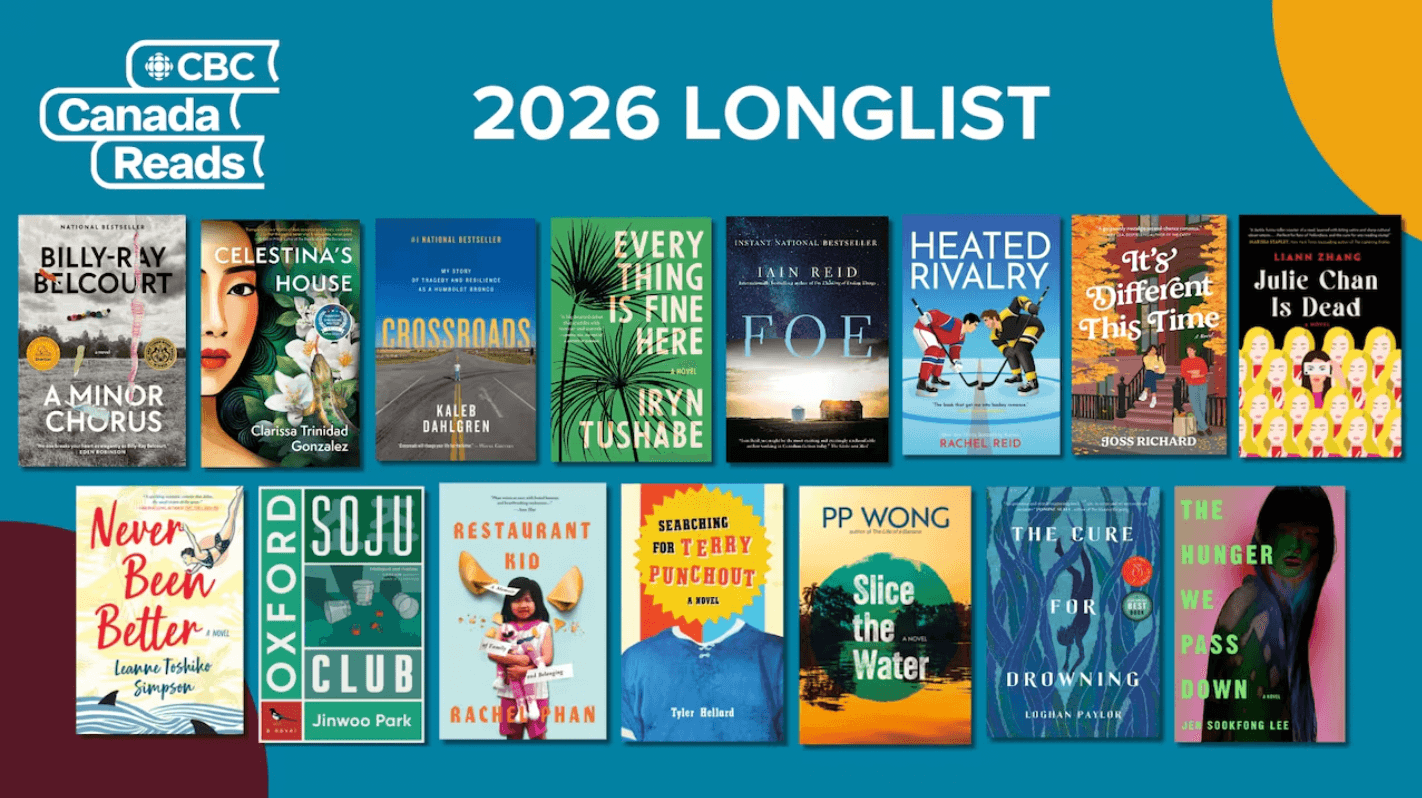
Gonzalez knows exactly what CBC Reads can mean.
She’s looked back at past contenders and winners—names like Michael Ondaatje—and feels the weight of being included in the same national conversation.
“To be even in the shadow… is quite the honour,” she said.
The longlist alone, she notes, is a “stamp of approval,” a form of free publicity that can introduce a book to Canadians across the country.
She’s already seeing it happen in real time: new people “came out of the woodwork,” including attendees from a recent event in Mississauga who found her afterward and connected on Instagram.
One of her biggest hopes is what that wider attention might do for how Canada sees the Philippines.
Too often, she says, the country is flattened into a single storyline—political turmoil, poverty, or natural calamity.
Those realities exist, yes, but they aren’t the whole truth.
Gonzalez wants readers to encounter “the richness and the beauty and the romance” of Filipino culture—its texture, its tenderness, and its complexity—through fiction, not headlines.
That complexity includes what she calls the Philippines’ deeply interwoven spiritual and material worlds.
In “Celestina’s House”, faith, superstition, and the unseen aren’t “genre elements” so much as everyday reality—saints and signs, prayers and answers, the sense of grace moving through ordinary life.
Canada, she observes, can be more secular and pragmatic.
Her hope isn’t to preach, but to invite: she wants readers to leave the book more open to “the mystery,” to the idea that life may hold more than what can be measured.
As for what comes next, Gonzalez is grounded—almost deliberately cautious.
She describes herself as a pessimist who keeps expectations in check: if nothing happens, she’s fine; if something wonderful happens, she’ll be overjoyed.
“You’re not writing for an award, you’re writing because there’s a story inside you that wants to be written.”
The shortlist is expected to be announced January 22, when five public figures will each choose a book to champion.
Until then, she’s focused on the work.
There are also whispers of a screen adaptation.
Gonzalez has met with “movie people,” and a couple of companies have expressed interest—one a Canadian-Asian company, another connection via a friend back home who’s moved into producing.
Nothing is signed, but she has imagined casting.
For the contrabida, she dreams of Spain’s Javier Bardem.
For the character Josemaria, she likes Filipino actor TJ Trinidad, who she says can play romantic, dark, and everything in between.
For Celestina, she’s searching for someone earthy and magnetic—more character-driven charisma than beauty-queen polish.
Meanwhile, Gonzalez is writing again: a short story with the bones of a novel, a dystopian gothic tale in a fantasy-leaning world.
She has sequel and prequel ideas for “Celestina’s House”, too—but for now, she’s letting that world rest.
Still, the longlist moment lingers: a reminder that a story rooted in Filipino ways of seeing can resonate widely.
“If it connects with someone,” she said, “that’s already a gift.”