From Tinikling to Team Spirit: Why the Philippines Pavilion at Carassauga Still Feels Like Home
For many Filipinos in the Greater Toronto Area (GTA), spring doesn’t quite feel complete without a trip to the Philippines Pavilion at Carassauga Festival of Cultures in Mississauga, held this year on May 23 and 24, 2026.
This vibrant festival celebrates multiculturalism, offering a unique opportunity to experience diverse cultures through food, entertainment, and interactive activities.
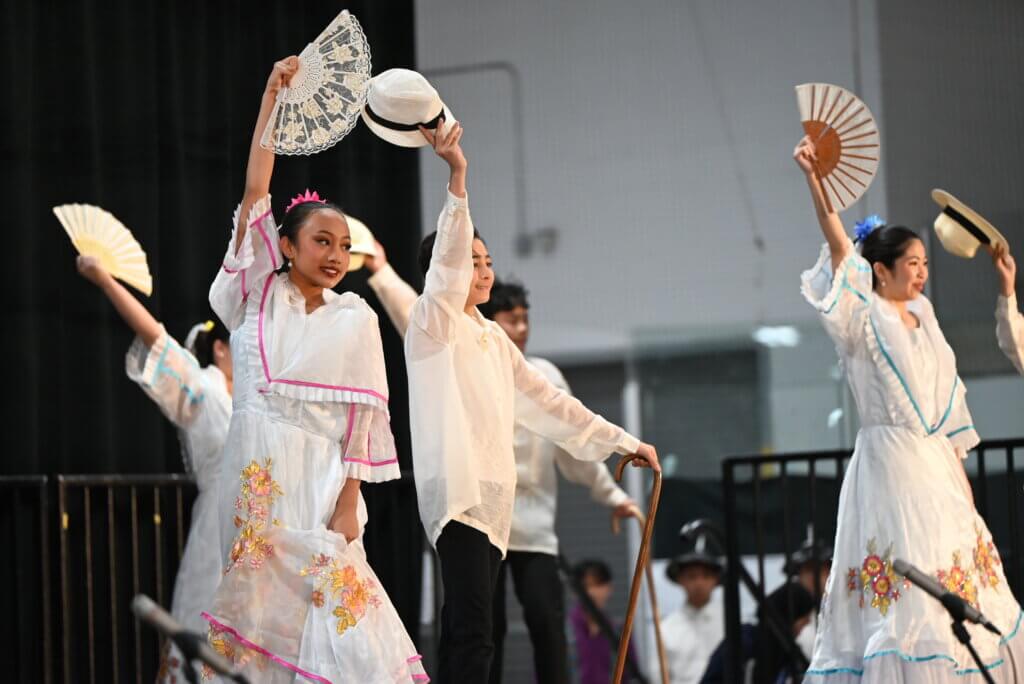
The smell of barbecue in the air, the sound of kulintang music, the swirl of Maria Clara dresses and colourful regional costumes: it’s the kind of event that instantly transports you back home, even if home is thousands of kilometres away.
And for the volunteers behind it all, this celebration is more than a weekend festival.
It’s decades of hard work, cultural pride, and community-building.
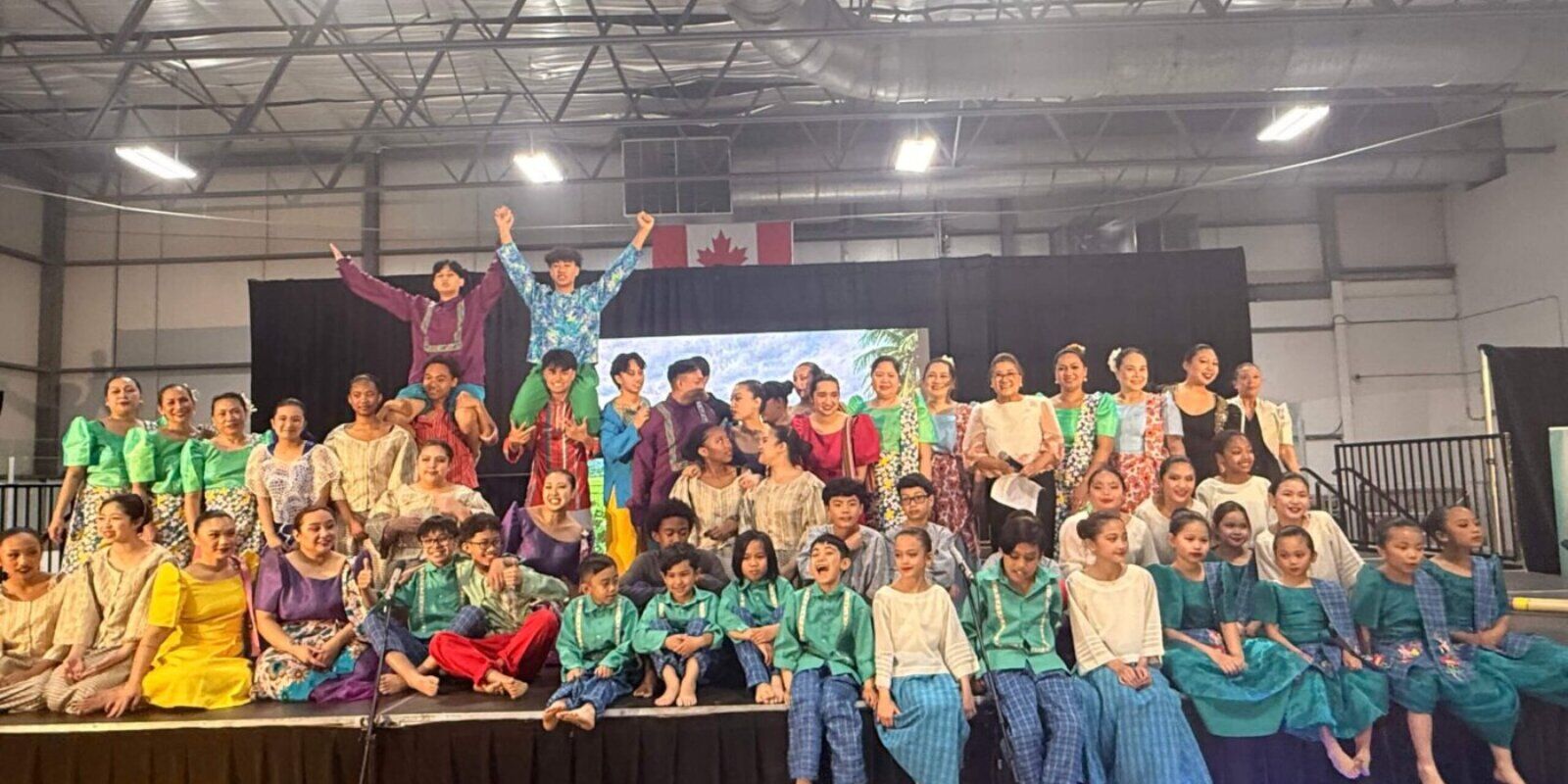
Hosted by the Culture Philippines of Ontario (CPO), the Philippines Pavilion has been part of Carassauga since 1985.
The organization has been proudly sharing Filipino culture at the festival for over 40 years.
Founded the same year, CPO is a non-profit, youth-centred organization dedicated to preserving Filipino heritage through dance, music and performing arts for young Filipino-Canadians.
Over the years, the pavilion has consistently drawn large crowds and even earned awards including Carassauga’s “Most Outstanding Pavilion” and “People’s Choice Award.”
This year, visitors to the Philippine Pavilion at the Paramount Fine Foods Centre were treated to something a little different.
“We included the young to the seniors, basically,” said Luz Del Rosario, executive production director of CPO.
That means everyone had a chance to shine in the spotlight from children in traditional folk dances to seniors participating in line dancing.
One of the biggest changes this year was the addition of sports-themed performances, inspired by Carassauga’s overall festival theme.
“This year, because the theme is FIFA, it’s sports-related,” Del Rosario explained.
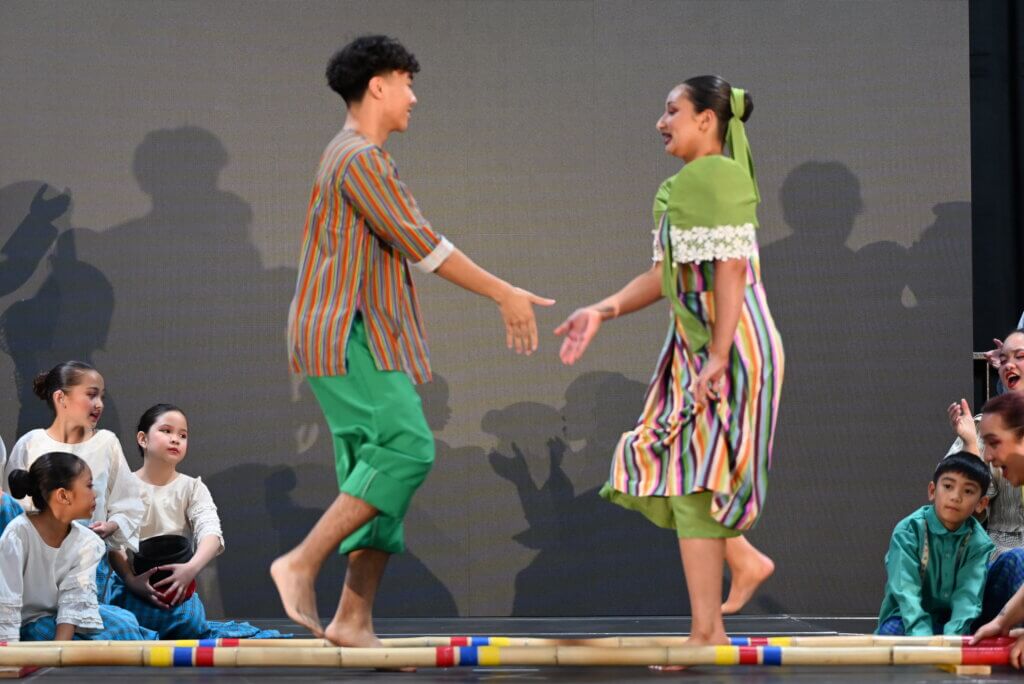
While past years often highlighted harvest festivals or iconic cultural showcases such as Sinulog, this year’s programming leaned into athletic-inspired performances while still staying rooted in Filipino tradition.
An arnis demonstration was added to the entertainment line-up.
Behind every graceful dance movement was months of preparation and a lot of volunteer dedication.
“We have about 50-plus dancers, all volunteers,” Del Rosario shared.
And the number of performances?
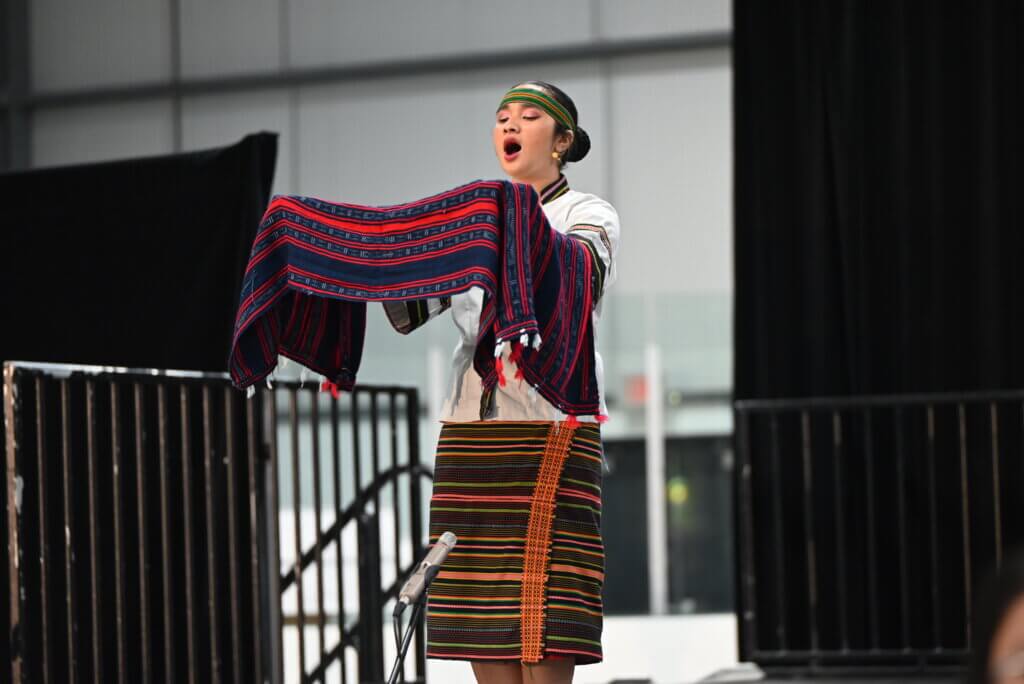
“We’re showing about 50 dances from the Cordillera, Maria Clara, Lumad, Mindanao, and rural (areas),” she said.
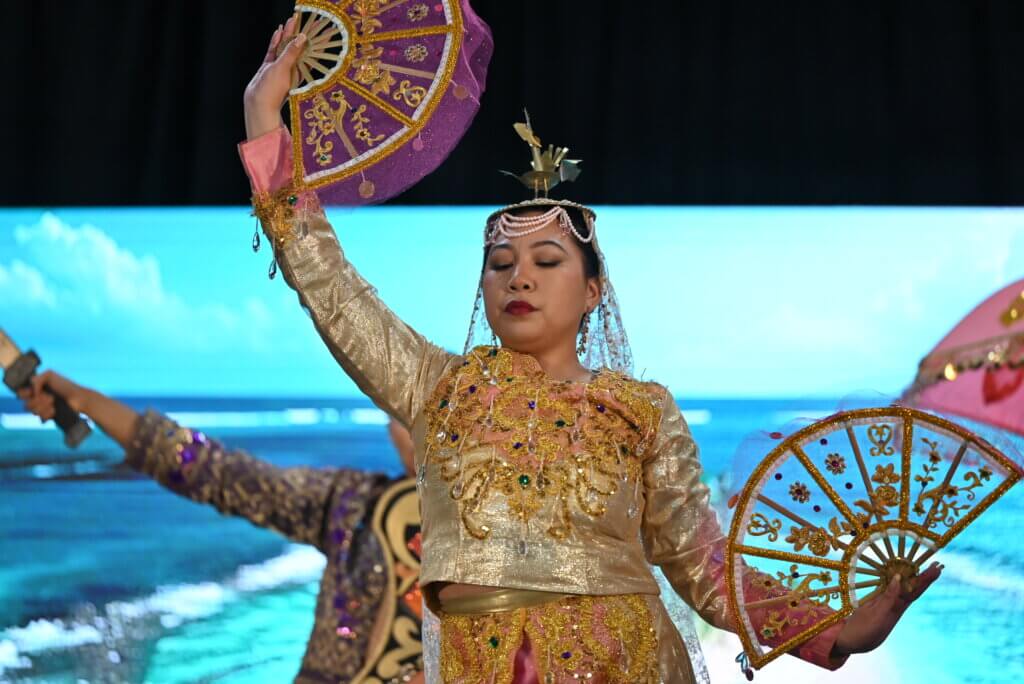
Many of the performers, especially the children, began rehearsing as early as October.
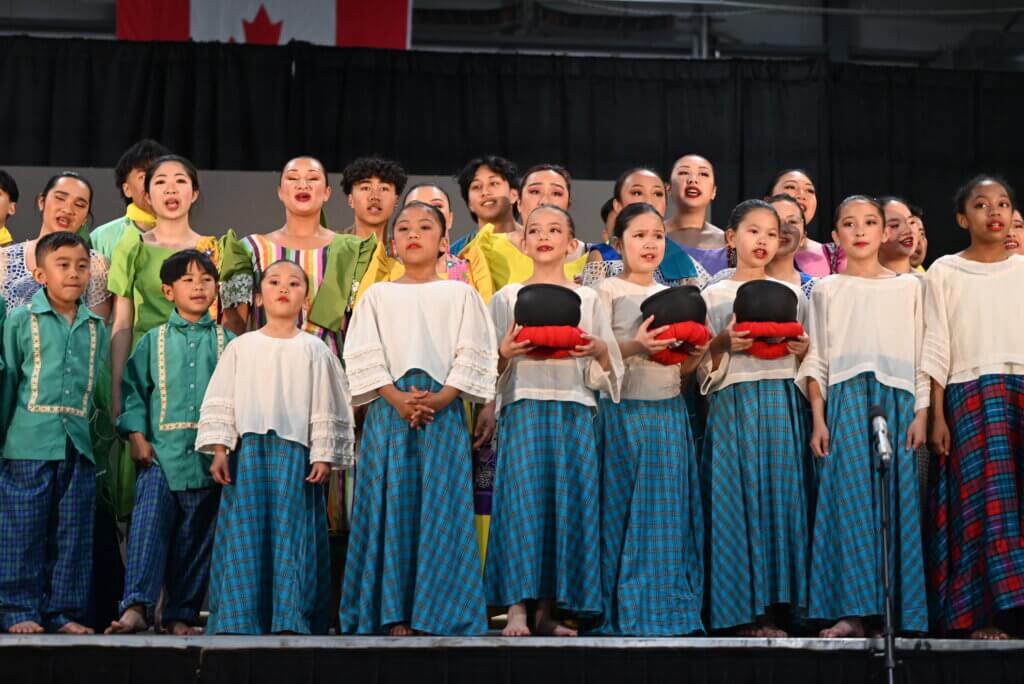
“We did two new dances for the little kids,” she said. “The tiklos and binayoga.”
Binayoga, featuring children balancing pots, quickly became a crowd favourite.
“(Tiklos is) a fast, happy dance,” Del Rosario said. “So they’re very excited.”
But if you think Carassauga’s Philippine Pavilion is only about food, think again.
Sure, people flock to Filipino staples and snacks, but Del Rosario said visitors often leave surprised by how immersive the cultural experience feels.
“Carassauga is not just (about) food,” she said. “You also have the culture.”
She recalled one influencer visitor who had attended many festivals before but was especially impressed by the Philippine Pavilion.
“She was so happy,” Del Rosario shared. “She said, ‘I’ve been to so many festivals and yours is perfect. It’s very nice.’”
And perhaps that’s what keeps people coming back.
For over four decades, the Philippines Pavilion has been more than entertainment.
It has been a bridge between generations, a stage for young Filipino-Canadians to reconnect with their roots, and an invitation for non-Filipinos to experience the richness of Filipino culture firsthand.
At Carassauga, the Philippines isn’t just visited, it’s felt.
And after 40 years, CPO continues to prove that culture, when lovingly passed on, never goes out of style.