Editorial
Disasters and calamities have often struck the Philippines. We live in a typhoon belt, and we have lots of active volcanoes.
I was living in Baguio City in the Philippines when Mount Pinatubo erupted, sending ash falling on my umbrella in a city about four hours away.
I also experienced a 7.8 magnitude earthquake in Baguio City, levelling the cinema I was about to watch a movie in, toppling buildings and killing hundreds of people.
On my last day in Manila, just before I was about to leave for Canada, torrential rain flooded the city, and I waded in knee-deep waters on the street.
So yes, we Filipinos have had our share of disasters and calamities in the Philippines. But we’re resilient.
These disasters happened in our own country, and we’ve accepted that. It happens OVER THERE. A lot of times.
We came to Canada for a better way of life, for the universal health care, for the safety and security of this country.
(We certainly did not come for the weather.)
But no matter how long we’ve been living here, we still miss our homeland.
So we gather together every chance we get, at Filipino festivals and events, to be reminded of our home, to forget, even just for a day, that beyond the festival’s borders, we are in a foreign country.
A country that’s been so welcoming, nevertheless, and a country that has adopted us as their own.
Still, we congregate to celebrate our food, our culture, our dances, our songs. For a few blissful hours, we are represented.
We are in familiar territory inside our festivals. We hear our dialects spoken, we see people with the same skin colour as ours, we smell food we crave eating.
We devour our delectable adobo, our tasty barbecues, our sticky, sweet turons and the incomparable halo-halo.
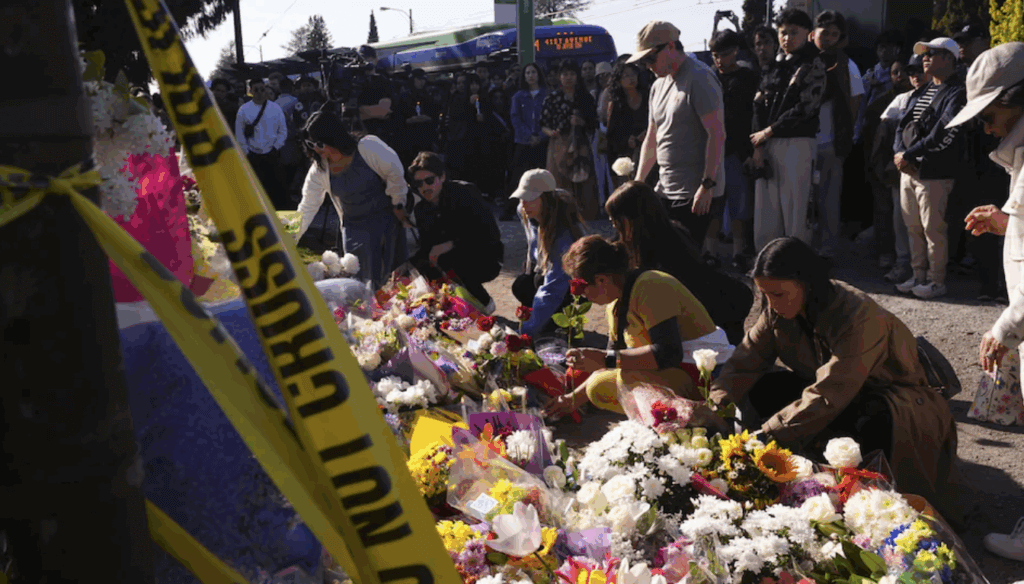
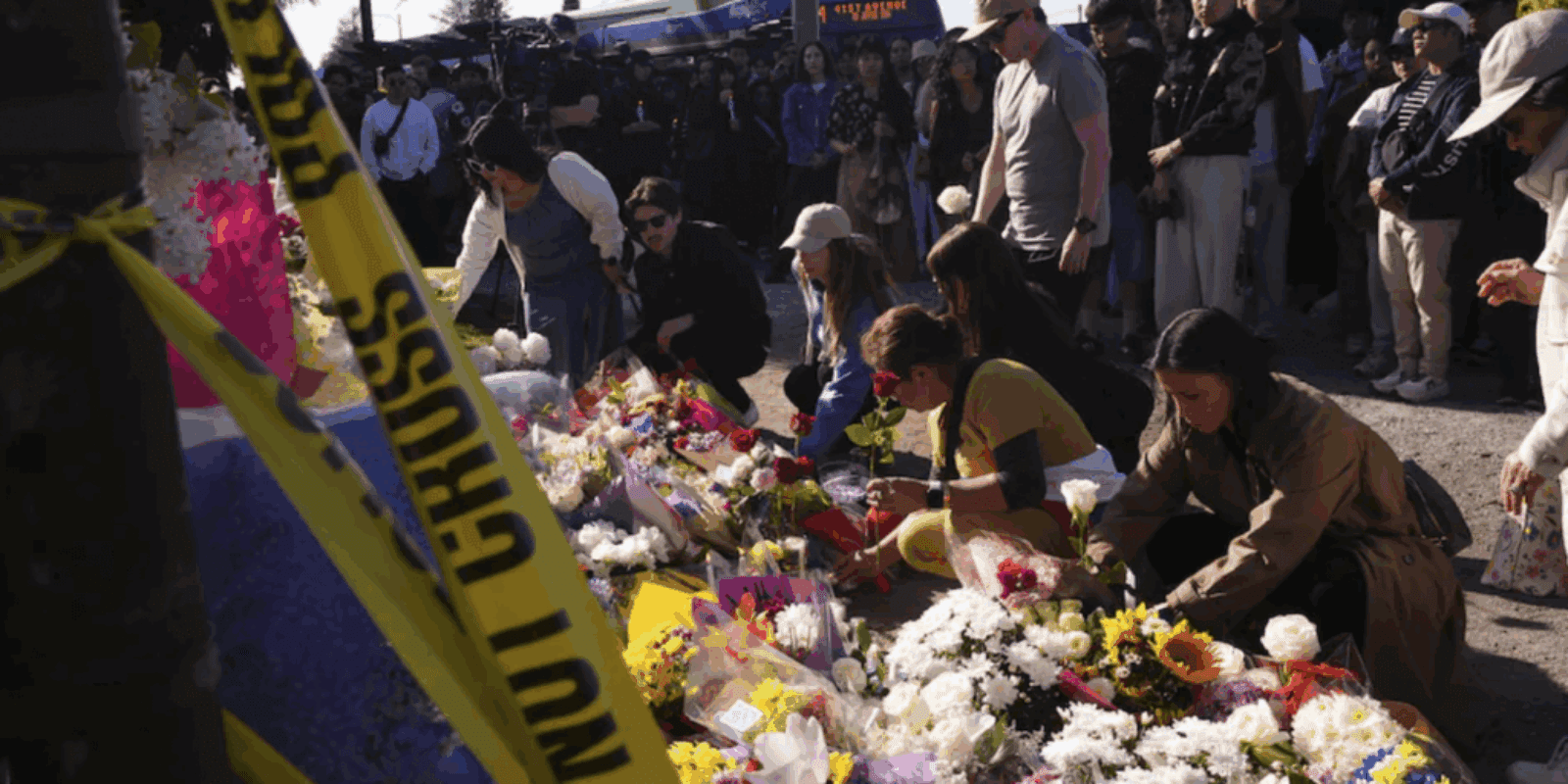
This is what the Filipino community in Vancouver was doing on Saturday, April 26, 2025: celebrating Lapu-Lapu, one of our fallen heroes in the Philippines.
Then the unthinkable happened: a 30-year-old man rammed his vehicle into a crowd of festival goers.
As a Filipina, I watched in horror as news about the Vancouver tragedy played onscreen.
Eleven people dead so far, many more wounded and in critical condition.
A fellow Filipino journalist, Kris Pangilinan, who was at the festival, described people flying in the air as high as a food truck.
It was like a bowling ball smashing into bowling pins, he said, about the ramming incident.
This much we know so far: that the driver tried to escape but was detained, and caught by some people who saw the whole incident. They did not let him get away.
We also know from reports that the accused, Kai-Ji Adam Lo, had a history of mental health challenges, and was known to police.
With one cowardly act, the carefully cultivated safe haven we had in Canada was shattered.
This tragedy hit us differently than any calamity we’ve had in the Philippines.
We expected earthquakes, typhoons, a chaotic political environment even.
But not this. Not in Canada.
We thought we were safe here. This was our sanctuary, and it’s been breached.
Could this have been prevented?
I’d like to think yes.
I’d like to think that due diligence was practiced at load-out, perhaps a visible car pass given to vendors so security could distinguish them from any other person driving in.
Perhaps there’s a piece of equipment installed on the ground that could stop vehicles in their tracks from going beyond 10 km.
Or am I watching too many episodes of The Rookie?
As gruesome as this tragedy was, this wasn’t the first ramming incident—the Christmas Market in Germany as recently as last December comes to mind.
Festival organizers, the police, the city, should have been prepared for all kinds of risk.
Our fun-loving, karaoke-singing and chacha-dancing nature at festivals has been forever changed.
We are resilient, yes, and we will recover from this. We won’t stop attending festivals and celebrating our culture.
But we will always be glancing back, ever on the alert for the sound of a revving engine, even as the smell of barbecues waft through the air.