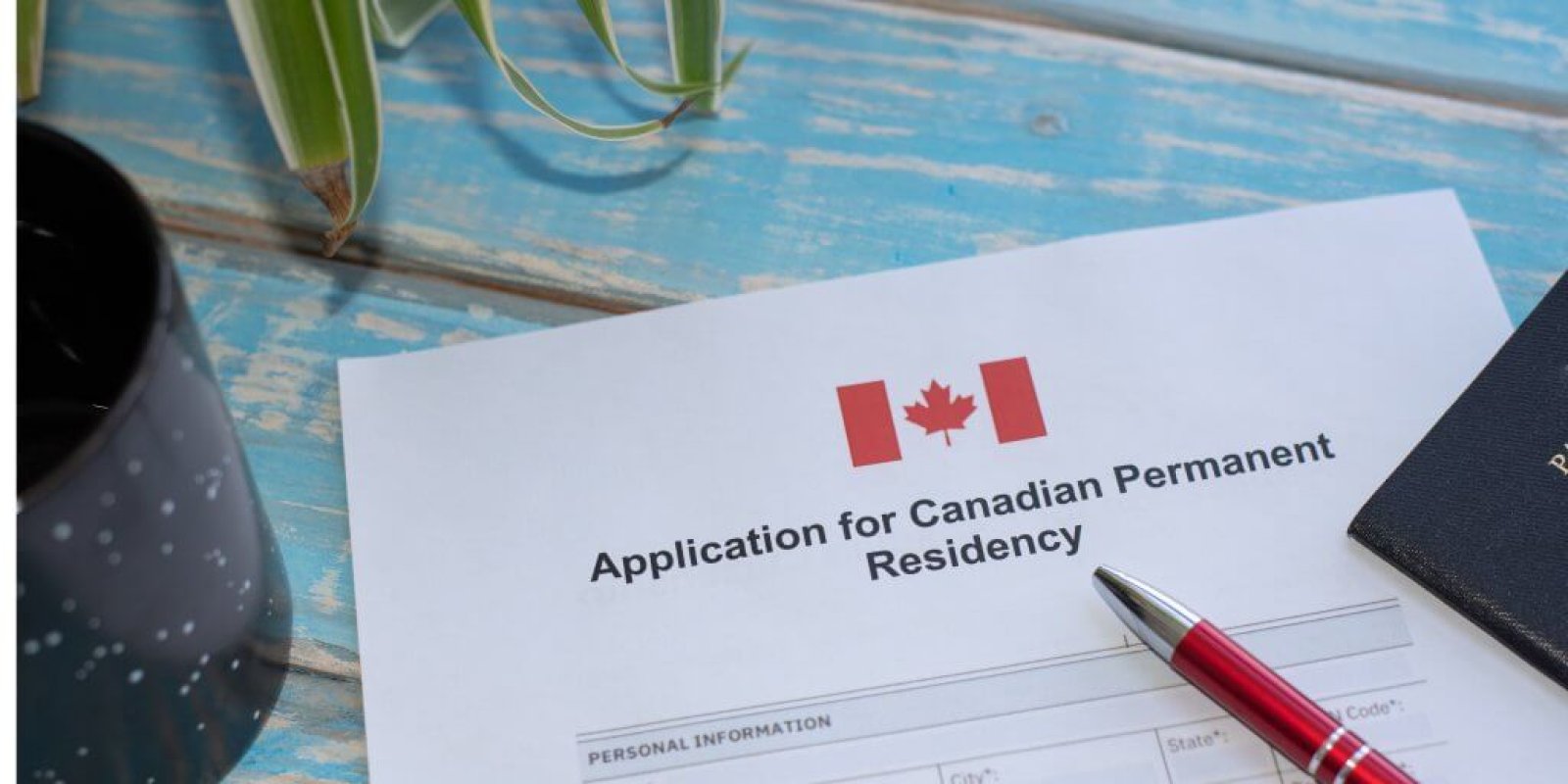
New federal immigration measures could help up to 200,000 people in Canada, including Filipino workers, international graduates and families, obtain permanent residency by the end of 2027.
The measures, announced as part of the federal government’s immigration plans, aim to give more people already living in Canada an opportunity to make the country their permanent home.
For Filipinos who have spent years building careers and families in Canada, the announcement could bring them closer to securing their future.
However, Fanny Calucag, a regulated Canadian immigration consultant, said the measures do not create a new immigration pathway.
“Actually, this policy is not a stand-alone application pathway,” Calucag said. “Instead, it will add PR spaces for temporary foreign workers who are already living and working in Canada.”
The initiative includes up to 100,000 spaces for economic immigration applicants and another 100,000 for people applying through specified humanitarian and family immigration pathways.
While the announcement has raised hopes among temporary residents, Calucag said meeting immigration requirements will remain essential.

New opportunities for Filipino workers
Calucag said Filipino workers in health care, caregiving and skilled trades could be among those who benefit from the additional permanent residency opportunities.
She highlighted caregivers who submitted applications through immigration programs that have since closed to new applicants, some of whom have been waiting for updates since 2025.
For these workers, the measures could offer progress after months of uncertainty.
International graduates holding post-graduation work permits may also benefit if they qualify through existing economic immigration programs.
Calucag said Canadian work experience, education and language proficiency will continue to play important roles in determining an applicant’s eligibility.
She also encouraged Filipinos to consider learning French, which can strengthen their immigration profiles and provide access to additional opportunities.
“Even now, they should start learning French. Some Filipinos working in hospitality are already studying French because it’s highly competitive,” Calucag said.
For those already working toward permanent residency, the announcement offers another reason to continue building their qualifications.
Language barriers remain a challenge
Despite the potential opportunities, Calucag said language proficiency continues to prevent some Filipino immigrants from qualifying for permanent residency.
She recalled helping a former teacher from the Philippines who took an English proficiency examination eight times but struggled to achieve the required scores.
The applicant’s experience showed how even educated and experienced professionals can face difficulties meeting Canada’s immigration requirements.
Calucag said Filipino applicants often have strong educational backgrounds, but their language test results can limit their options.
She encouraged those planning to apply for permanent residency to prepare for recognized language examinations, such as IELTS or CELPIP, and obtain educational credential assessments when required.
“Make sure you have your language test results, either IELTS or CELPIP, and have your educational credentials assessed through WES or ICAS,” Calucag said.
Although the requirements can be challenging, improving language scores and gaining additional work experience could strengthen an applicant’s chances of qualifying through existing immigration programs.
Keeping legal status while waiting
Another concern for temporary residents is maintaining their ability to live and work in Canada while pursuing permanent residency.
Calucag warned that the new measures do not automatically extend work permits or immigration status.
“Maintain your legal status while you’re here in Canada,” she said.
She encouraged workers whose permits are approaching expiration to explore their options early and speak with their employers about possible extensions.
This is particularly important for workers holding employer-specific permits, whose ability to continue working may depend on their employer’s support and eligibility.
The announcement could create more opportunities for permanent residency, but applicants must still follow the rules for staying and working legally in Canada.
For those already eligible under existing immigration programs, maintaining valid status and preparing the necessary documents could help them take advantage of future opportunities.
A hopeful step toward permanent residency
Although the federal government has outlined the additional permanent residency measures, Calucag said complete eligibility criteria have yet to be released.
She advised Filipinos to monitor official Immigration, Refugees and Citizenship Canada announcements for further information about eligible occupations, language requirements and education standards.
Calucag acknowledged that not everyone will qualify, but believes the initiative could make a meaningful difference for many temporary residents.
“It will help a lot, but there are still many people who won’t be able to avail it,” she said.
For Filipino workers and international graduates who have already established their lives in Canada, the announcement represents a potential opportunity to move closer to permanent residency.
Rather than waiting for the final rules, Calucag encouraged applicants to use the coming months to strengthen their qualifications and understand the immigration pathways available to them.
“Well, they should watch closely for any forthcoming announcement detailing the specific occupation needs, language and education minimums,” she said.
While questions remain about how the measures will be implemented, they offer renewed hope to Filipinos who have spent years working, studying and contributing to Canadian communities while pursuing a more permanent future.
 Luis Miguel De Castro is a Changing Narratives Fund-Local Journalism Initiative reporter at Mabuhay Canada and a journalism graduate at Humber Polytechnic in Toronto. Originally from the Philippines, he is passionate about community storytelling, multimedia journalism, and amplifying Filipino voices through meaningful local coverage.