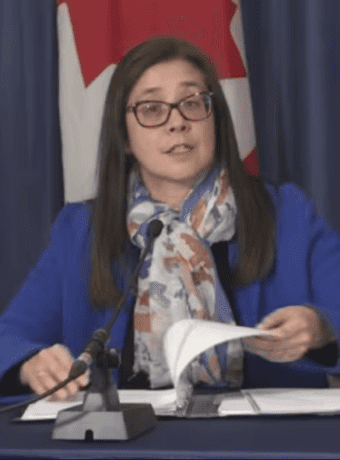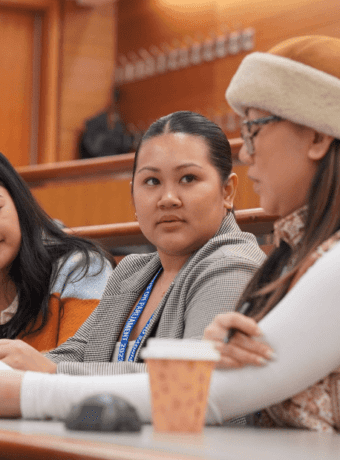
What does it take for Filipinos to pursue an academic career in Canada? Two academics offer their thoughtful insights for fellow kababayans.
When University of Waterloo assistant professor Kimberly Lopez first met PhD candidate Giana Tomas in the fall of 2021, Giana had just arrived from Halifax to begin a years-long journey to earn her doctorate in Ontario.
In this reflective conversation, the two explore the push and pull factors that shape why Filipinos pursue higher education particularly in the social sciences and humanities, while drawing on their own paths through research, academia, and the professoriate.
Their discussion also offers thoughtful insight for fellow kababayans considering scholarly work in academia.
What encouraged you to apply for your PhD?
Giana: I wanted to change the world.
I felt that there were things that I still wanted to learn.
I left my masters feeling like there could be other answers to my question.
The work that our people at the university and our faculty were producing—I was really drawn to that and wanted to be a part of that space to learn.
Kim: I didn’t really have people around me who had been through that process yet.
I didn’t have any friends who were academics or mentors who had their PhDs.
I fell into it haphazardly and didn’t really know about the experience until I was in it myself.
What is it like when you find community or people who lift you up and encourage you?
Giana: It feels very validating.
When I started my doctorate, that was what felt like community for me.
My classmates and my mentors are friends. It helped me recognize the systemic harm imposed on me by [social systems and structures].
I don’t want other aspiring Filipino academics to go through [their degrees] like it’s not there.
What values, beliefs, and practices do you prioritize in a mentoring relationship?
Kim: I think that academic relationship is so formative because it’s conveying to students how you navigate the culture of academia, with all of its spoken and unspoken rules and performatives.
You spend a lot of time together and not just during the regular 9 to 5.
You’re in new environments, traveling to conferences, speaking with new people from different disciplinary circles, in the classroom teaching others, etc.
In an academic relationship, I value honesty, humility, humour, curiosity, and a willingness to try and take risks.
It’s okay to mess up, it’s how we all learn.
From your experience, what steps does a Filipino newcomer take to become a professor in Canada? What do you want to do with your PhD?
Giana: It would depend on the education one already has prior to coming to Canada.
When I came here, I was already an undergrad, so I completed all my post-secondary (bachelors and masters degrees) before applying to a PhD program.
Getting into the university system is the first step, although there are also systemic barriers to be aware of.
For Philippine-trained professionals who already have a Master’s degree, they might still need to ‘match’ their credentials to that of whatever the institution is looking for, whether as a continuing grad student (Master’s or PhD), or as a faculty member.
If they already have a PhD before coming to Canada, they would likely be considered an internationally trained candidate.
Many Canadian institutions prioritize hiring permanent residents or citizens, so barriers to employment exist at every level.
With my PhD, I want to be a professor.
How do you practice resistance (e.g., against tokenism, burn out) in the academy? And how would you encourage others to not be afraid to practice resistance?
Kim: No one wants to be tokenized, propped up or sold out to others as a marker of diversity in a historically, and presently, very white institution.
You are different on purpose and are important and valued for, not only your identity, but the ways your identity enables you to offer something different than status quo.
What does being Filipino/a/x/ in the academy mean to you?
Kim: There’s pride in being Filipino in the academy.
There are certain things that we possess that are innate to our culture that makes us strong.
We are people who work through adversity, not in a toxic resilience type of way, but in a way that grounds us.
There’s so much we can leverage from our communities: our communities will show up for us as we struggle to want more for ourselves.
As Filipinos/as/x, we’re few and far between at the moment, but there’s so much we can offer the Academy to transform it for the better.
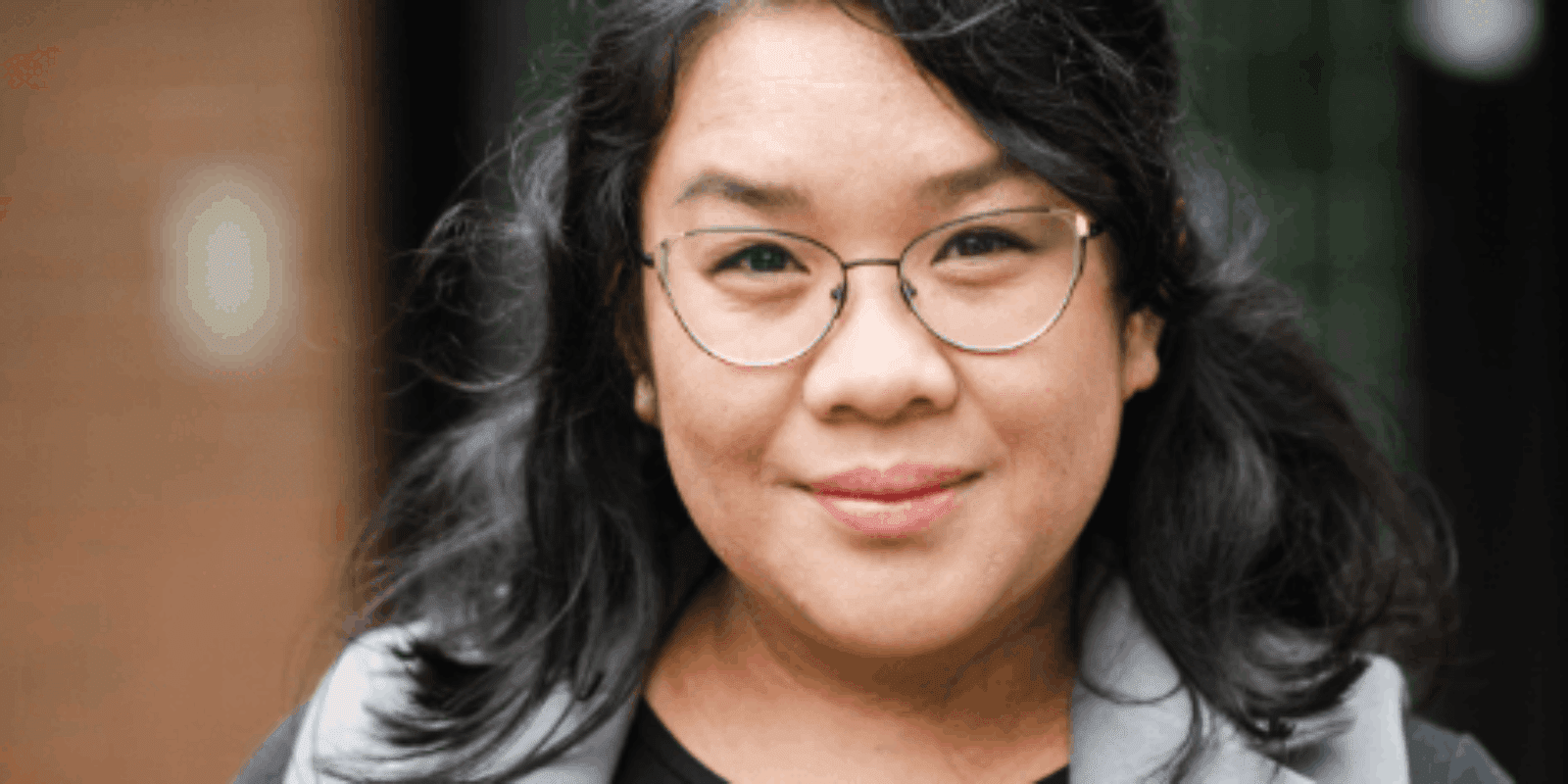
 Giana Tomas is a PhD Candidate in her final year of Doctoral Studies at the University of Waterloo’s Faculty of Health.
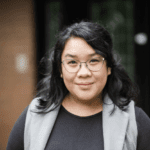 Kimberly J. Lopez works as an Associate Professor in Recreation and Leisure Studies, in the Faculty of Health at the University of Waterloo.