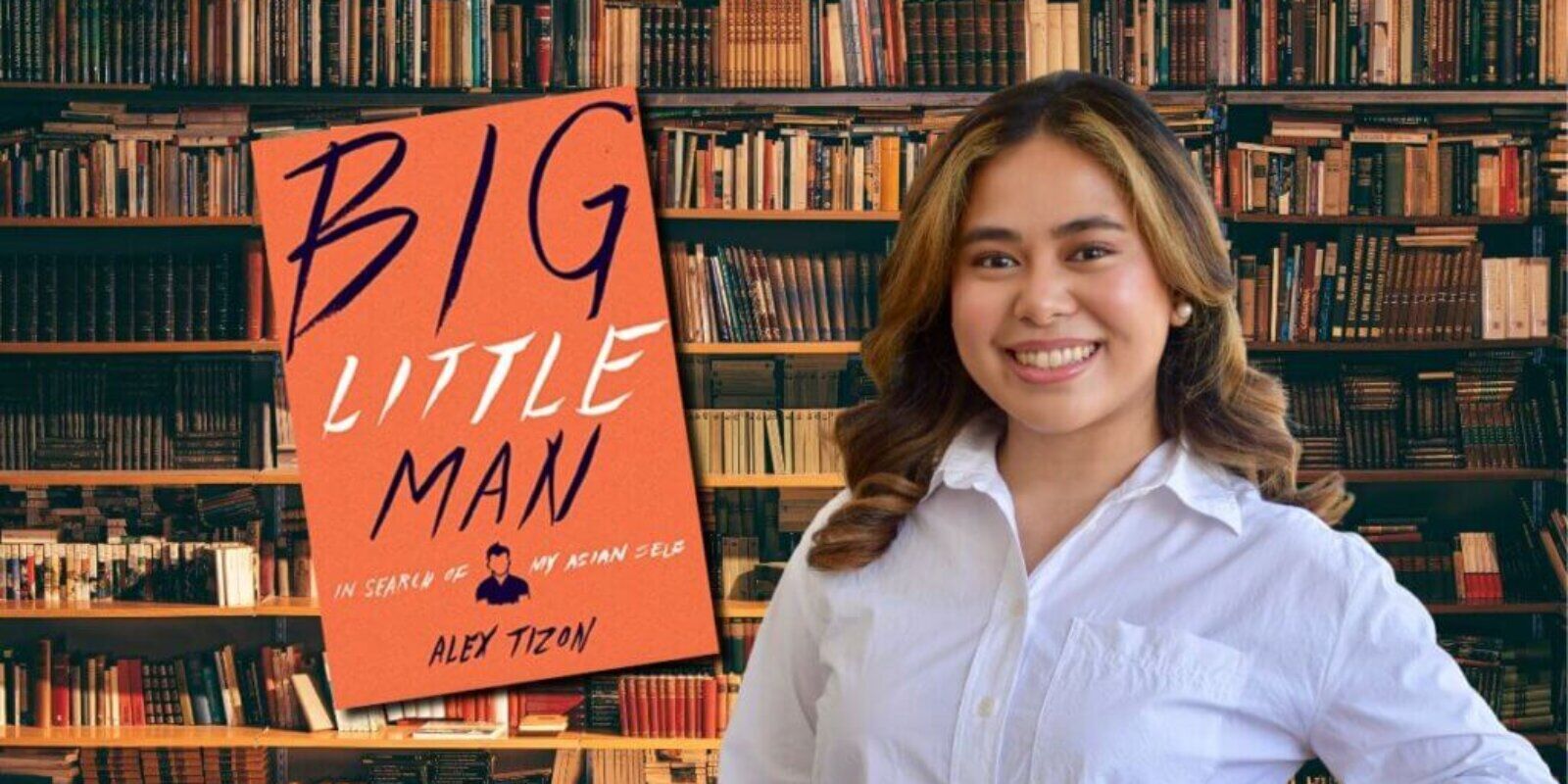
Book Review: What ‘Big Little Man: In Search of My Asian Self’ by the late Pulitzer-winner Filipino author Alex Tizon taught me about my Filipino culture.
By Giana Tomas
As a researcher, I have been reading a lot about what many members of the Philippine diaspora in North America experience: navigating identity shifts, desiring to belong, and trying to maintain connections to a ‘home’ and culture.
Reading ‘Big Little Man: In Search of My Asian Self’, written by the late Alex Tizon, taught me more about myself and my Filipino culture.
Tizon, a Pulitzer-prize winning Filipino-American journalist, died in his sleep at age 57.
Tizon’s book captured many topics that I, a first-generation Filipina-Canadian on Turtle Island, can relate to.
Reflecting on his personal experiences, Tizon described what it was like to walk in his shoes as a Filipino living in the United States.
What stood out to me was Tizon’s ability to talk about racism, discrimination, and exclusion.
These are topics that many find difficult to engage in, in a lighthearted, yet serious manner.
This book was effective in showing how one can use personal stories as a window for better understanding and even exposing systemic issues that many people of colour and members of diasporas experience.
This is particularly important for me as I continue to journey towards cultural self-(re)discovery as a Filipina, but also as a Filipina aspiring to become an academic.
I share the following valuable reflections I gained from reading this book:
Searching for Myself
I was also searching for my ‘Filipino self’ alongside Tizon.
Reading his stories about ‘needing’ to explain his cultural heritage at school, and at social and romantic settings was relatable.
Like Alex, I know what it’s like to feel like I didn’t belong or that I had to ‘earn’ my belonging.
I found comfort in knowing that another person had gone through similar experiences.
Honouring my Roots
I was inspired to acknowledge and honour the path that my kin have forged to not only survive, but also thrive, in the Philippines and beyond those borders.
I thought about my lolos (grandfathers) and lolas (grandmothers) who lived in the Philippines during tumultuous political times.
I also thought about my relatives and my own parents who took their chances to live in a different country.
Reading this book reminded me that relocation and migration are not easy; these are life changes and experiences worth acknowledging and honouring.
Finding Footing
I walked away with one last reflection as I finished reading this book.
As cheesy as it sounds, this book helped me realize that being Filipina is my superpower.
I may not always feel like I belong everywhere I go.
I recognize systemic injustice exists and I can still allow myself to find pride in my heritage, culture, and skin at the same time.
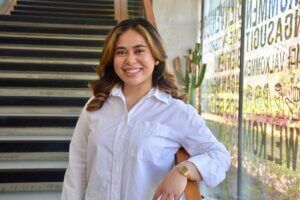 Giana Tomas is a learner, writer, community partner, and scholar who advocates for wellness of migrant and diasporic communities. Born and raised in Manila, Philippines, she is dedicated to learning and sharing stories about how individuals and families from the Philippines draw connections to ‘home’ when they migrate. To connect with Giana, visit @giana_tomas on Instagram.