With files from Edwin C. Mercurio
There’s nothing more frustrating than arriving in Canada as an international student or as a Filipino newcomer and not being able to afford to buy a home, rent an apartment or even find a place to stay.
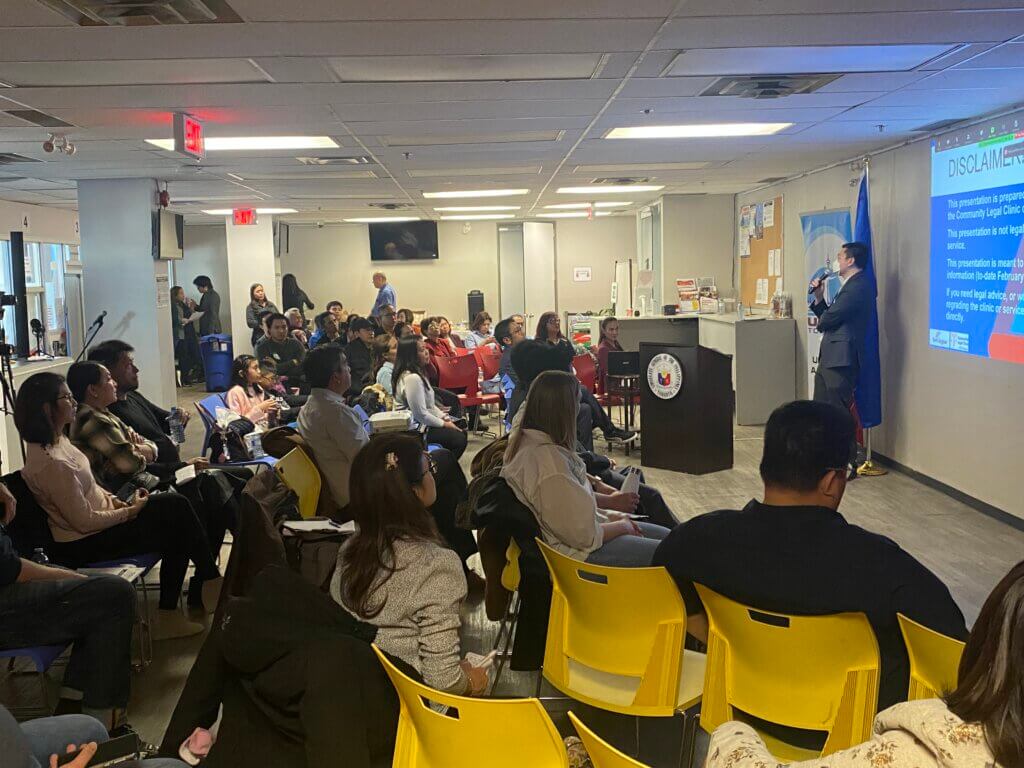
“In recent years, many Toronto homes have become more and more expensive,” Toronto Mayor Olivia Chow said at a housing forum on Saturday, Feb. 3, 2024 hosted by the University of the Philippines Alumni Association of Toronto in partnership with the Philippine Consulate General in Toronto.
The mayor said that her top priority is to build housing—65,000 rental homes starting in the fall—so that Toronto can be a welcoming and affordable place to live.
“We’re improving protections for renters. From fighting illegal evictions, to asking landlords to fix broken utilities, the City is working hard to keep people housed,” Chow said.
Here are the top 6 take-aways from the housing forum:
1. Find newcomer settlement agencies
There are plenty of newcomer settlement agencies all over Canada which aim to help with housing needs and other newcomer challenges.
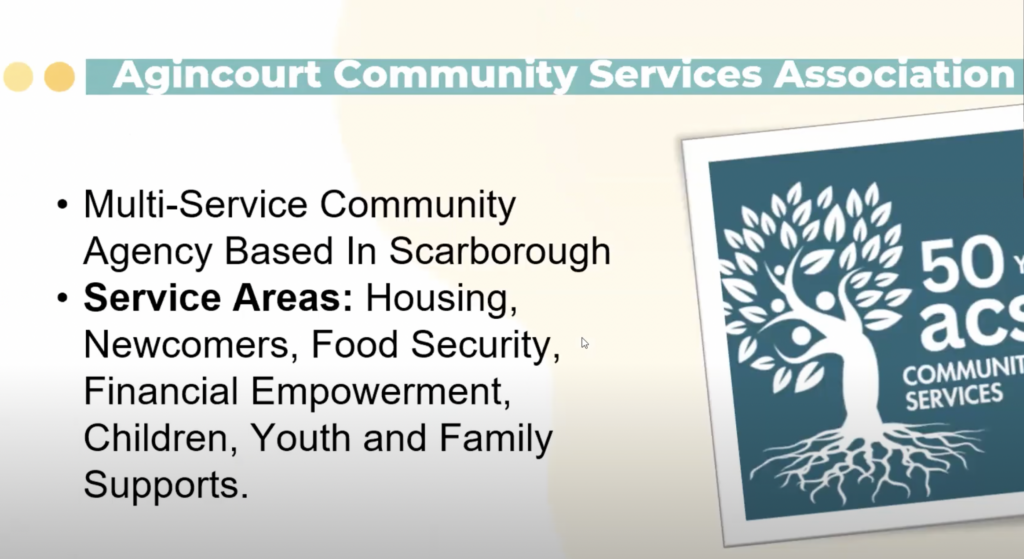
The Agincourt Community Services Association, for example, offers programs such as Housing Hub, which provides access to safe and stable housing; Homelessness Prevention Services, which provides support in stabilizing housing situations; and Housing Focused Client Supports, which helps those who are exiting homelessness to have housing stability.
2. Get to know Housing Benefits
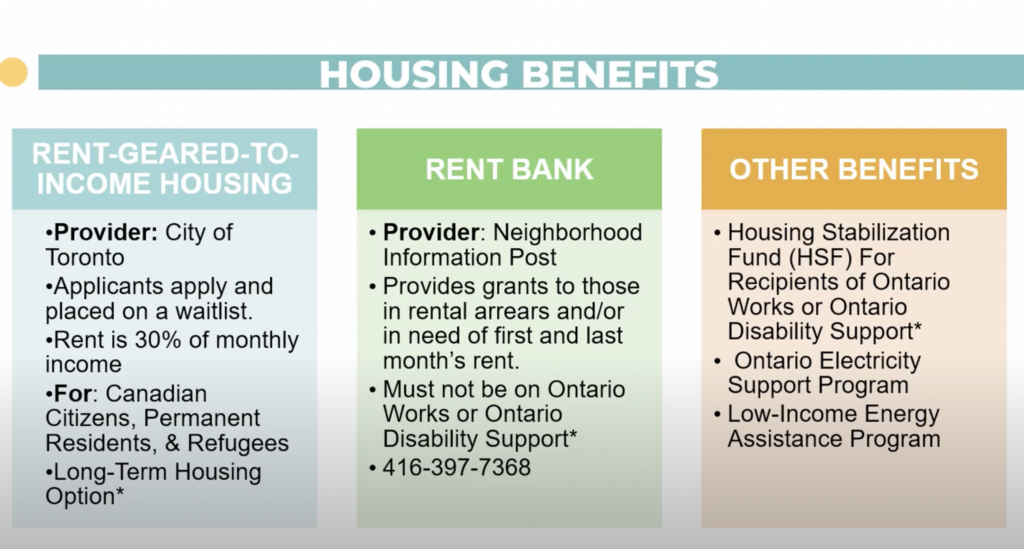
If you’re having trouble coming up with a deposit for your first and last month’s rent—a common requirement when looking for a place to rent—find out where the “Rent Bank” is in your area.
The Rent Bank provides grants for those struggling with paying their rent or those in need of a rental deposit.
In Toronto, the number to call is (416) 397-7368, but you must NOT be on Disability Support or on Ontario Works Support to qualify.
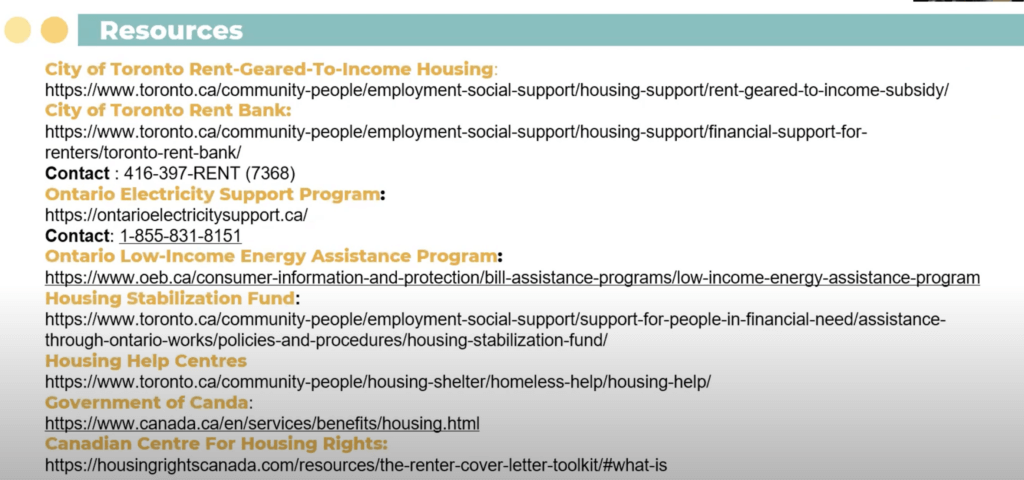
Other housing benefits include rent-geared-to-income housing, where your rent is only 30 per cent of your monthly income.
Apply early, as the waitlist can be lengthy for this program.
3. Work on Getting a Credit History
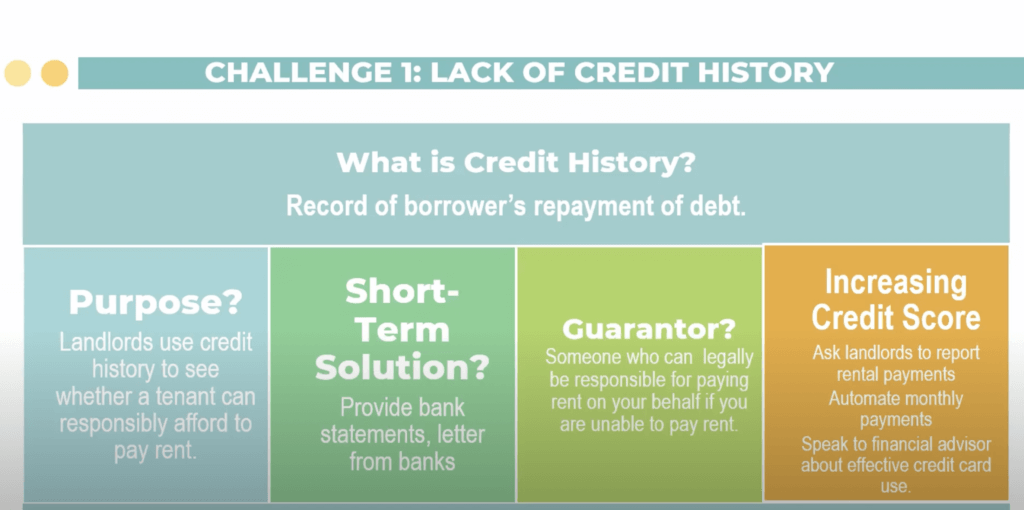
One of the major challenges for newcomers in Canada is the lack of credit history.
Without a credit history, landlords are hesitant to rent to newcomers, and financial institutions are wary of lending money to newcomers to buy their first home.
You may have to wait a few months, but one of the things you can do to show landlords that you are trustworthy is to provide at least six months of bank statements showing you are capable of paying rent or a mortgage, or you can look for a guarantor.
4. Write a Renter Cover Letter
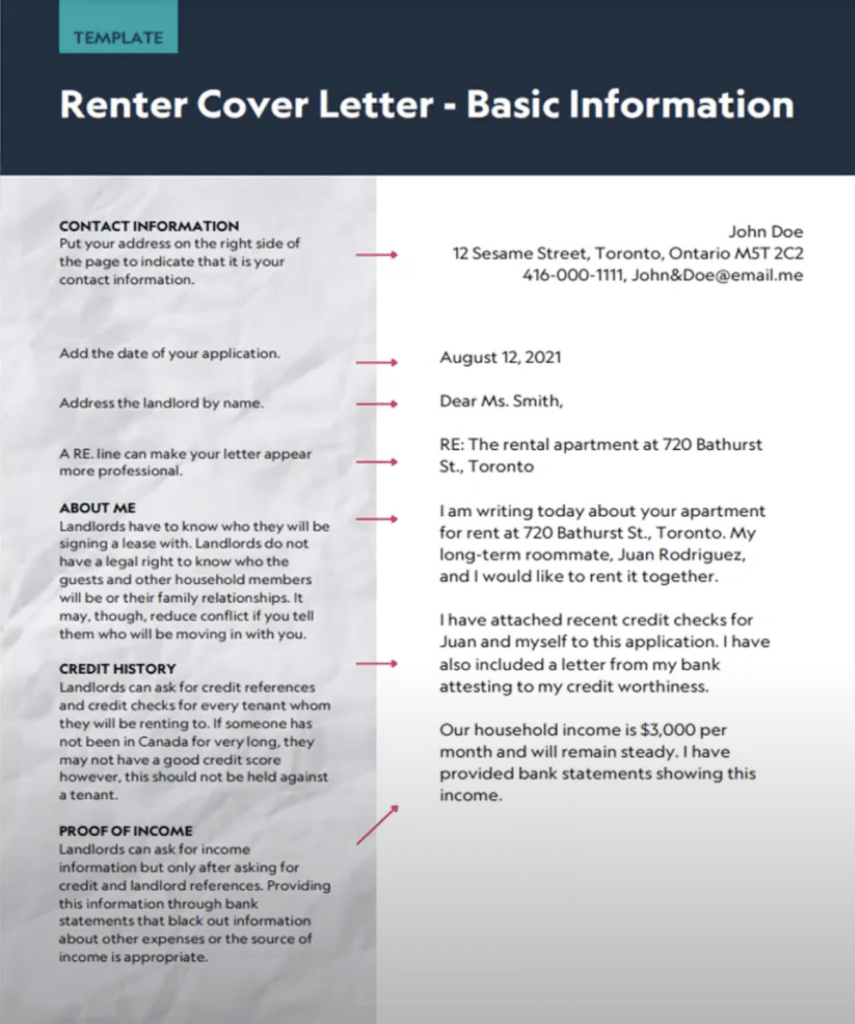
You craft your resume with care when applying for a job, don’t you?
In today’s competitive housing and rental market, stand out from other applicants by crafting a Renter Cover Letter.
Include a credit history and proof of income to impress your potential landlord.
5. Explore Other Housing Options
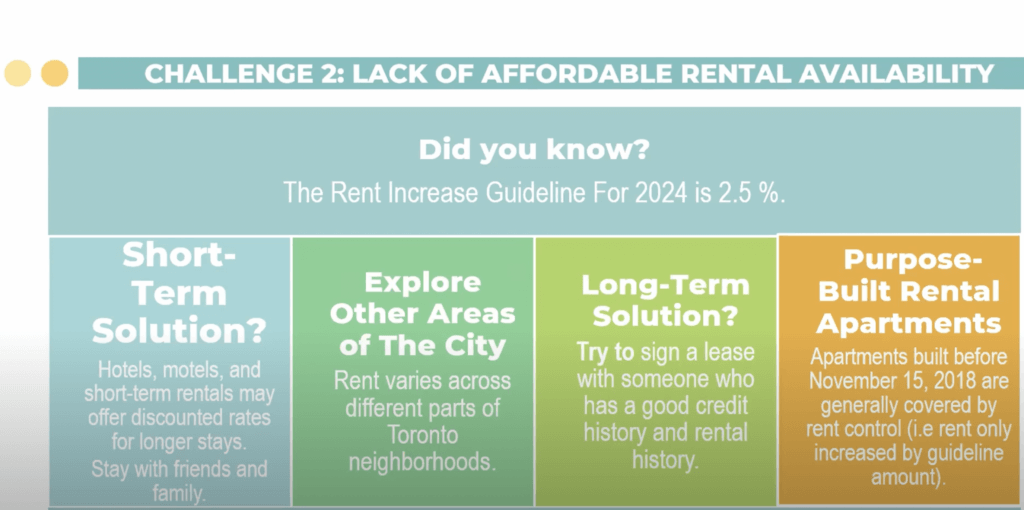
If unable to find your ideal housing situation, consider exploring other areas of the city as availability and pricing varies depending on which neighbourhood you’re looking at.
You may even search short-term rentals, hotels and motels and see if they offer discounts for longer stays.
6. Those coming to Canada must be financially prepared
Be prepared financially before coming here, and know that there is a housing crisis in Canada, specifically in larger cities such as the Greater Toronto Area (GTA).
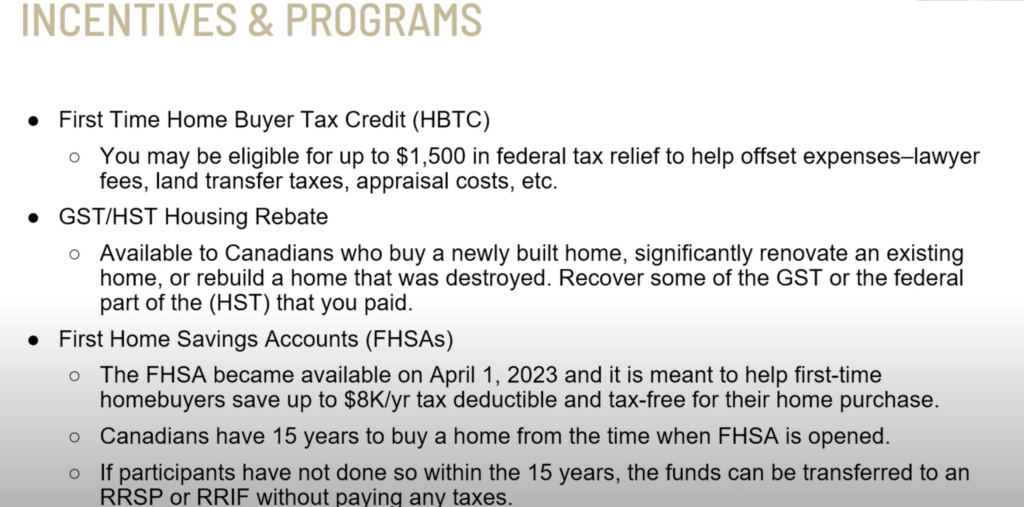
If you are financially ready to buy your dream home, there are incentives and programs for first-time homebuyers such as the First Time Home Buyer Tax Credit, and a GST/HST Housing tax rebate if you’re buying a newly built home.