
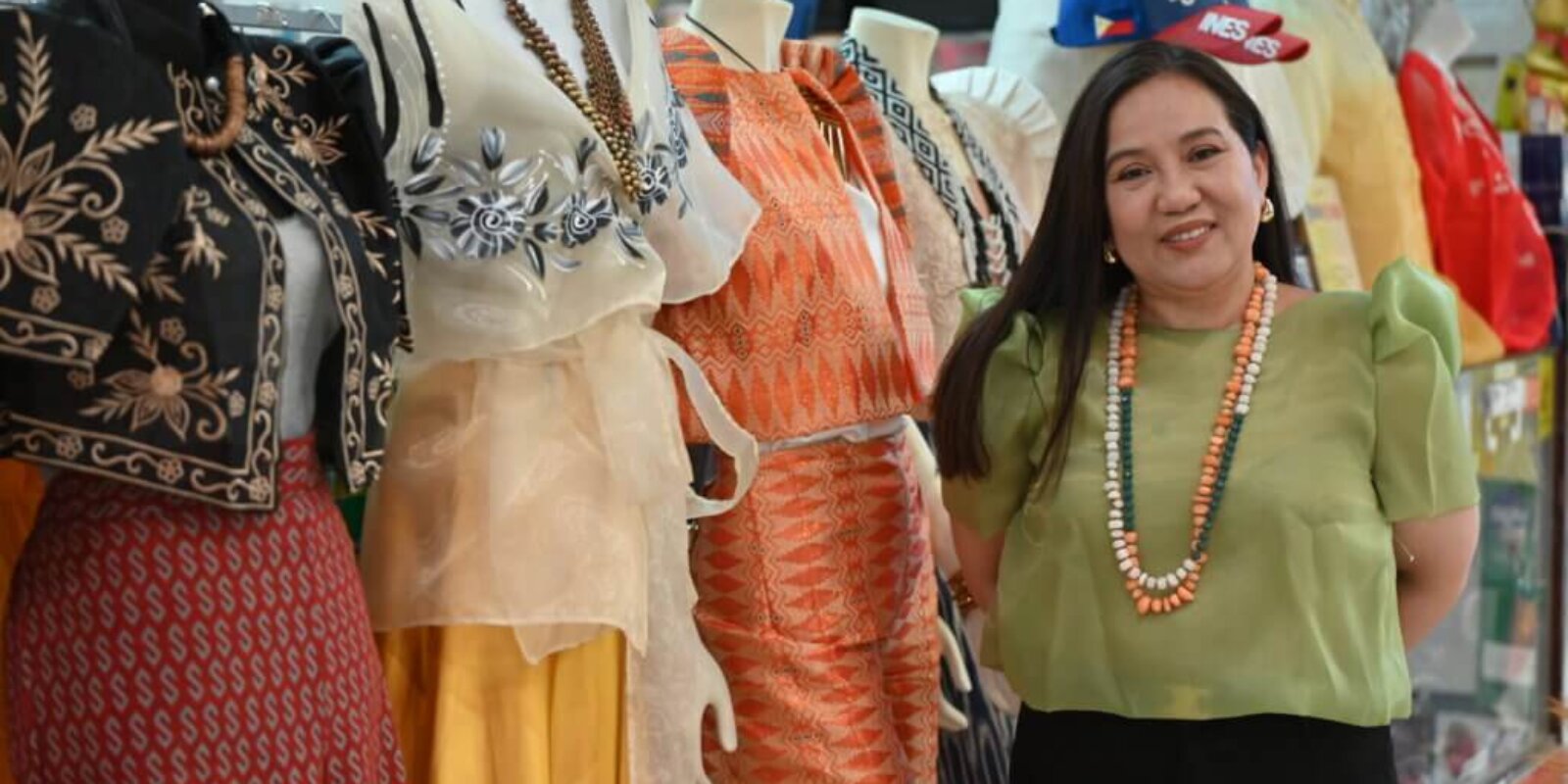
Picture this: you’re invited to a Filipino wedding in Canada where the dress code is Filipiniana. You can’t just head over to the nearest Winners and try on a terno outfit, or a Barong Tagalog.
There’s no Divisoria-type store here in Canada, or even a Kultura store much like inside every SM Shoemart.
And online orders could be dicey—you need to try the outfits in person to get the best fit.
So where could you shop for traditional Pinoy outfits?
“Sabi ko ano yung wala dito sa Canada? (I said what’s lacking here in Canada?),” said Eileen Azarcon, owner of Manila Center in Brampton, Ont.
Azarcon added that more than ten years ago, when they bought what was originally a Filipino remittance store in Mississauga, there wasn’t a store where one can try on traditional dresses or Barong Tagalog.
A University of Santo Tomas (UST) psychology graduate, Azarcon worked at a financial institution in HR (Human Resources), but said she always wanted to go into fashion.
“We’ve been a corporation for 10 years. Our original store was in Mississauga,” Azarcon said. After 5 years running the remittance store, “humina na sya (sales went down).”
Azarcon eventually bought out the other partners, and moved the business to its current location inside the Kennedy Square Mall in Brampton.
“Sabi ko sayang naman yung space. We thought of bringing something…ayaw namin mag-compete sa ibang Filipino store. Parang me community na dito .”
(I thought we shouldn’t waste the extra space in the store. We didn’t want to compete with other Filipino stores. There’s a community here already.)
She decided on opening a Filipino clothing store.
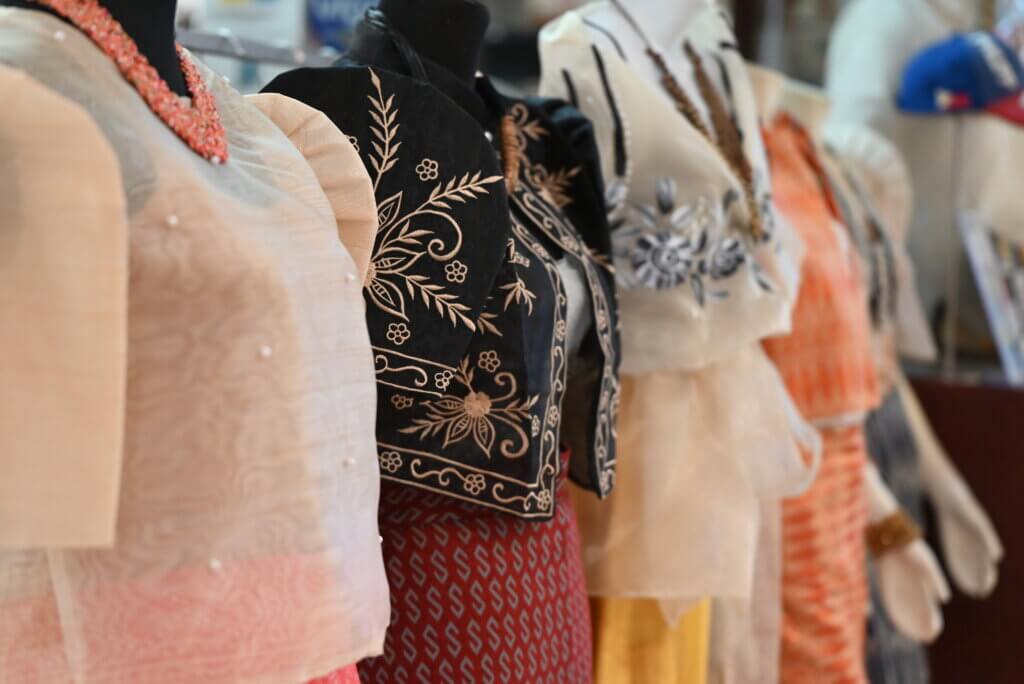
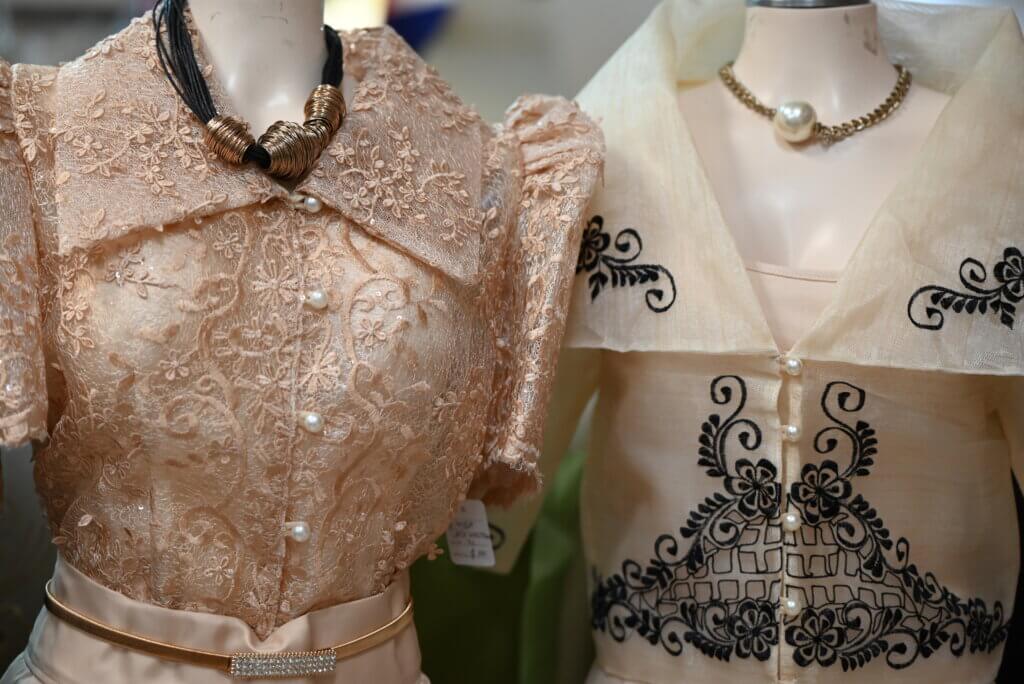
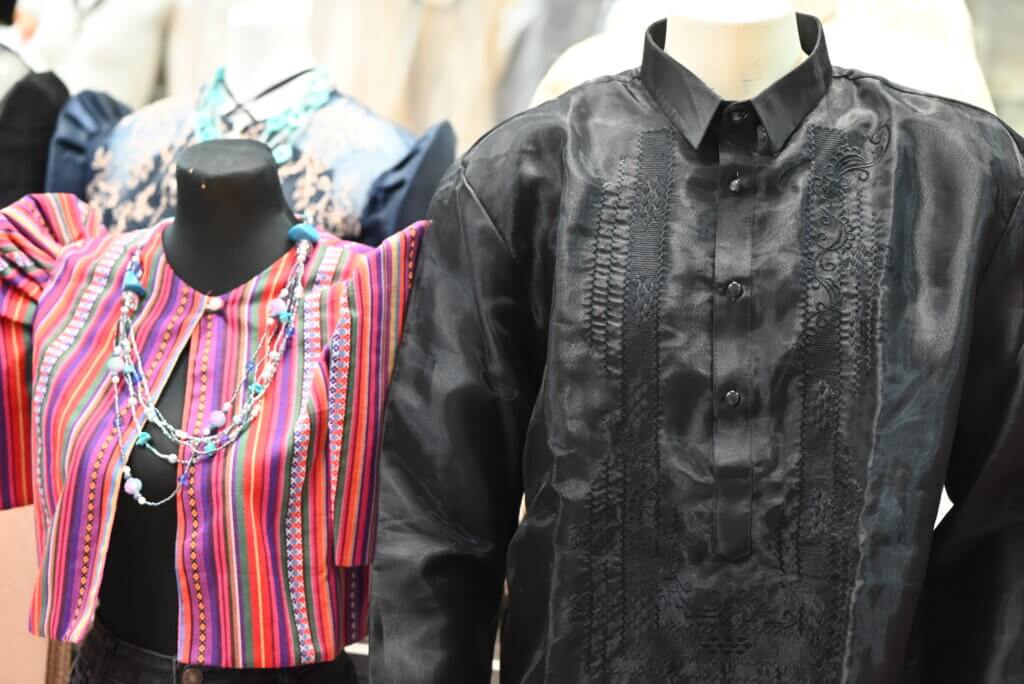
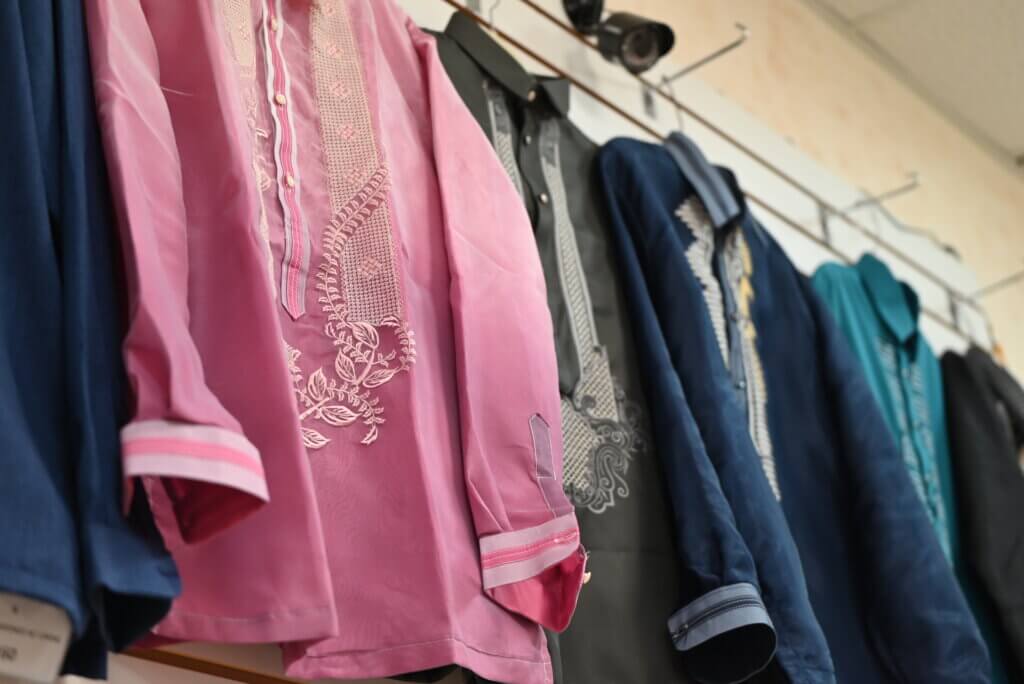
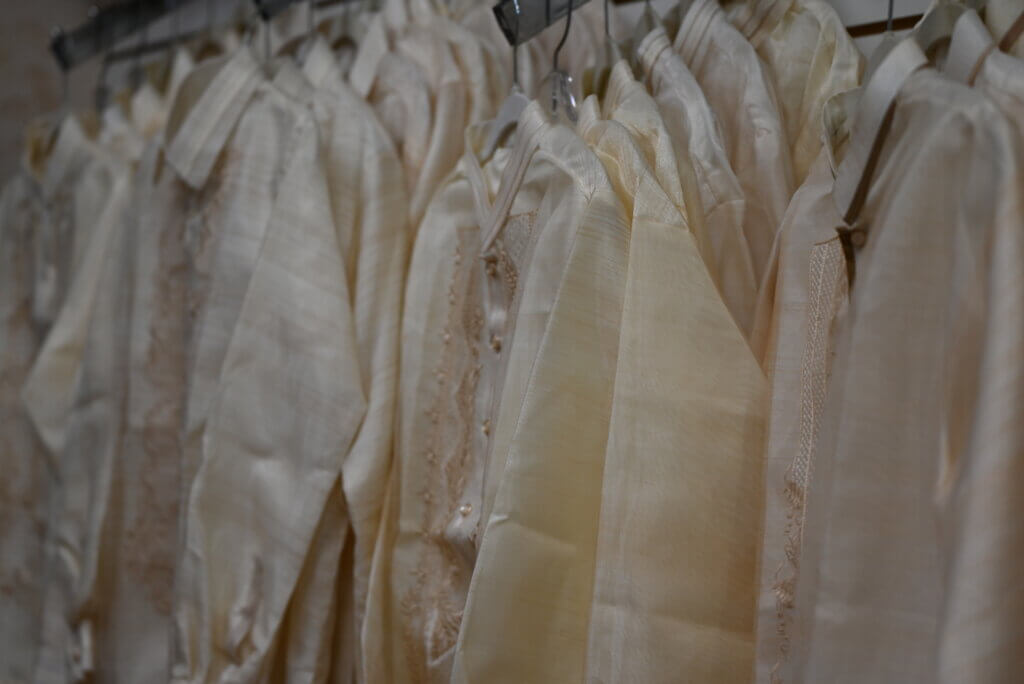
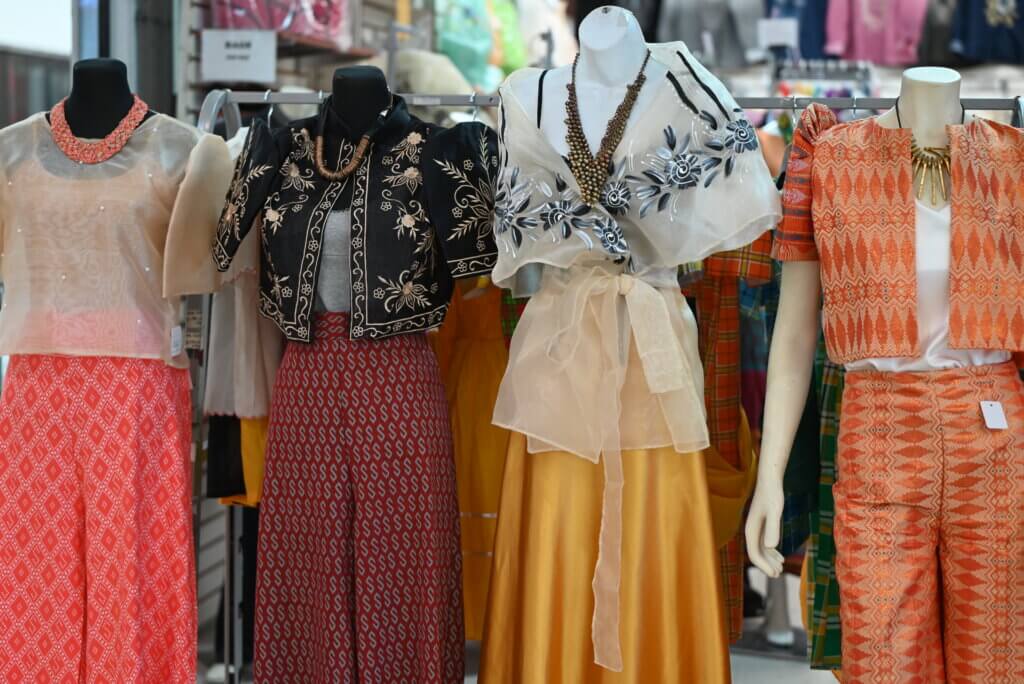
Sourcing Filipiniana
Azarcon trusts a relative to do the shopping for her in Pandi, Bulacan: a town known for their large selection of Filipiniana dresses and gowns.
“Kilala sila sa pagtatahi ng Filipiniana (they are known for sewing Filipiniana dresses).”
Her relative sends her photos, but Azarcon had to figure out the quantity to order, as the orders needed to be in bulk.
Azarcon’s weekend schooling in Fashion Merchandising at George Brown College helped her with sales and buying plans.
Her past experience as a dress shop owner in the Philippines also paid off.
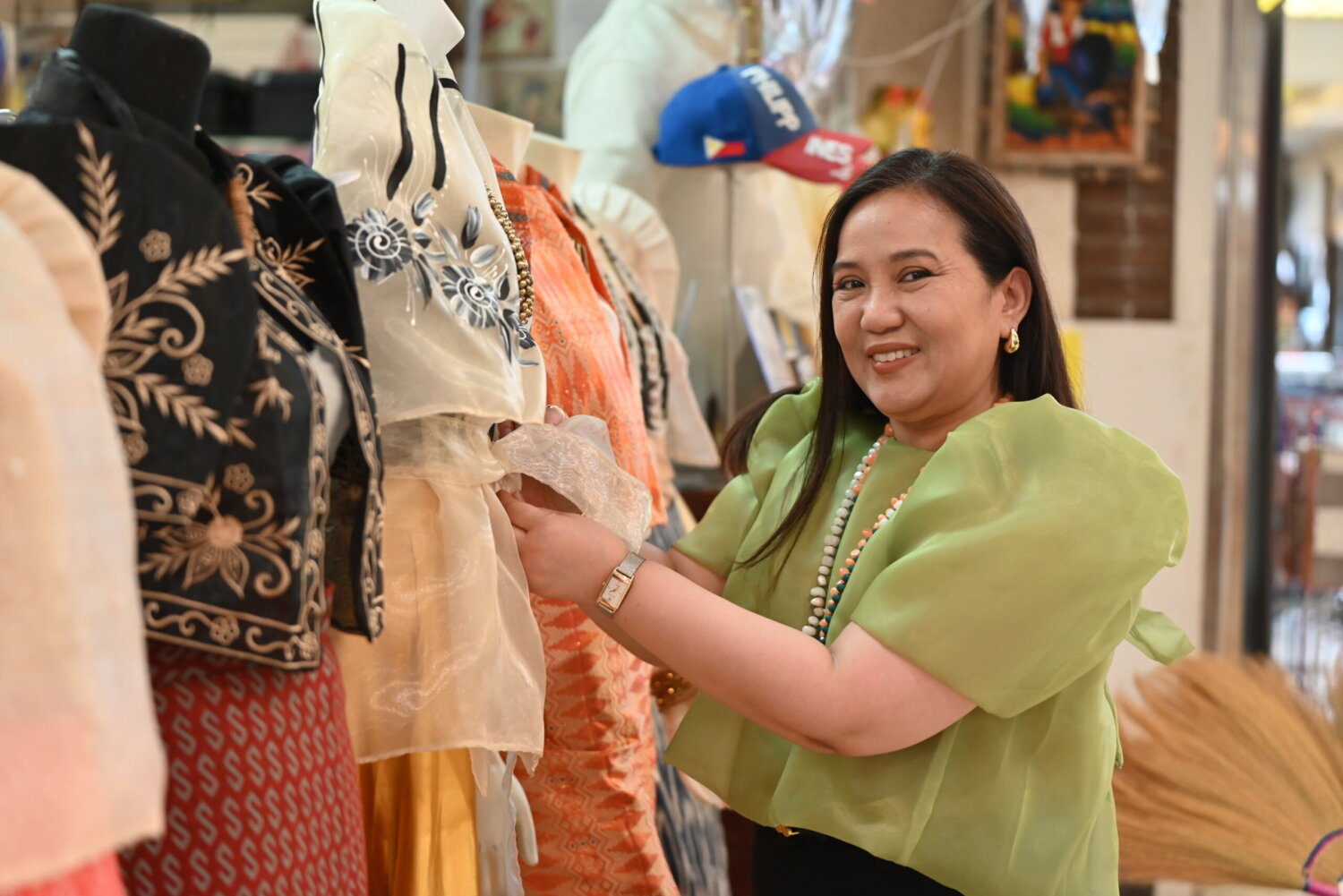
Origins of Barong Tagalog and Terno
Azarcon revealed that she recently just found out that the Barong Tagalog was apparently designed without a pocket so that weapons couldn’t be hidden in it.
“Yung barong walang bulsa—ngayon ko lang natutunan—para di makapagtago ng mga kutsilyo (during the Spanish occupation). Ganun pala yun.”
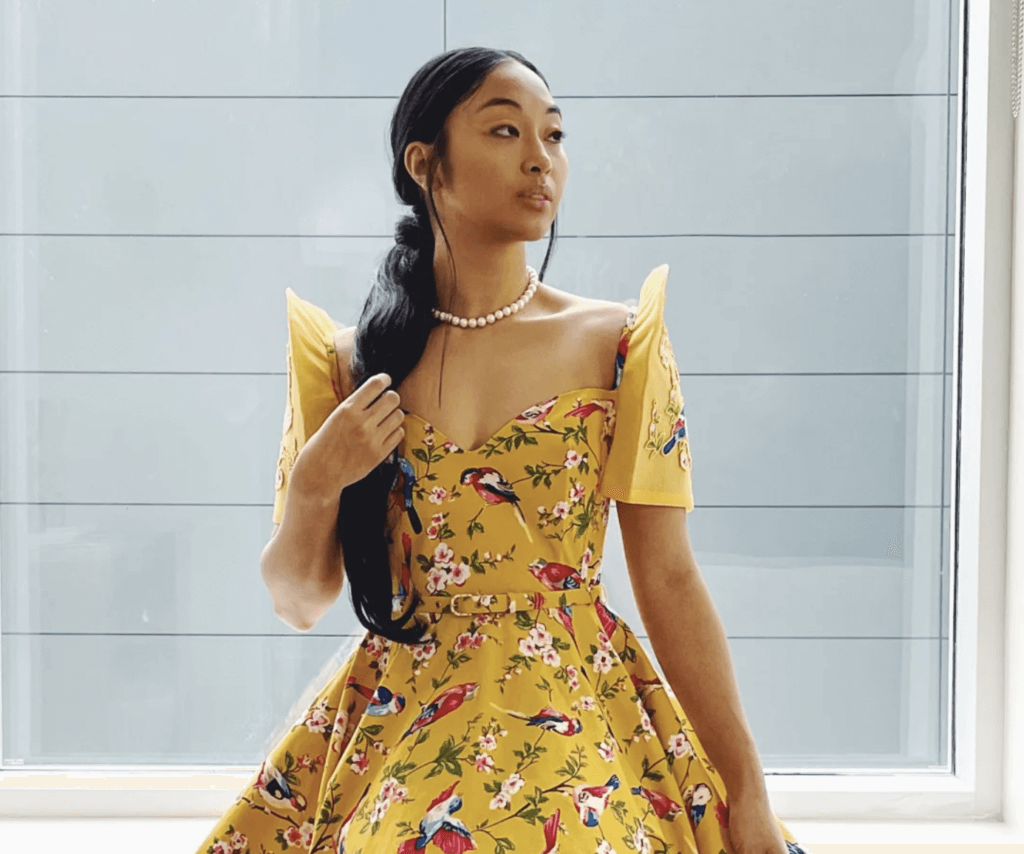
As for the butterfly sleeves of the terno, she said that Ramon Valera famously popularized the style.
“Ang talagang style natin yung malambot, me panuelo, me kamisa, tsaka palda (our original style was soft, with a scarf, a blouse and skirt)”
The ternos evolved in the 1950’s, and eventually, the terno’s disctinctive sleeves and dress silhouette was popularized because of Imelda Marcos.
These days, ternos and barongs are made of banana fibres, abaca, pinya (pineapple) or cheesecloth, with the pinya organza barong being the store’s bestseller.
Nationalistic na tayo
Azarcon has noticed a new trend lately—grooms and brides want their whole entourage to wear Filipiniana.
“Na-inspire na sila mag-represent (they’re inspired to represent our culture).”
“It’s changing. Proud na sila mag-represent kasi na-aappreciate ng ibang lahi (they’re proud to represent because other people appreciate their clothing).”
“This is part of our history, our fashion.”
Azarcon is thrilled with the younger generation, who don’t ‘settle’ for tuxedos.
Brides these days still prefer to wear traditional white gowns, she said, however, they wear ternos for their engagement photos.
Special occasions such as graduations, weddings, and oath-taking ceremonies also inspire Filipinos to wear ternos and barongs.
“Nagiging nationalistic na tayo,” Azarcon said. “Yung ibang stores focus on some pieces of Filipiniana. Pag gusto mong mag-feast ang mata, punta kayo dito.”
(We’re turning nationalistic. Other stores focus on some pieces of Filipiniana. If you want to feast your eyes, come visit the store.)
Online shopping
Caroline Mangosing in Toronto created Vinta Gallery, offering atelier-grade, handcrafted and heirloom quality modern Filipiniana clothing and accessories.
Vinta’s fresh and cutting-edge take on ternos and barongs is a millenial’s dream: an ethical, sustainable, women-owned and led company, presenting customized, forward-thinking clothing.
The slits in the dresses are sky-high, and the necklines are a-plunging, but the quality is paramount, and the Philippine textile touches sublime.


Boxing Day: No, it's not about Pacquiao. Really.
December 26, 2024 @ 10:25 pm
[…] place the day after Thanksgiving, it’s the ultimate shopping […]
Who are the Top 5 international Filipino designers?
January 10, 2025 @ 12:25 am
[…] the Philippines rich in traditional textiles like piña and abacá fabrics, Filipino designers take these classic elements and turn them into something fresh and […]