
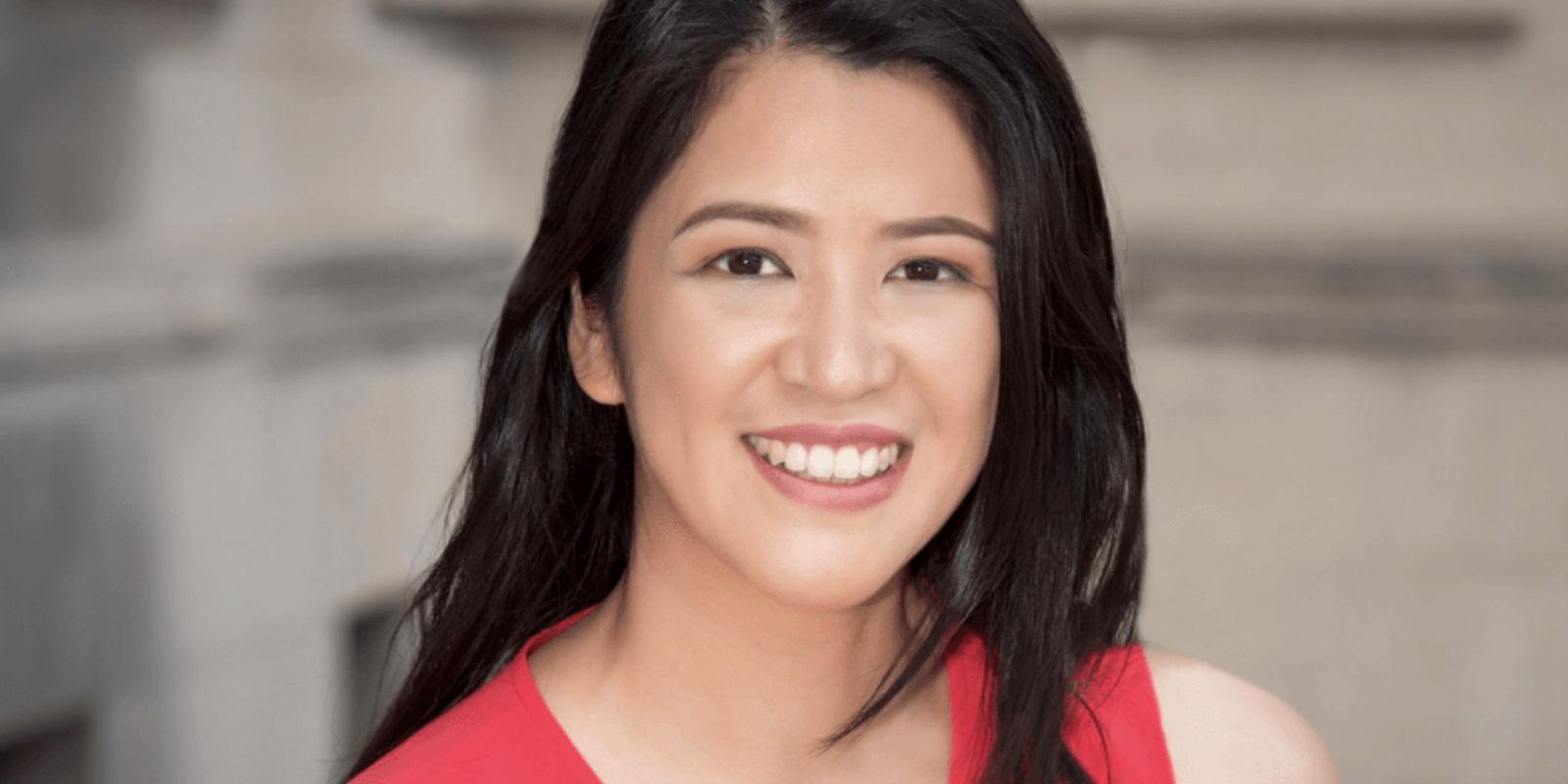
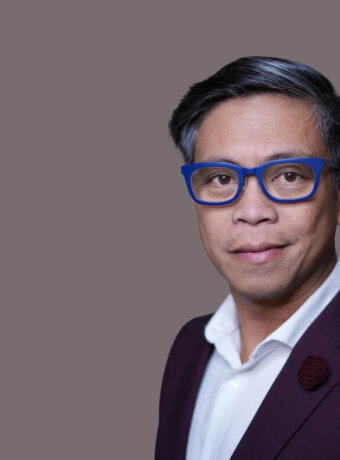
As an eight-year-old, Filipina politician Malaya Marcelino already knew she was interested in politics: her hobby involved writing down federal cabinet ministers’ names meticulously in a notebook.
“If there was a cabinet shuffle I would have to redo everything,” she said.
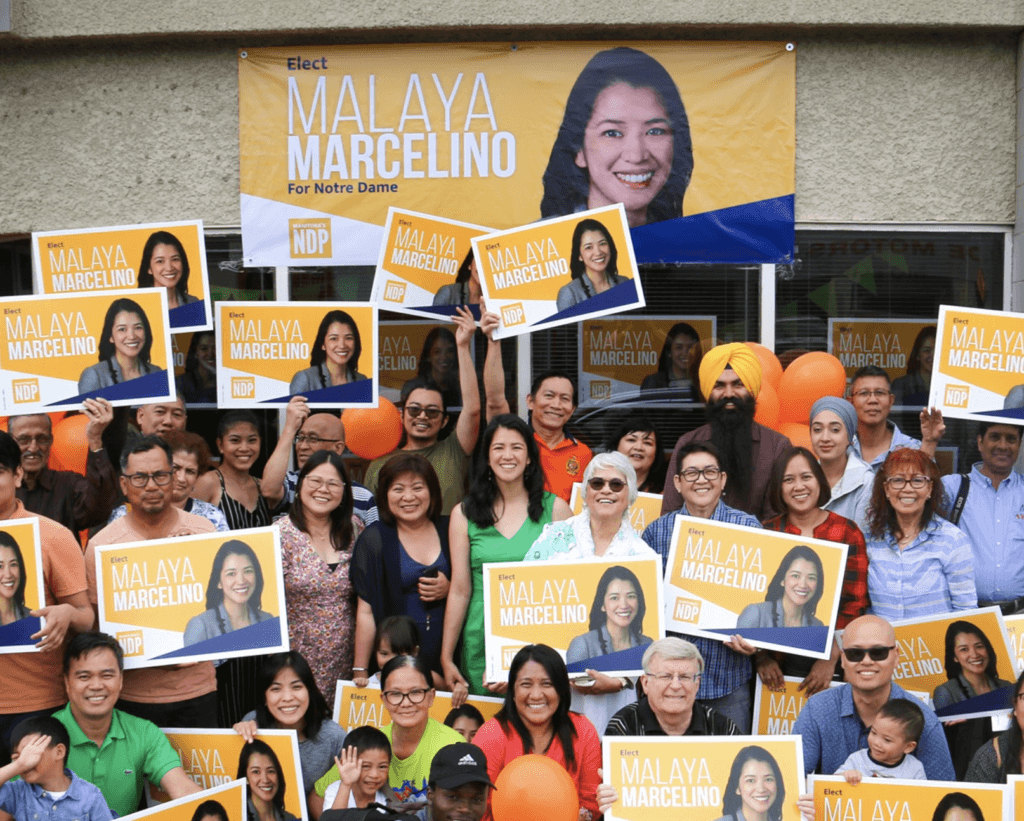
Marcelino is currently serving as Manitoba’s Minister of Labour and Immigration, elected as a Member of the Legislative Assembly (MLA) in the 2019 Manitoba general election. She is the daughter of former MLA Flor Marcelino.
We asked Marcelino a few questions about her path to politics and her message to Filipinos:
Is it true that you once said you wanted to be a prime minister?
According to my father, when I was eight years old, I told him that I wanted to be the Prime Minister of Canada. But I don’t remember saying that…it’s a misquote.
(These days) I don’t really think about stuff like that. There are so many projects and initiatives that are before me right now.
We were given this mandate by the people of Manitoba. They gave us very clear priorities on what they wanted us to work on. It’s not easy to do those priorities.
I’m putting my full energy into trying to make those things happen.
What were those priorities?
(First), we were elected to fix health care. We’ve been having so many issues. Our publicly-funded and publicly-run health care system is under a lot of stress.
There are so many aspects of it that we need to address.
(Second), to make life affordable for Manitobans. We are trying to deal with affordability issues.
(Third), we need to make sure that we do it in a balanced, stable, steady way that keeps in mind our fiscal framework, that we’re able to balance the budget in four years.
What initiatives are you working on for Philippine-trained health workers?
We’ve already identified what so many of the barriers to accreditation are.
We’re going to require health care aid and folks that work in home care. There are barriers that have been clearly identified by many of (Filipino) community members.
We’re working diligently to try to remove the unfair barriers to accreditation so these folks can practice (their profession) and do so safely and have the support in place.
We certainly need extra health care human resources. We have a 2,600 nursing shortage in Manitoba.
We also have a shortage in MD’s (medical doctors). We have the lowest doctor-to-patient ratio.
We know that internationally educated health professionals will have a role to play in helping us with this health human resource strategy.
What are some barriers to accreditation?
We are also embarking on what people in Manitoba have told us: we have many internationally trained health professionsals in Canada that are not practicing because of previous years of barriers to accreditation: whether it’s financial barriers or maybe they weren’t able to pass the tests.
Obviously we need to prioritize safety and there has to be safety standards but we have to identify stuff that doesn’t make sense.
For example, there are multiple language tests they have to write.
They would have to keep writing these tests even though they (already) passed them.
There are hundreds that could avail of having a new pathway created for them so they could be safely accredited. This has never been done.
Many of them are out of scope of practice: if you haven’t practiced in two, three years, you just have to start all over again. Go back to a four-year nursing degree; start again even as a doctor.
It’s extremely prohibitive. No one can do that.
We are going to create a pathway for Manitobans who are here already who can contribute in this way. I’m very excited about that.
The job of a politician is to listen to the people I’m supposed to represent.…this (idea) comes from them.
I’m just responding to them and trying to finding a way to make this happen.
This is the cry of the (Internationally Educated Nurses) IEN’s here in Manitoba and I believe across Canada.
Once we have this succesful pathway in place I’m going to call on other IEN’s across Canada to come to Manitoba.
How are Filipinos doing in Manitoba?
I lived in Ontario for 17 years, went to University of Toronto. I got to see what it was like for Filipinos in Ontario.
I found it’s easier for Filipinos in Manitoba than in Ontario.
First of all, the cost of living is much easier here and more affordable.
I’ve seen (Filipinos) own houses, (or) buy vehicles in cash.
Here in Winnipeg, one in ten Winnipegers is Filipino, maybe even higher.
You see Filipinos in leadership positions everywhere. We have our own Filipino radio station, union leaders, a senator…we have a lot of networking ability because of how closely knit we are.
What is your message to fellow Filipinos?
Filipinos need to be organized in groups…as unified voices, because then the political parties notice you as a community.
Even if we come from a poor country with lots of different kinds of struggle, there are so many things about us that we should be proud of.
You’re never going to be white…you might as well know who you are and love who you are.

Why Dr. Jose P. Rizal’s legacy lives on 127 years later
January 5, 2024 @ 12:50 am
[…] face of adversity, and his intellectual legacy are reminders of the responsibilities we bear—to our heritage, to our communities, and to the principles of fairness and liberty,” the minister […]