
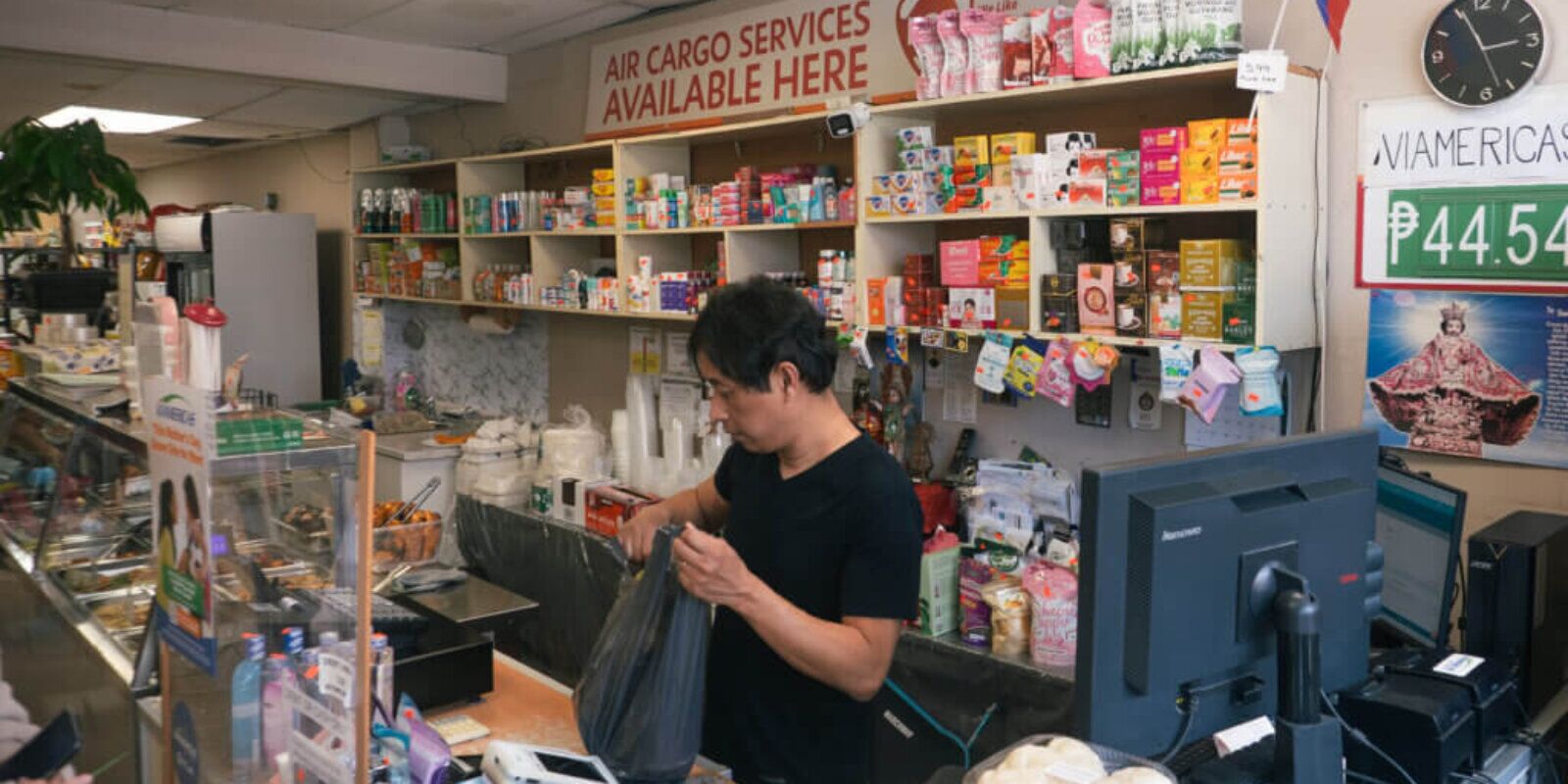
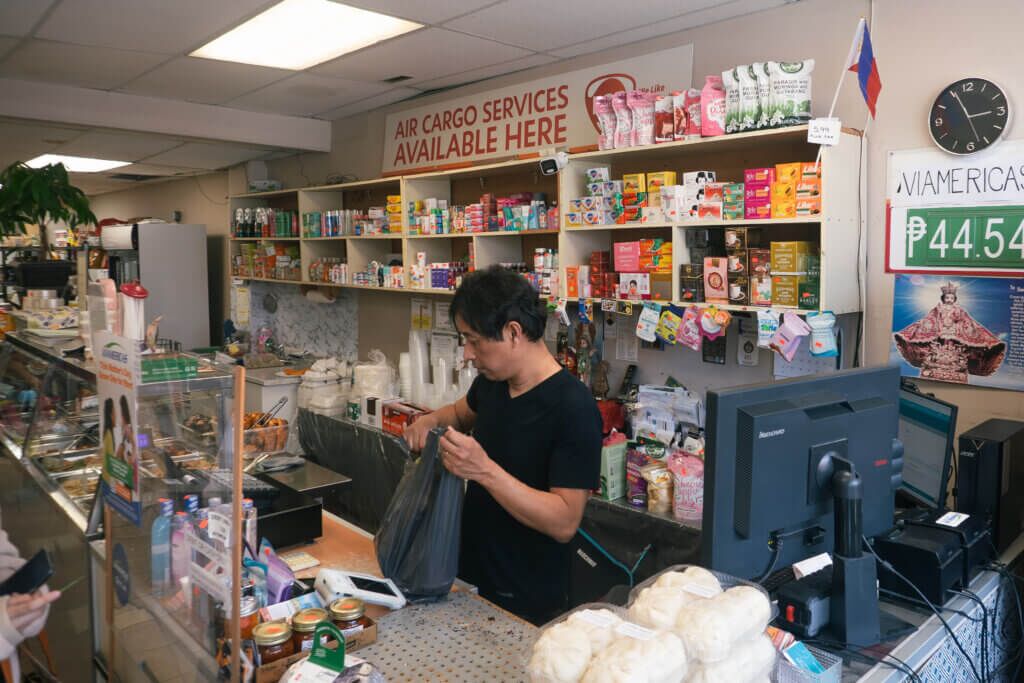
For Filipino grocery store owner Chris Yuzon, inflation is showing up where it matters most: on store shelves and in customers’ shopping carts.
After 14 years of operating Filipino N Toronto at Eglinton Avenue West and Dufferin Street, Yuzon said rising food costs have changed how customers shop, with many focusing only on necessities and cutting back on non-essential purchases.
Yuzon said inflation has affected nearly every product sold in his store, forcing both businesses and consumers to adapt.
His observations reflect a general trend across Canada, where grocery prices continue to rise faster than overall inflation.
According to Statistics Canada, food purchased from stores increased 3.5 per cent in April 2026 compared to April 2025, while Canada’s overall inflation rate was 2.8 per cent.
“Mas mapili sila sa gusto nilang bilhin. Yung mga necessities na lang binibili nila,” Yuzon said. “Uunahin nila yung mga essentials.”
(The customers are more careful with what they buy. They buy necessities first, the essentials only.)
Yuzon estimated some products in his store have increased by as much as 30 per cent over the past year.
“Malaki yung tinaas, siguro mga 30 per cent from last year,” he said. (The increase is high, maybe 30 per cent from last year.)
Toronto resident Amelia Era said she notices the impact every time she shops for groceries.
“Yes, definitely I noticed the increase in prices,” Era said. “Yung Nescafe, normally it’s just $10, ngayon it’s $15.”
(Nescafe is normally $10, now it’s $15.)
The experience is consistent with findings from Canada’s Food Price Report 2026, which states food prices in Canada are now 27 per cent higher than they were five years ago.
Yuzon said inflation has affected nearly every item sold in his store.
“Established na kami dito, 14 years na kami. Ewan ko, kung mag-uumpisa ako ngayon, mahirap na or di ko pipiliin yung ganitong business. Lahat ng mga items tumataas, hindi lang isang item.”
(We’re established here for 14 years. I don’t know, if I were to start again, I wouldn’t choose this business. All the prices have gone up, not just one item.”)

As both a grocery store and restaurant, Filipino N Toronto must absorb rising costs across imported goods, ingredients, and day-to-day operations.
Canada’s Food Price Report 2026 forecasts food prices will increase by another four to six per cent this year, adding further pressure on businesses and consumers.
According to Yuzon, customers are spending less and purchasing fewer items than before.
“Dati, bibili sila nang marami. Kasi yung value ng dollar dati malaki. One hundred dollars madami ka na mabibili. So ngayon, less na ang binibili and less ang spending ng mga consumers namin.”
(Customers used to buy a lot, with the value of the dollar higher. One hundred dollars can buy lots of items. Now, they buy less items and spend less.)
While wages have increased in Ontario, many consumers say higher food costs continue to strain household budgets.
Ontario’s minimum wage has risen from $14 per hour in 2018 to $17.60 as of today, an increase of approximately 25 per cent.
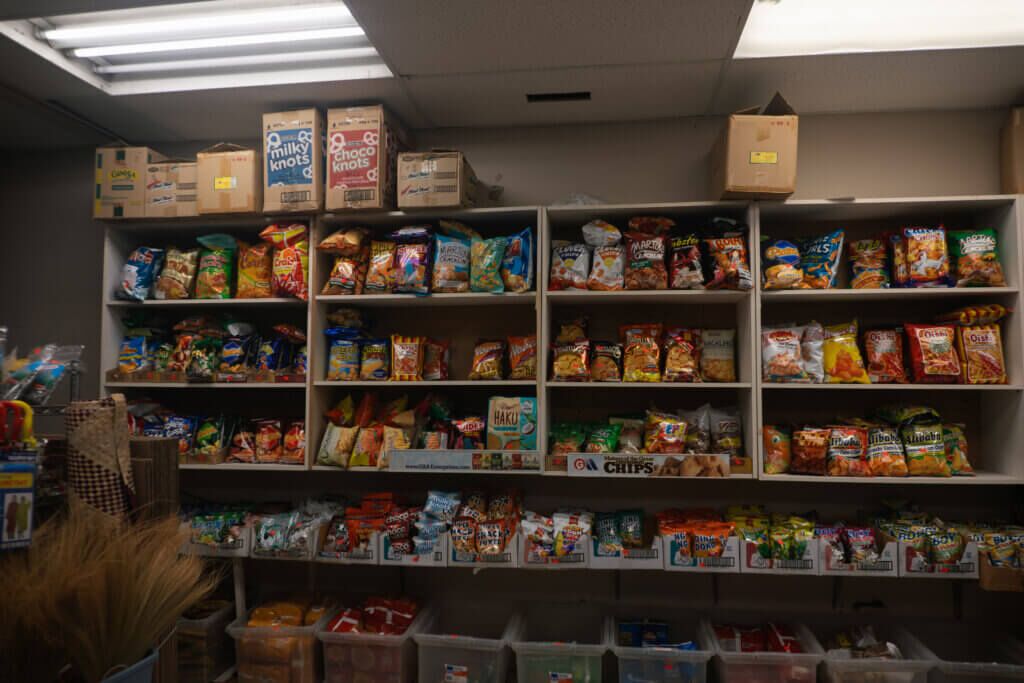
Rather than switching to cheaper brands, Era said she changed the way she shops.
“Inaabangan ko yung sale (I wait for sales), so I always wait for the flyers,” she said. “Some groceries would price match like No Frills and FreshCo.”
She said she still prefers familiar brands despite rising prices.
“Ayoko bumili ng cheaper alternatives because I would still prefer name brands.”
(I don’t like buying cheaper alternatives, I still prefer name brands.)
For Era, the impact extends beyond groceries.
“Dahil nga mas mataas ang bilihin, mas less ang nasasave for travel or other things. So naaapektuhan yung iba mong spendings.”
(Because of the high cost of goods, I can save less for travel or other things. So it affects other spendings.)
Canada’s Food Price Report 2026 estimates that the average Canadian family of four could spend up to $17,571.79 on food in 2026, nearly $1,000 more than the previous year.
Statistics Canada reports that grocery prices continue to outpace overall inflation in Canada.
In April 2026, food purchased from stores rose 3.8 per cent year-over-year compared with the national inflation rate of 2.8 per cent.
Researchers behind Canada’s Food Price Report 2026 also found food prices are now 27 per cent higher than they were five years ago, highlighting the growing affordability challenges facing Canadian households.
For both grocery store owners and consumers, rising food prices continue to shape everyday decisions.
While businesses adapt to higher operating costs and shoppers increasingly rely on sales and discounts, many members of Toronto’s Filipino community say grocery shopping now requires more planning and budgeting than it did just a few years ago.
