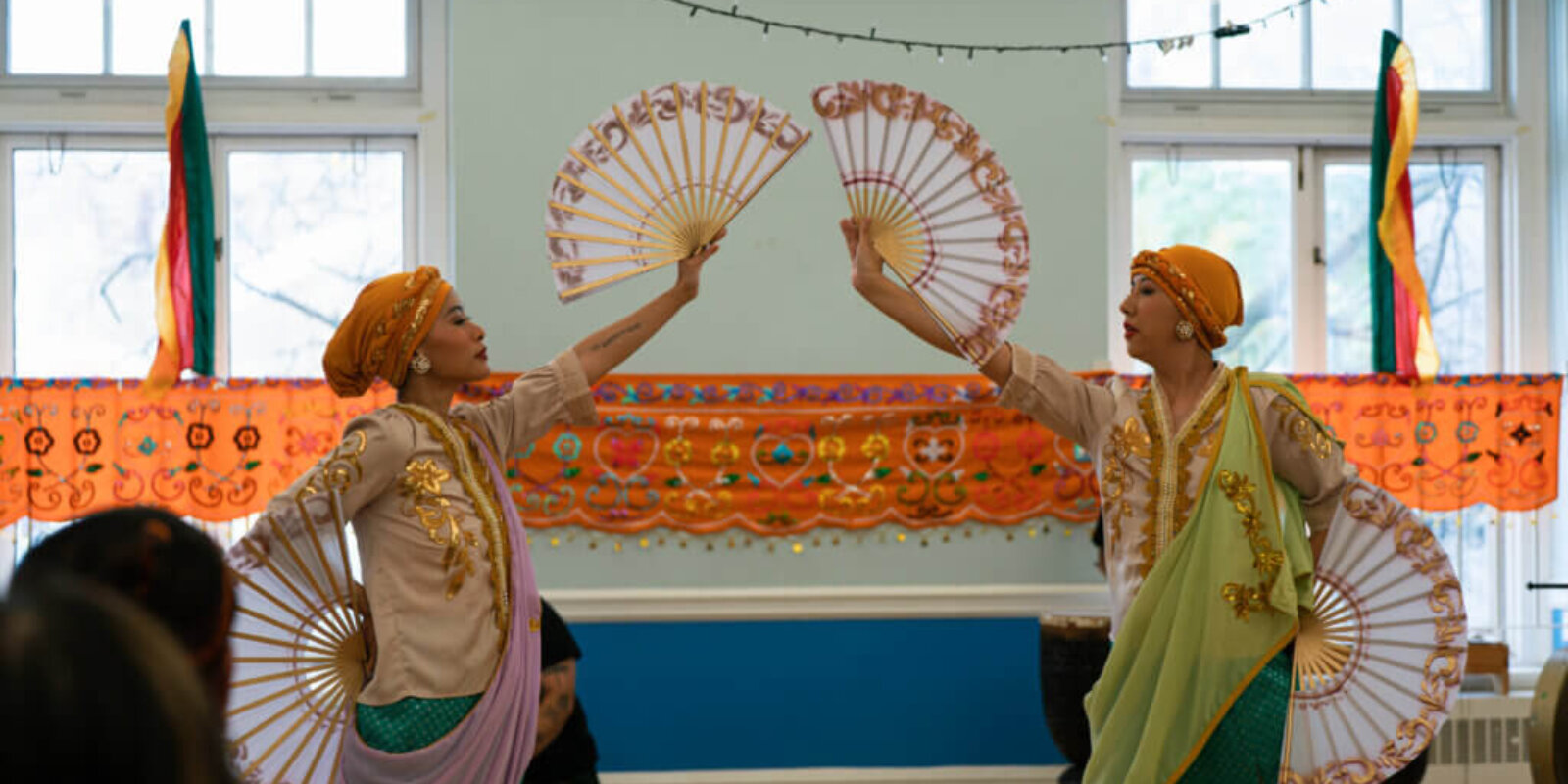
Filipino Canadians gathered in Toronto on Sunday, Oct. 11, to learn about Maguindanaoan music, dance and cultural traditions.
The performances, workshops and discussions were led by a visiting cultural practitioner from the Philippines.
Organized by Folklorico Filipino Canada (FFC), the Maguindanaoan Living Traditions Community Day took place at 765 Queen St. E. in Toronto.
The event brought together artists, families and community members to celebrate and preserve the cultural heritage of Mindanao.
The event featured Sir Faisal Monal, a Maguindanaoan master artist, cultural bearer and educator.
Learning from culture bearers
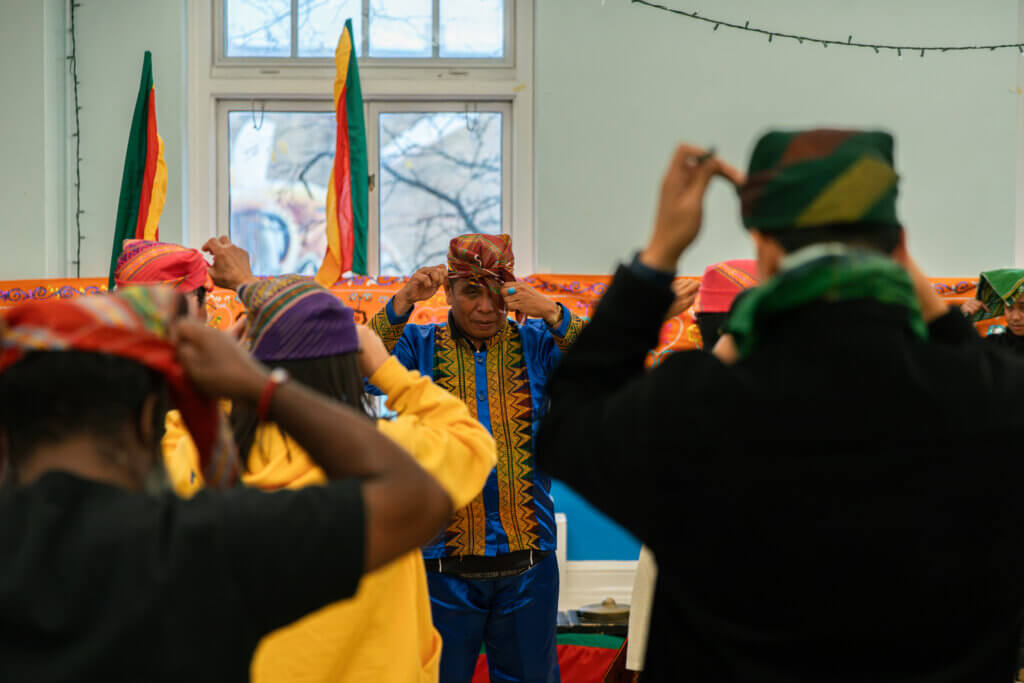
Monal travelled from the Philippines to share his knowledge with Filipino communities in North America.
For FFC executive director Chelsea Carpio, the gathering represented an opportunity to learn directly from those who have inherited and practised these traditions across generations.
“It’s been our goal to learn directly from culture bearers,” Carpio said.
“In the past, it was adapted from Bayanihan and evolved over many years,” she said.
Carpio said the organization wanted to deepen its understanding of the traditions it performs.
One way of doing this is to connect with practitioners who could explain the dance origins and cultural significance.
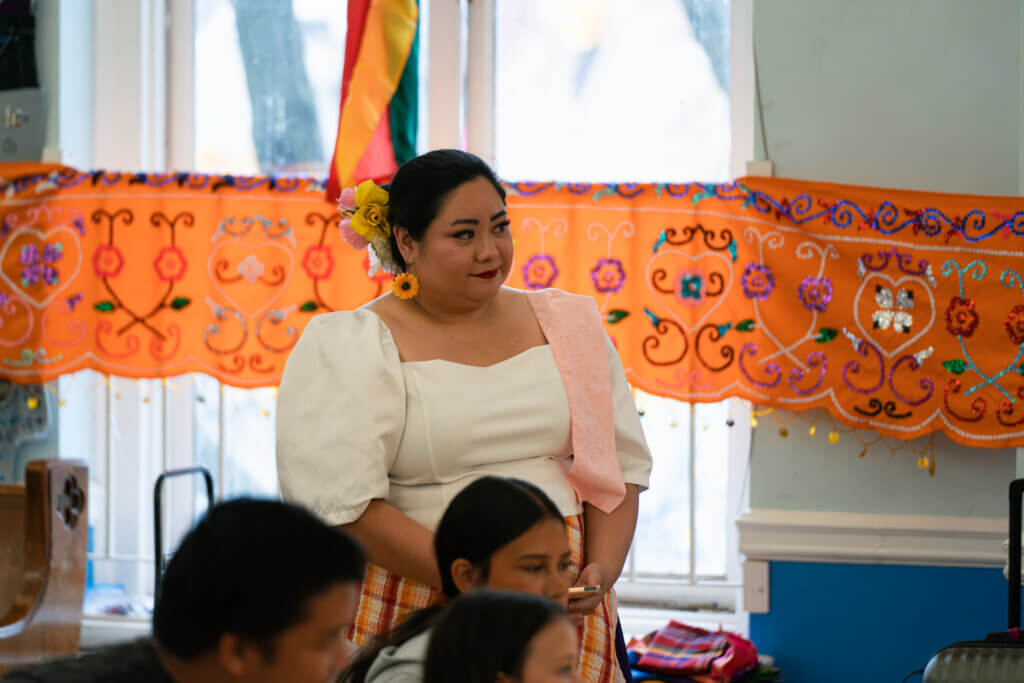
The opportunity came through Parangal Dance Company in San Francisco, whose representative Eric Solano contacted FFC while arranging Monal’s North American appearances.
Before arriving in Toronto, Monal had participated in performances and cultural activities in San Francisco and New Orleans.
For some FFC members whose families come from Mindanao, the visit also carried personal significance.
Carpio said sharing these traditions is essential to ensuring they remain meaningful and accessible to future generations.
“We have to share culture to make sure that it is passed on; so that it survives,” she said.
“We have to tell these stories so that we remember who we are.” Chelsea Carpio

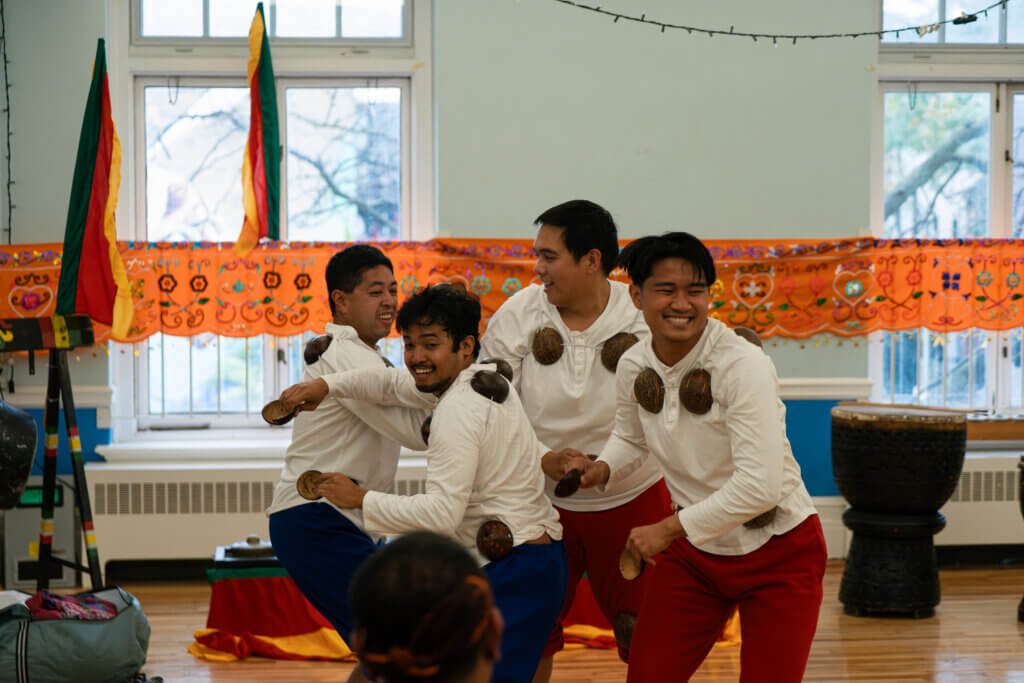
The afternoon began with Monal’s introduction, followed by musical performances featuring the visiting artist and FFC members.
The group also presented three dances from its Maranao repertoire, which members had previously reviewed with another cultural bearer.
Other performances included a Filipino martial arts demonstration by Jo Maramba.
Individual presentations by movement and dance lead Candace Kumar and street dancer Pat Angara were also shown.
A public dance workshop led by Monal allowed attendees to learn movements and music introduced during the group’s week-long cultural intensives.
Growing interest for more diversity
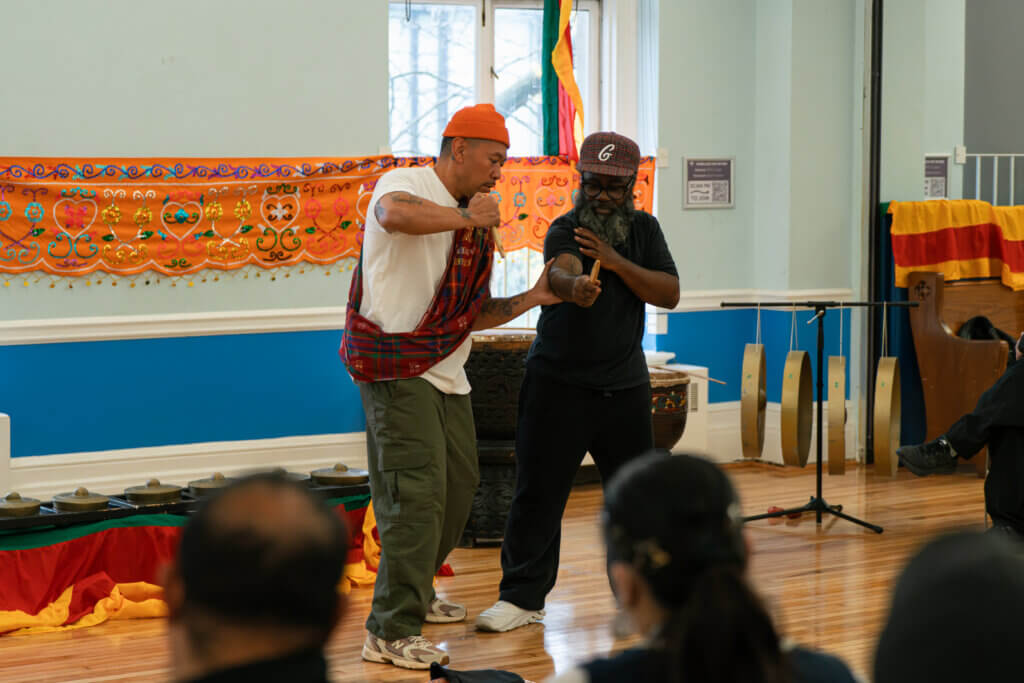

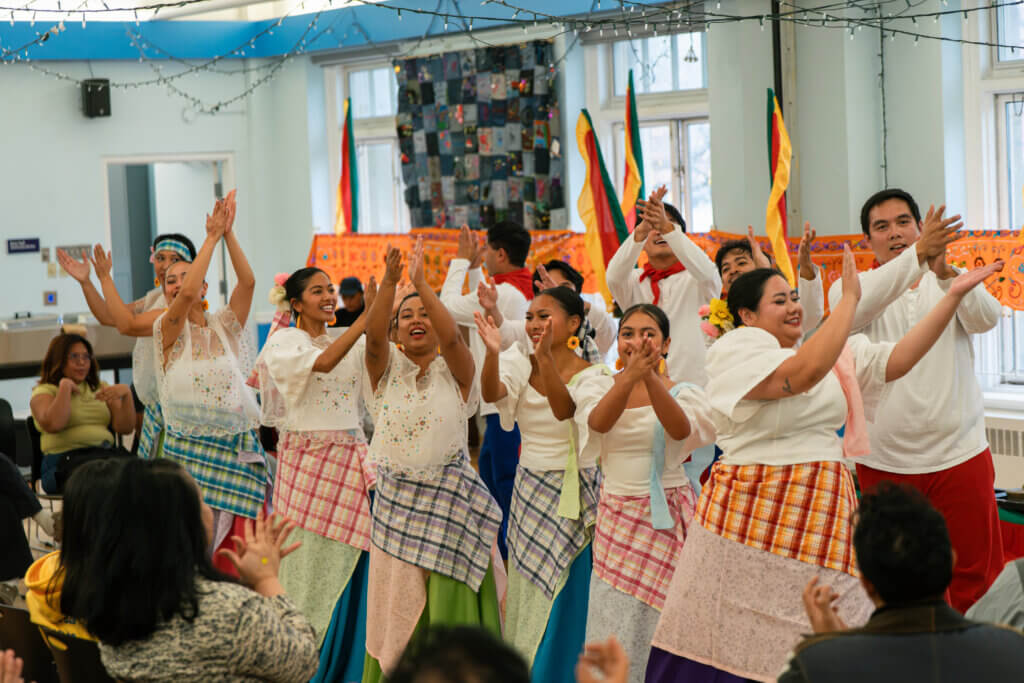
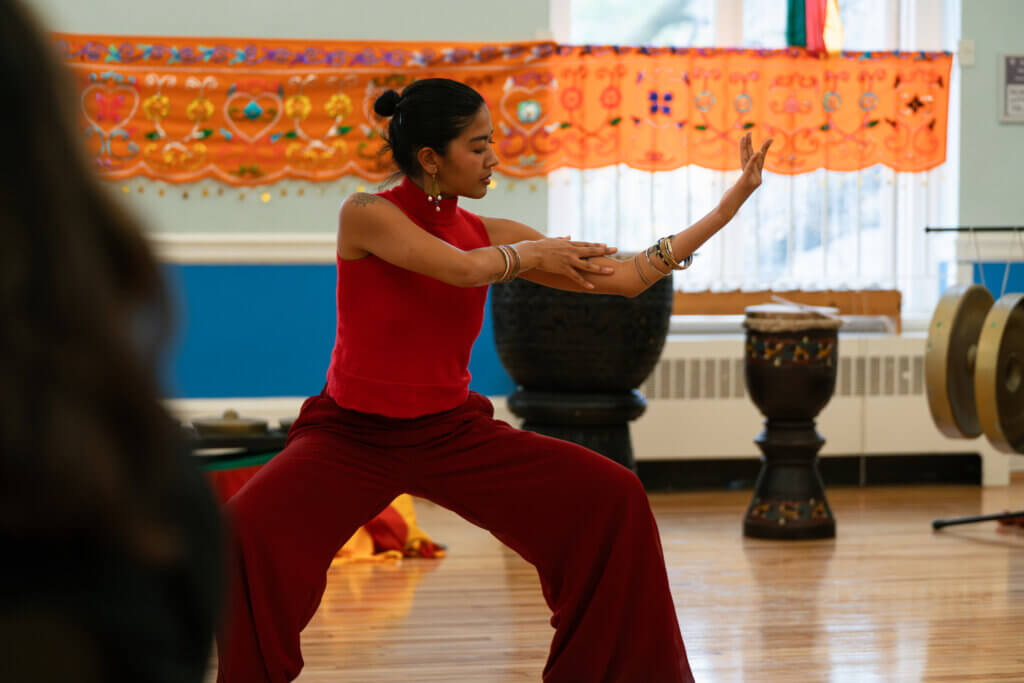
A guided community discussion brought together Monal, Carpio, Kumar and Jonathan Macala of the Muslim Filipino Association of Canada to explore cultural preservation and promotion.
The event was organized alongside community partners Kapisanan Philippine Centre for Arts and Culture and the Muslim Filipino Association of Canada.
Carpio said the support reflected growing interest in creating spaces where Filipino Canadians can explore cultural traditions beyond those commonly represented at community celebrations.
Asked whether Filipino Canadians have enough opportunities to learn about the Philippines’ diverse cultures, she responded: “Never enough.”
Sending members to Mindanao
FFC is also preparing to send members to Mindanao for cultural immersion, allowing them to learn within communities rather than relying solely on performances and workshops abroad.
Carpio said the organization hopes to continue arranging exchanges with cultural practitioners while developing opportunities for members to share what they learn upon returning to Canada.
“This is now the second time we’re sending someone or a group to the Philippines, and we’re definitely going to continue to do so,” she said.
The organization also hopes to expand its partnerships and eventually bring similar cultural programs to other Canadian communities.
For Carpio, the goal involves building lasting relationships with the communities that practise them and ensuring their knowledge continues to reach younger generations.
FFC plans to continue creating opportunities for Filipino Canadians of different ages and backgrounds to learn about their heritage directly from cultural practitioners.
 Luis Miguel De Castro is a Changing Narratives Fund-Local Journalism Initiative reporter at Mabuhay Canada and a journalism graduate at Humber Polytechnic in Toronto. Originally from the Philippines, he is passionate about community storytelling, multimedia journalism, and amplifying Filipino voices through meaningful local coverage.