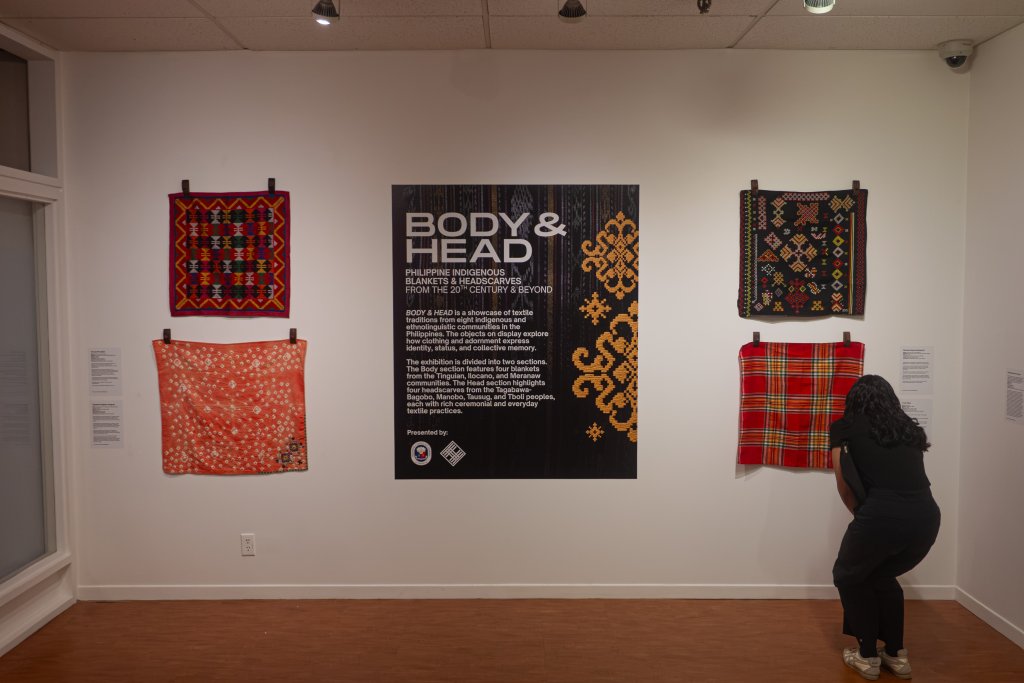
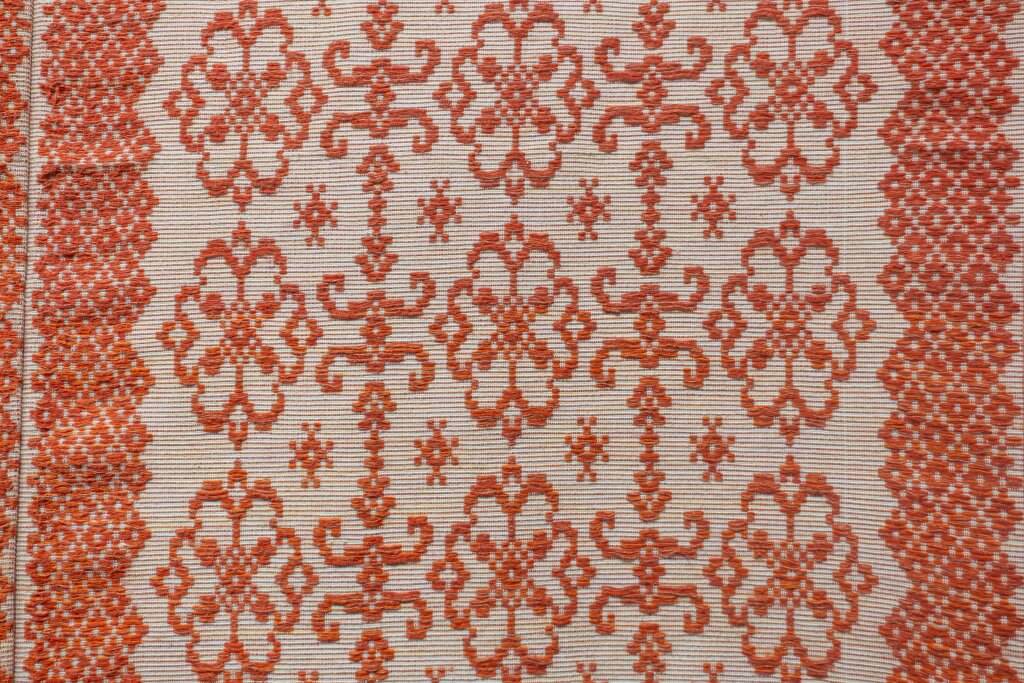
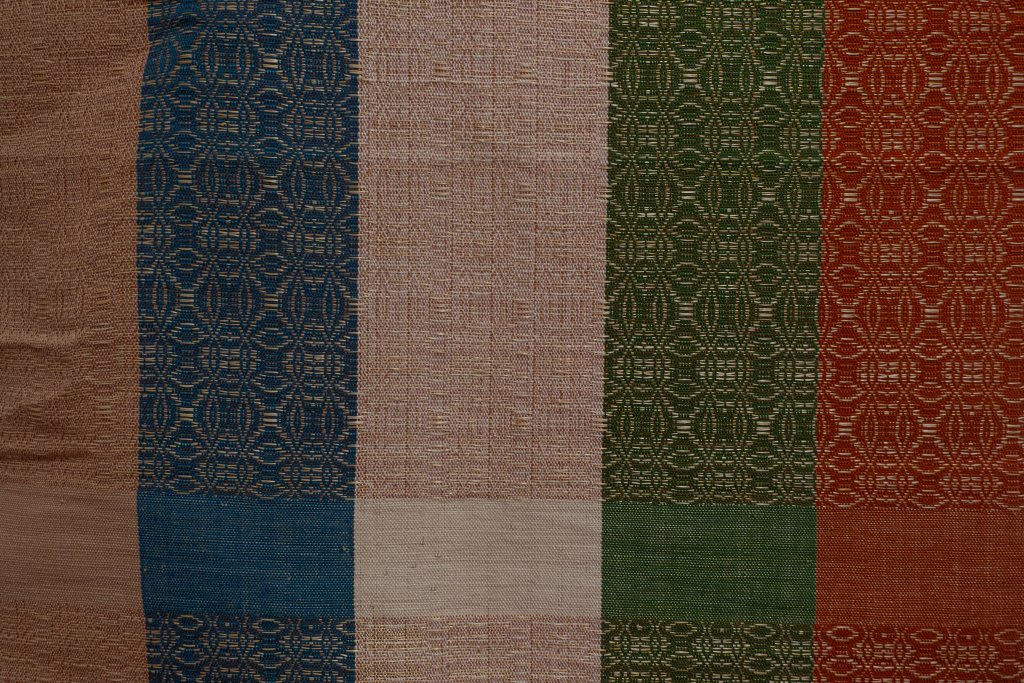
A blanket woven with intricate floral patterns is among the Philippine textiles on display at the Textile Museum of Canada in Toronto, where a new exhibition explores how fabric preserves stories of culture and identity.
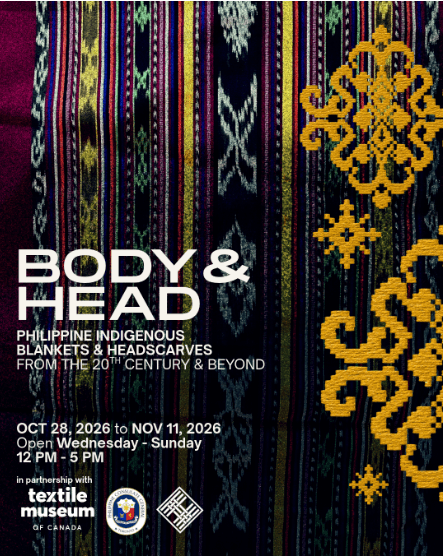
Body & Head: Philippine Indigenous Blankets and Headscarves From the 20th Century and Beyond opened Oct. 28 and runs until Nov. 11, featuring traditional blankets and headscarves representing eight Indigenous and ethnolinguistic communities across the Philippines.
Presented in collaboration with Hibla Philippines and the Philippine Consulate General in Toronto, the exhibition examines how textiles reflect the histories, beliefs and everyday lives of the people who create them.
For Hibla Philippines founder Nice Marquez, the exhibition gives Filipino Canadians a chance to explore the Philippines’ diverse textile traditions and learn about the communities that have preserved them for generations.

“We’re more than the barong, we’re more than the Filipiniana,” Marquez said.
“We have so much more to present.”
More than fabric
The exhibition features blankets from the Tinguian, Ilocano and Meranaw communities, alongside headscarves from the Tagabawa-Bagobo, Manobo, Tausug and T’boli peoples.
Marquez, an anthropologist by profession, said the exhibition’s title reflects the historical purpose of textiles as coverings for the body and head.
But the fabrics also communicate social standing, cultural beliefs and community identity.
“Historically, our textiles’ purpose is to really blanket us, hug us, and to cover us,” she said.
Some of the pieces carry histories spanning generations.
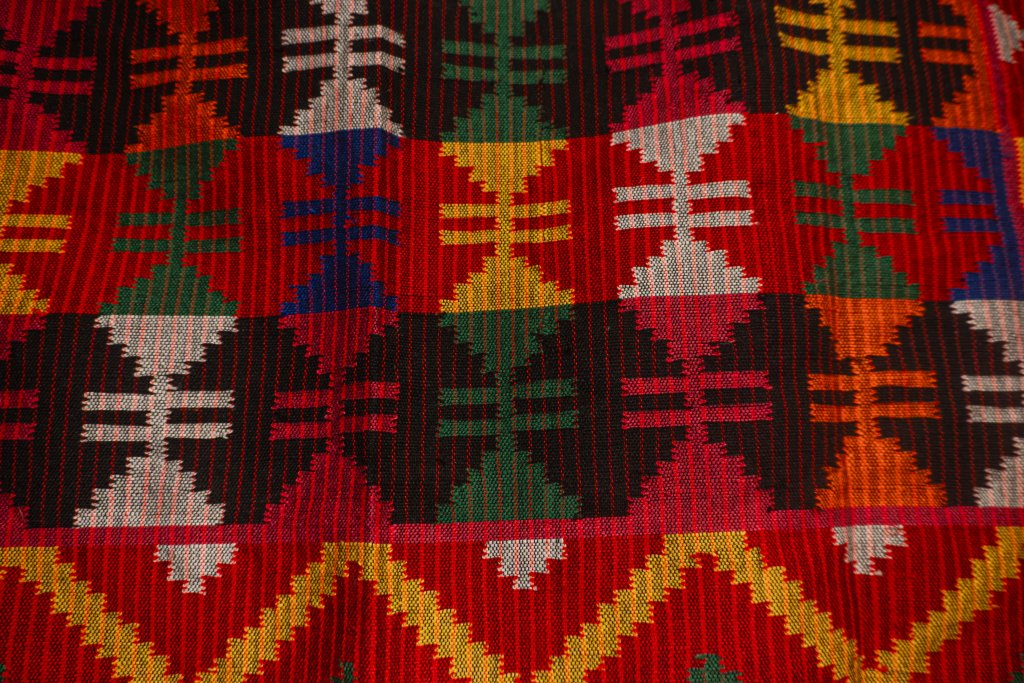
Two Ilocano sinukitan blankets from Paoay, Ilocos Norte, feature the sabong ti parya, or bitter gourd flower, motif framed by an alad, or fence, pattern.
According to the exhibition labels, the heirloom designs have been passed down through four generations of one family.
Marquez said the patterns reflect the everyday lives of the communities that create them, including their relationship with local food.
“Like Inabel traditions in Ilocos have their own interpretation of malunggay pattern,” she said.
“So why malunggay? Because Ilocanos love vegetables.”
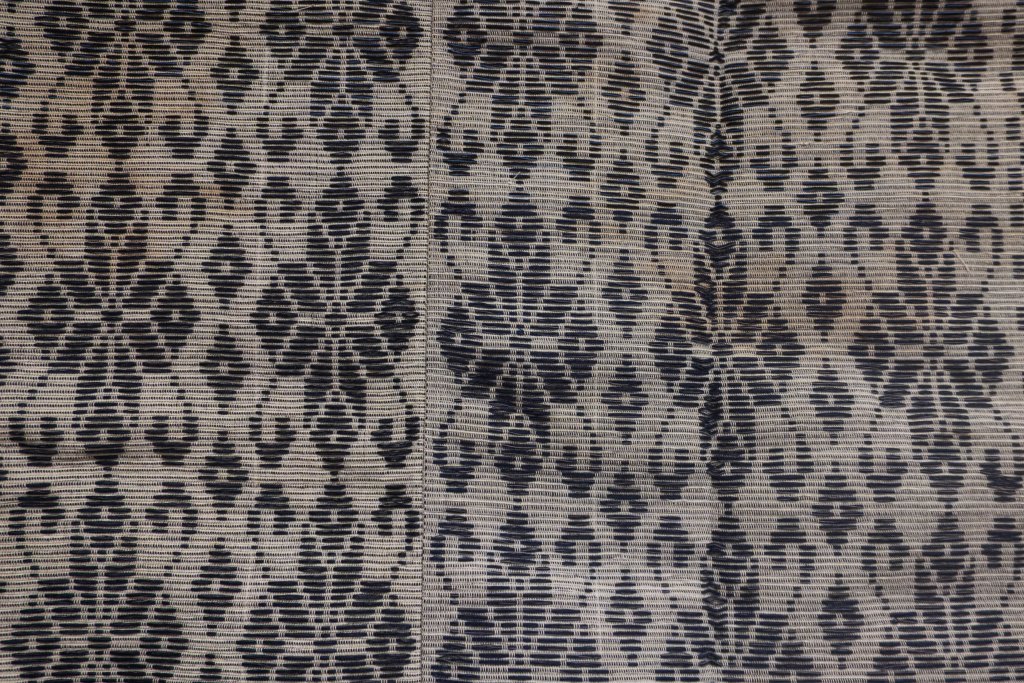
Another piece, the Vintage Meranaw Lalansay, was traditionally used as drapery in Meranaw royal and noble houses.
The textile, believed to date from the early second half of the 20th century, survived the 2017 siege of Marawi and was later repurposed as a blanket by a member of the family that owned it.
The exhibition also includes two textiles from Bayawan, Negros Oriental, where a newer weaving industry is developing its own techniques.
One is made entirely from locally grown cotton, while the other combines abaca and cotton fibres.
Marquez said displaying newer pieces alongside older textiles challenges the idea that cultural traditions must remain unchanged.
“Tradition also adapts and tradition continues to innovate,” she said. “This is where we came from, but this is where we’re going.”


Keeping weaving traditions alive
Marquez founded Hibla Philippines during the COVID-19 pandemic as a women-led social enterprise supporting traditional weavers and seamstresses.
The organization currently works with 14 communities across the Philippines, providing skills development and livelihood opportunities while documenting textile traditions.
Marquez said preserving these practices involves more than maintaining old patterns.
Communities also need access to materials and equipment to continue producing their work.
In Negros Oriental, for example, cotton growers lack local facilities capable of processing harvested cotton into weaving yarn at scale.
According to the exhibition’s description of the Bayawan cotton weave, the fibre must be transported to the Department of Science and Technology’s Philippine Textile Research Institute in Metro Manila for spinning before returning to Negros for weaving.


The process adds transportation costs and time for local producers.
Other communities rely on imported materials, raising questions among some weavers about whether their textiles remain authentically Filipino.
Marquez recalled speaking with Hanunoo Mangyan women who expressed concern about using cotton imported from China to produce ramit, a traditional woven fabric.
She told them the origin of the material did not diminish the cultural value of their work.
“The fact that you do it and the fact that your community is earning from it, from livelihood, so it’s yours,” she said.
Aside from supporting livelihoods, Hibla Philippines is documenting traditional textile patterns through educational projects such as Hanap Hibla, a card game designed to make weaving knowledge more accessible.
Marquez said the challenge is presenting cultural information in ways people of different ages can understand without losing its meaning.
A connection to home

The Toronto exhibition builds on Hibla Philippines’ previous collaboration with the Philippine Consulate General.
During a binakol weaving workshop in Toronto last year, organizers expected 12 participants but approximately 30 attended, prompting them to adjust the activities.
Marquez said the response reflected the interest among Filipino Canadians, particularly younger generations, in reconnecting with their cultural roots.
She hopes the exhibition encourages visitors to recognize the differences among weaving traditions across the Philippines.
“We forget that we’re an archipelago,” she said.
From the Inabel textiles of Ilocos to weaving traditions in Mindanao, different communities have developed patterns inspired by their surroundings and daily experiences.
Marquez said these designs also reveal the relationship between cultural heritage and the natural environment.
Patterns inspired by plants, animals and landscapes reflect the places where weaving traditions developed.
“Culture preservation is environment preservation, and vice versa,” she said.
For Filipino Canadians who may be more familiar with the barong or Filipiniana clothing, Marquez hopes the exhibition offers a starting point for learning about the country’s wider cultural diversity.
Beyond the exhibition
Marquez said she received positive reports from organizers following the Oct. 28 opening, with visitors asking questions about the textiles and workshops reaching capacity.
She is scheduled to visit Toronto on Nov. 11 to lead a binakol weaving workshop on the exhibition’s final day.
The founder aims the exhibition will encourage visitors to continue exploring Philippine textile traditions and create opportunities for future collaborations with Filipino community organizations.
“We’re not just there to exhibit, but also, spark more collaborations in the future,” she said.
 Luis Miguel De Castro is a Changing Narratives Fund-Local Journalism Initiative reporter at Mabuhay Canada and a journalism graduate at Humber Polytechnic in Toronto. Originally from the Philippines, he is passionate about community storytelling, multimedia journalism, and amplifying Filipino voices through meaningful local coverage.