What began as a weaver’s request for fair compensation evolved into a celebration of Indigenous Filipino heritage at the Korean Canadian Cultural Association in Toronto on Nov. 14.
The request came from a woman in Analyn Aryo’s hometown who felt her handwoven textiles were undervalued, inspiring Aryo to bring the artistry of Cordilleran weavers to a wider audience.
Presented by KAPISANAN Philippine Centre for Arts and Culture and produced by INAbelution, Inabel: Weaving Stories of the Past, Present and Future traced the evolution of Cordilleran weaving through fashion and performing arts.
For Analyn Aryo, the writer behind the production, showcasing Indigenous textiles was inseparable from telling the stories of the people who weave them.
“We cannot present the Inabel to a wider audience without telling the stories of its peoples,” Aryo said.
That realization turned a fashion showcase into a three-act production tracing Cordilleran weaving from ancestral villages in the northern Philippines to contemporary runways in Canada.
Act I – Where the threads began
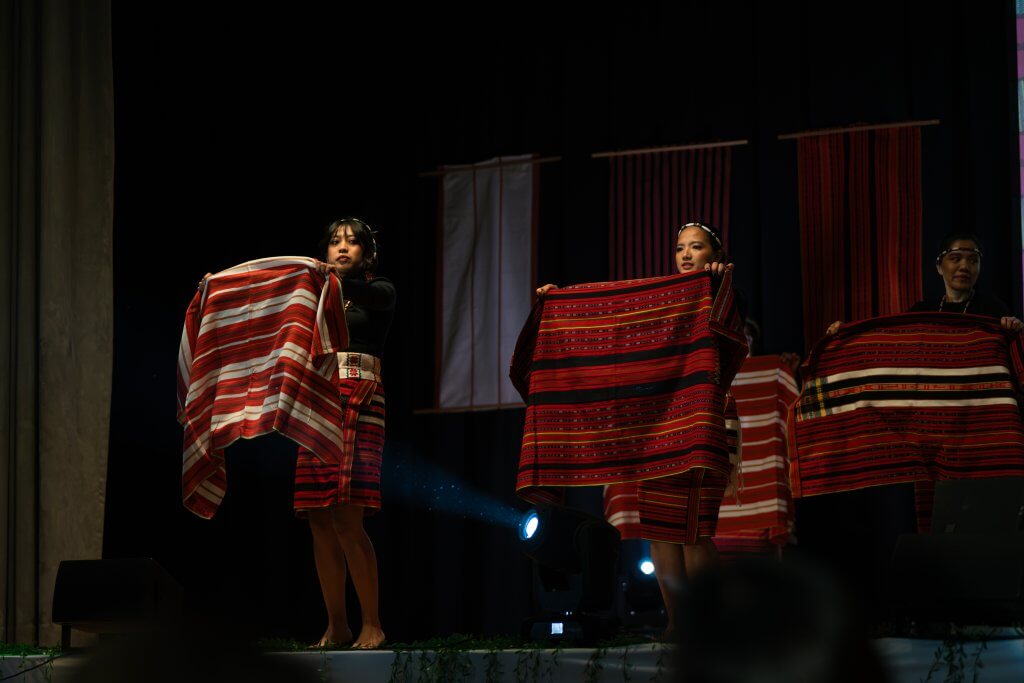
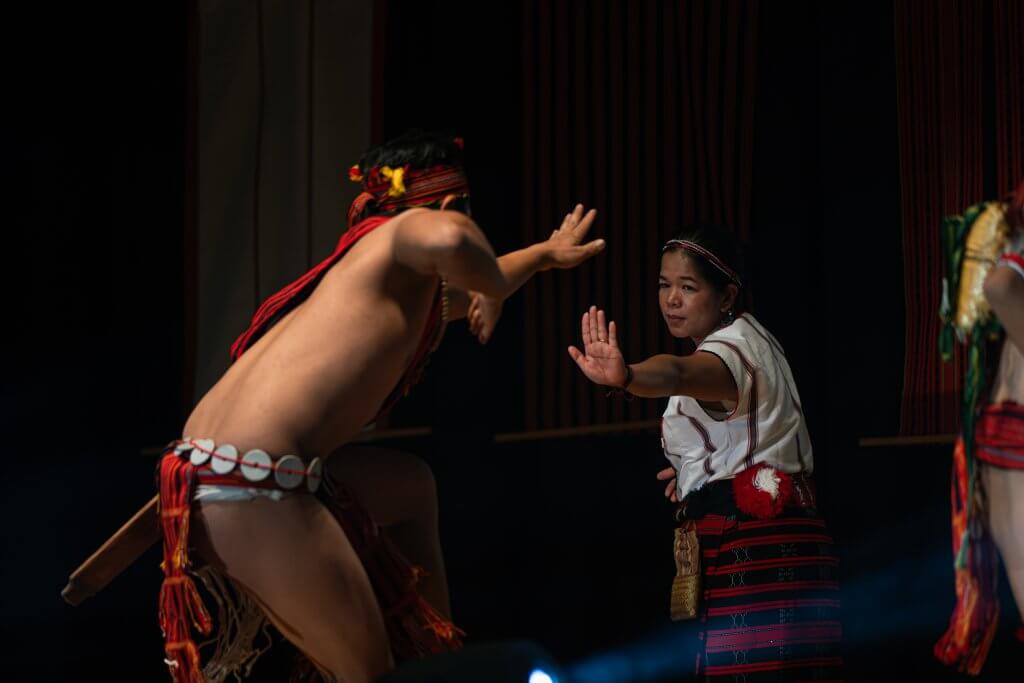
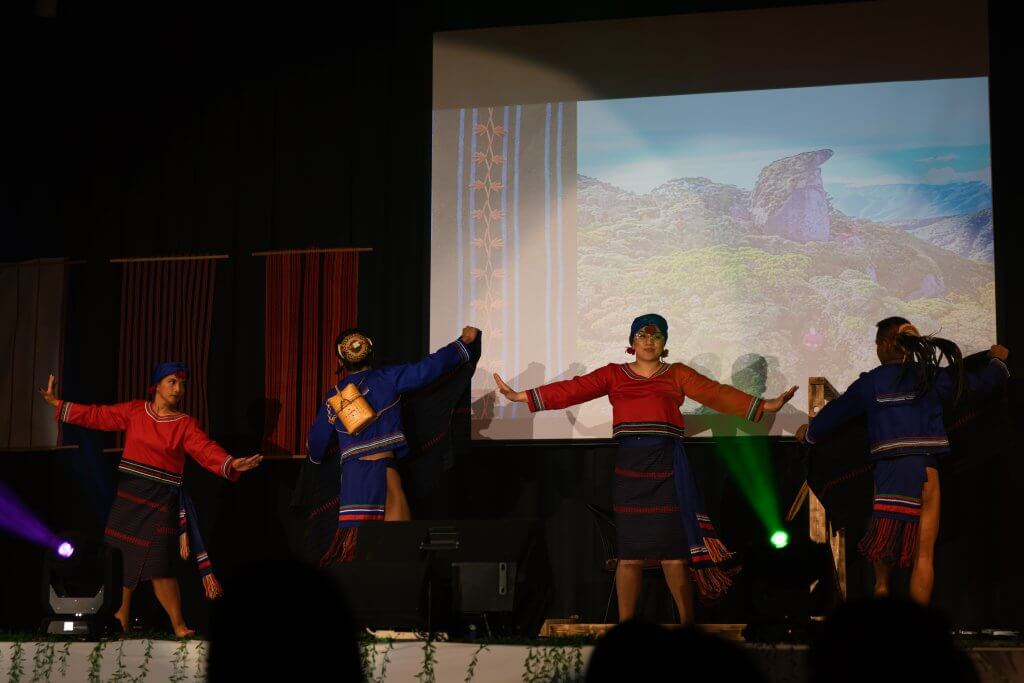
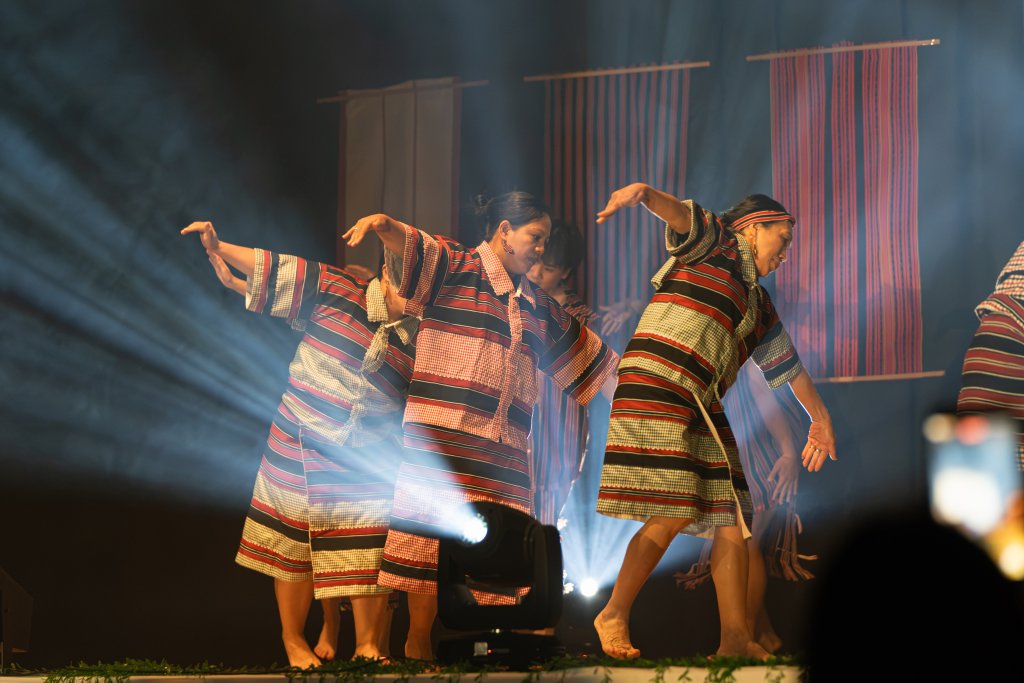
Against the rhythmic sounds of gongs and the colours of traditional woven garments, the opening act, The Cordillera Takes the Stage, brought audiences into the ancestral villages of Abra, Apayao, Benguet, Ifugao, Kalinga and Mountain Province.
Each province shared its distinct cultural identity through traditional attire and dances reflecting practices rooted in courtship, thanksgiving and communal celebrations.
Among the dances featured were Benguet’s Bindiyan, Ifugao’s Dinuyya and Kalinga’s Banga.
Bringing these traditions to the stage required months of collaboration with Indigenous cultural bearers.
In March, INAbelution and BIBAK Toronto convened a gathering in Concord, Ont., inviting community representatives to participate in shaping how their respective traditions would be portrayed.


For INAbelution managing director Gretchen “Shagami” Mangahas, involving Indigenous communities was a matter of respecting cultural ownership.
“Because in Indigenous communities, material culture is not individually owned, it is collectively owned,” Mangahas said.
The opening act established that behind every woven garment is a community with its own history, knowledge and traditions.
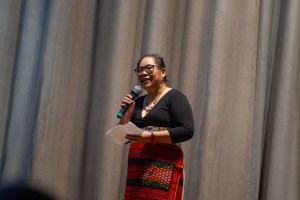
Katrina Borja-Martin, consul at the Philippine Consulate General in Toronto, acknowledged the significance of these textiles during her opening remarks.
“Every thread of inabel carries within it the memory, the resilience and artistry of our ancestors in the Cordilleras,” she said.
Act II – When traditions intertwine
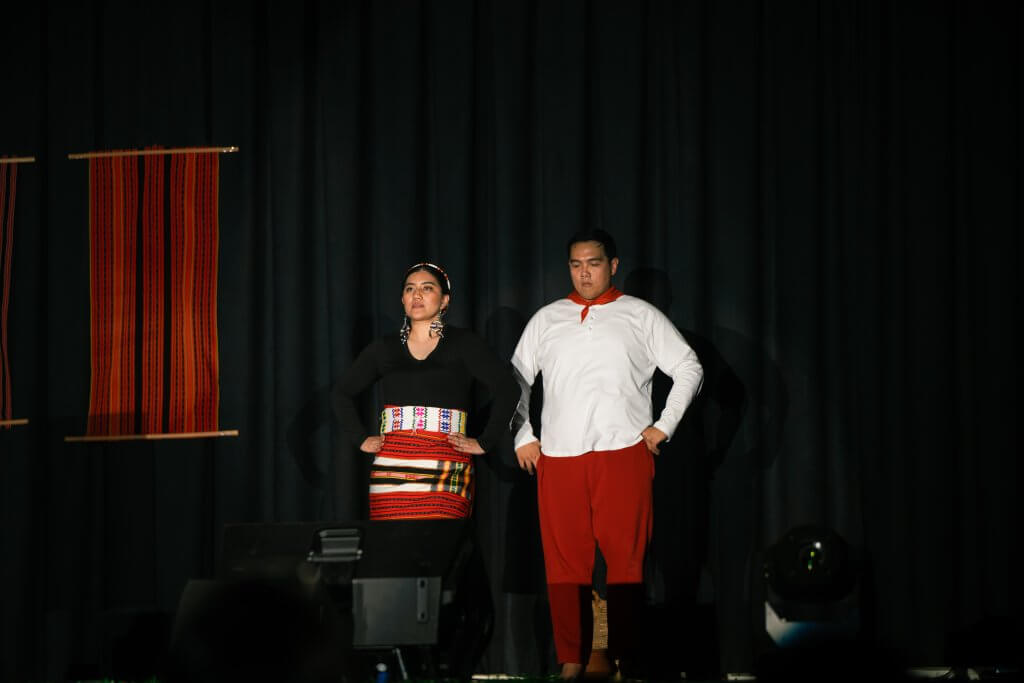


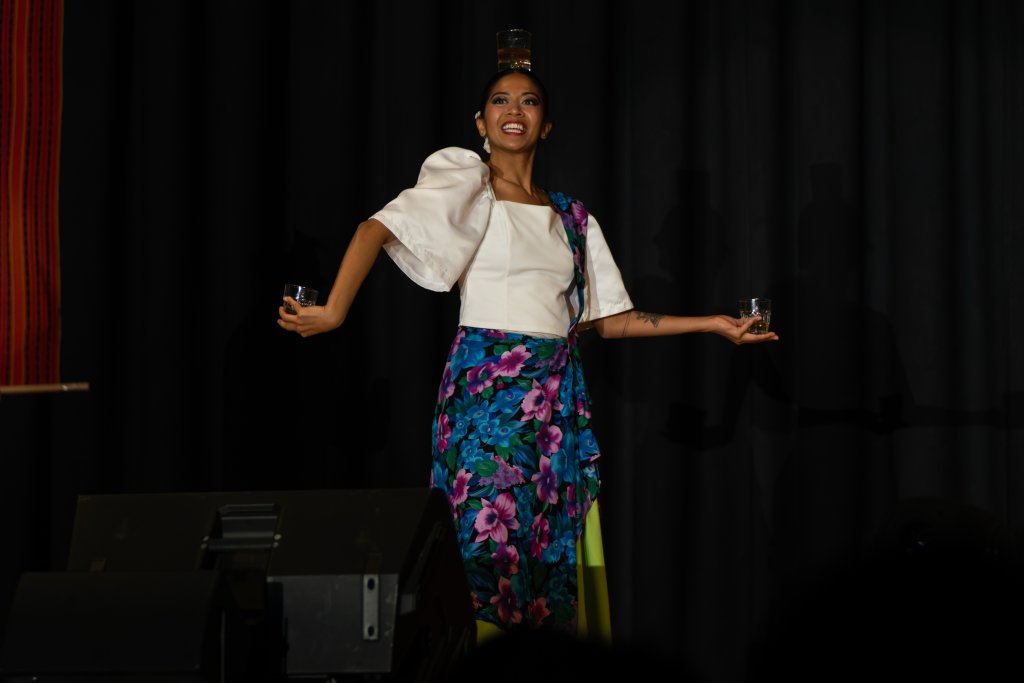

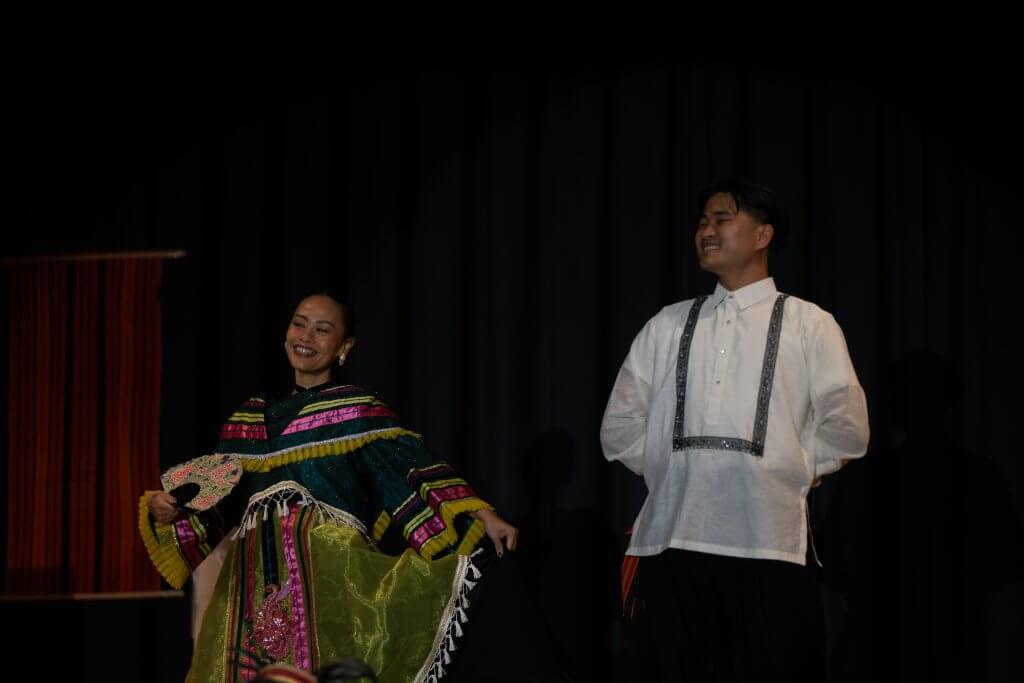
From the ancestral villages of the Cordillera, the production moved towards a story of love, marriage and cultural exchange.
Titled Embodying Inabel, the second act followed a love story that began in a public market along Cervantes Road, exploring the relationship between Indigenous highland communities and Ilocano lowlanders.
Through courtship and an eventual wedding, the production illustrated how encounters between different communities influenced the evolution of traditional textiles.
Woven fabrics found new expressions through bridal gowns, formal wear and contemporary clothing, reflecting how cultural traditions can adapt alongside changing societies.

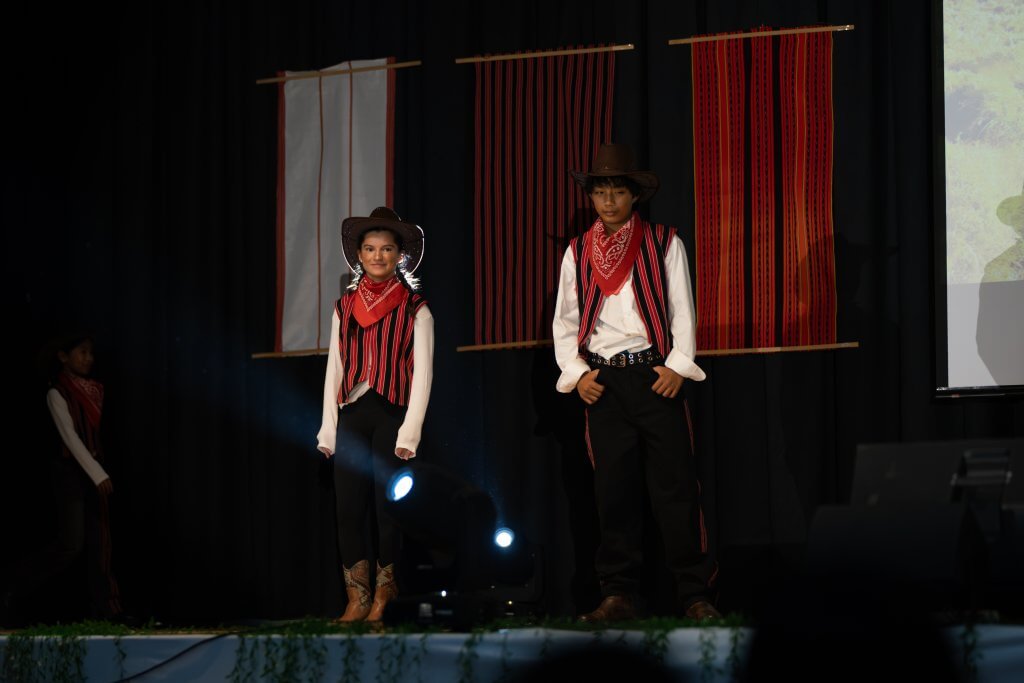
The act also explored the influences of American occupation and the integration of younger Igorots into wider Philippine society.
For Aryo, the evolution of Indigenous textiles presents an opportunity for cultural innovation, provided Indigenous communities retain a voice in determining their future.
“I want Igorots to be able to protect our own intellectual properties in our weaves, to be able to represent the stories and traditions behind them in diaspora, and to be able to shape the weaves’ evolution—where it can go, what it can be,” she said.
That vision extended to the production’s collaboration with fashion designers associated with George Brown Polytechnic, bringing Indigenous textiles into conversation with contemporary fashion.
Act III – Finding home across oceans
What happens to an inherited tradition when the people carrying it settle thousands of kilometres away from home?
The production’s final act, Inabel, Take Me Home, explored that question through the experiences of Igorots living in the diaspora.
Traditional textiles were incorporated through clothing inspired by Canada’s four seasons, reflecting how migrants adapt to unfamiliar surroundings while maintaining connections to their ancestral homeland.
A mother-and-daughter relationship illustrated the complexities of passing down cultural knowledge to children growing up outside the Philippines.
For Mangahas, maintaining an Indigenous identity abroad involves continually rediscovering one’s relationship with the past.
“Positioning the Igorot in the diaspora comes with a more profound context that requires learning, relearning and unlearning,” she said.


The responsibility of passing down that knowledge also lies with cultural bearers such as BIBAK president Johnson Aben, who has spent years teaching traditional dances within the Igorot community in Canada.
His commitment reflects a recognition that cultural preservation requires more than admiration for the past.
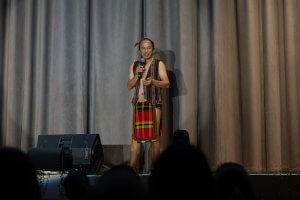
“Education is continual. We shouldn’t be content on what we see on social media. We should keep learning,” Aben said.
While the production celebrated centuries-old traditions, its final act looked towards a future and the role younger generations will ultimately play.
“Our heritage is not static,” Borja-Martin said.
“It is a living, growing force that evolves across generations and oceans.”
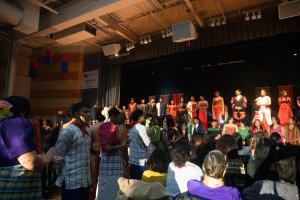
For the Igorot diaspora, inabel represents more than the fabric they wear. It carries the memories of the communities they came from, the identities they continue to nurture and the stories they hope their children will inherit.
For Aben, every opportunity to share his cultural knowledge comes with a reminder that time is not promised.
“I always go, because who knows,” he said.
“What happens when I’m gone?”
 Luis Miguel De Castro is a Changing Narratives Fund-Local Journalism Initiative reporter at Mabuhay Canada and a journalism graduate at Humber Polytechnic in Toronto. Originally from the Philippines, he is passionate about community storytelling, multimedia journalism, and amplifying Filipino voices through meaningful local coverage.