Touted as the ultimate date night movie, “The Loved One”, released around Valentine’s Day, is not the romcom movie Filipinos would happily swoon over.
Sure, there’s the cast: heartthrob Jericho Rosales as “Eric”, pretty actress and host Anne Curtis as “Ellie”, and beloved Miss Universe 2018 Catriona Gray in her debut role.
However, “The Loved One” isn’t your typical Filipino fare—boy meets girl, they fall in love, get married, have kids, toss in a conflict or two, and boom, the credits roll.
Instead, “The Loved One” is a thought-provoking, sometimes confusing (due to its non-linear flashbacks), beautifully-shot-and-acted movie.
Two things the movie guarantees: bringing in the crowd—due to its cast starpower—and raising a whole lot of discussion.
A discussion on whether you just wasted your hard-earned $12.99, your precious 116 minutes, or more importantly, a discussion around the character’s viewpoints.
It could potentially infuriate those whose marriage views are traditional, or get an understanding nod from those who are “rebels” (as Ellie herself points out).
There are many questions raised about love: are you the lover or the loved one?
Should loving someone guarantee they’re going to stay with you, marry you or be content with being in love?
“Dahil ako ang nagmahal, ako ang laging naghihintay,” Eric says in voice-overs more than once.
(Because I’m the lover, I must always wait.)
Wait ten years, in fact, for Ellie, his live-in girlfriend, to commit to marriage.
Question is: was it worth the wait?
The movie starts in black and white: Eric is shown waiting at an upscale Filipino restaurant for Ellie to arrive.
Then we see quick flashbacks in vivid colour, and the story unfolds as it jumps back and forth in time, often confusing the audience.
The trick? Watch Ellie’s hair: the shorter it is, the further back in time it happened.
An exercise in Patience
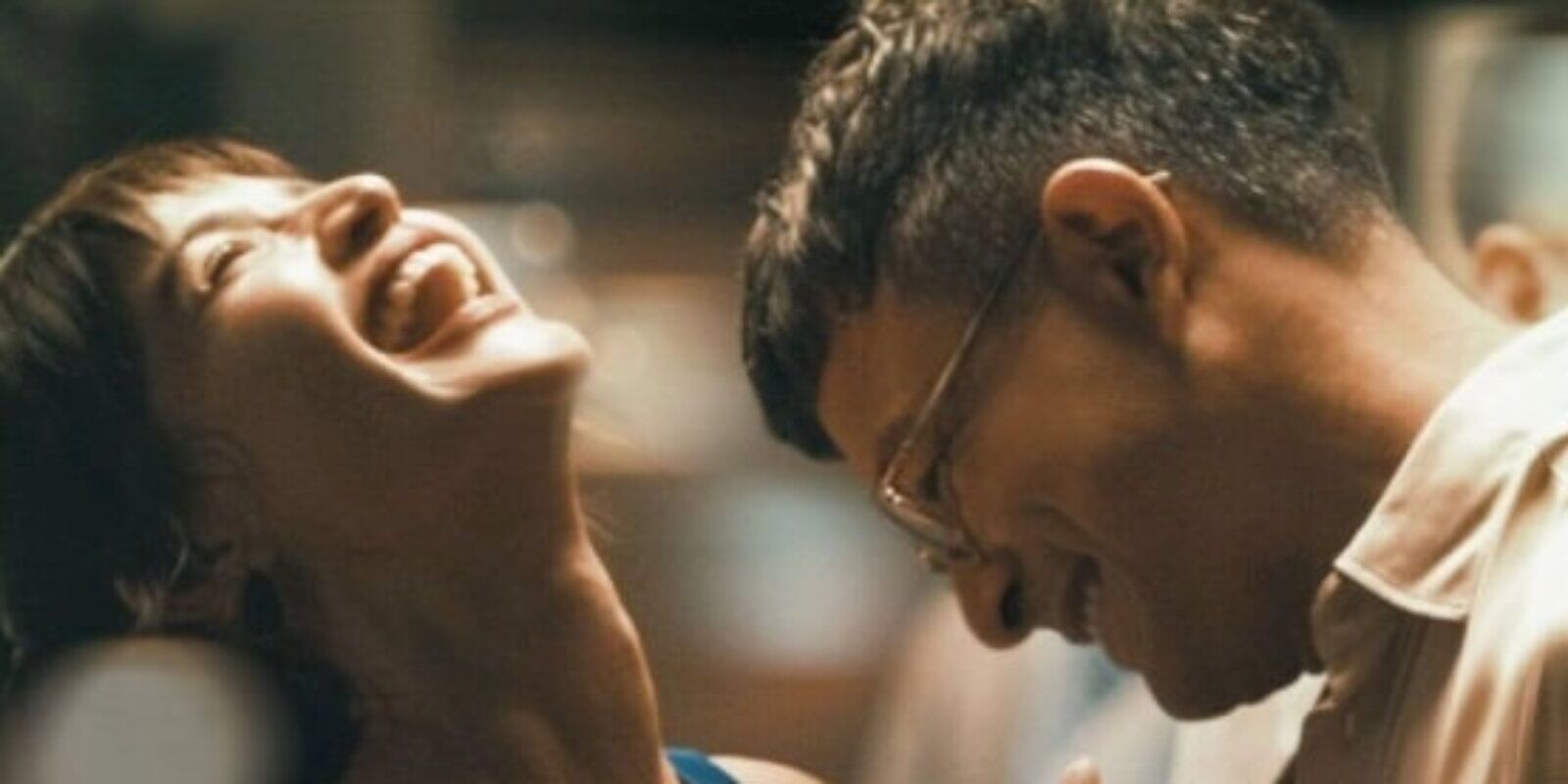
Shots linger on close-ups of the characters: smiling into the camera, gazing into each other’s eyes, shifting uncomfortably in their seats, communicating their emotions through small actions.
Minutes tick painfully by—perhaps that’s the point of the movie—it’s time wasted on indecisions.
Similar to Scarlett Johansson and Adam Driver’s “Marriage Story”, this is the Filipino equivalent of watching a relationship crumble in slow motion.
We try to figure out what caused the rift. Is it Ellie’s desire not to be “trapped” in marriage, as she painfully points out?
Is it Eric’s inexplicable loyalty and devotion to someone who clearly doesn’t value him as much as he values her?
Does love need to be “equal” to be successful?
Ellie acts as the ultimate Filipino “Karen”: privileged, beautiful, rich, educated, yet unsatisfied with the smorgasbord of choices she is afforded.
She has, after all, the love of a devoted boyfriend, one who’s good-looking, accomplished, loyal, rich, and wants nothing more than to marry her.
Yet, she hesitates, leaving Eric with a day’s notice, to work abroad for a few months without a care in the world.
Eric has blinders on, trained only on Ellie, yet there’s Catriona Gray’s character who’s understanding and clearly interested in him.
Perhaps the issue here is that they’re dealing with first world problems of boredom, dissatisfaction, and struggling with principles and ideals.
There’s no struggle to put food on the table, no big issues to contend with, just an endless parade of bougie restaurants and parties.
If it were made for the average Filipino, it would end with Eric and Ellie happily together, but it’s clearly made for critics, who’ll praise its plot, cinematography, and lead performances.
“The Loved One” lingers because it offers no neat resolution: just the messy, sometimes maddening truth that relationships are complicated, hard to fathom, and can even feel like a waste of time.