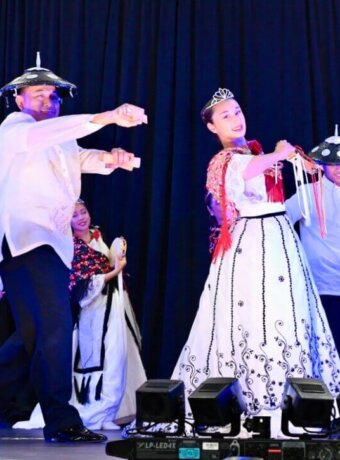
Filipino creators, filmmakers and journalists gathered at Toronto City Hall on Aug. 18 to discuss how Filipinos can take greater ownership of their stories and challenge traditional ideas of representation.
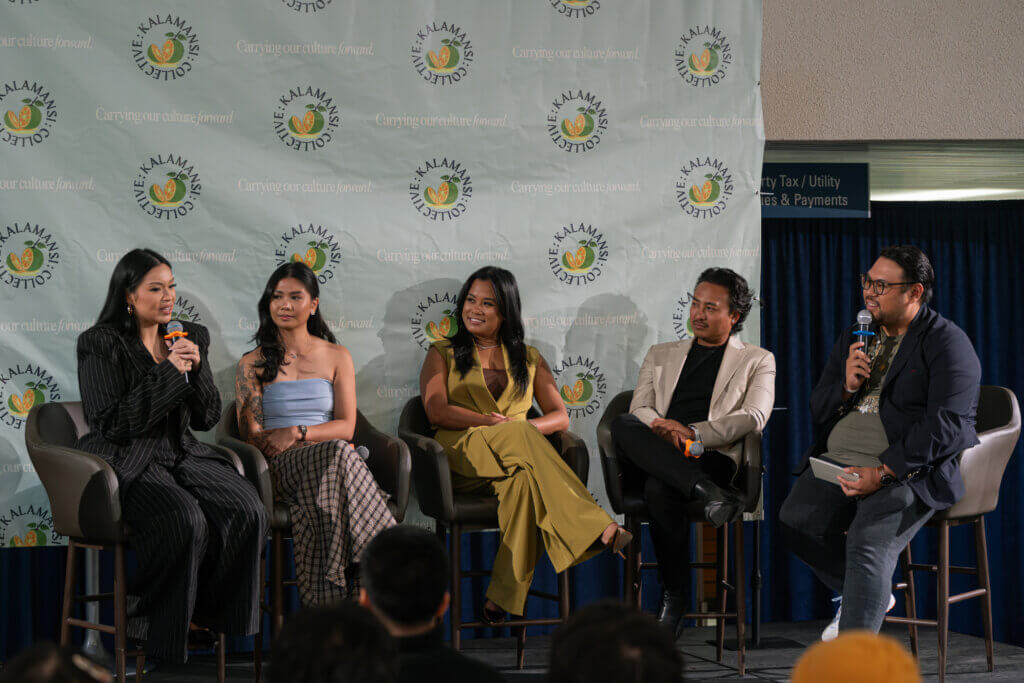
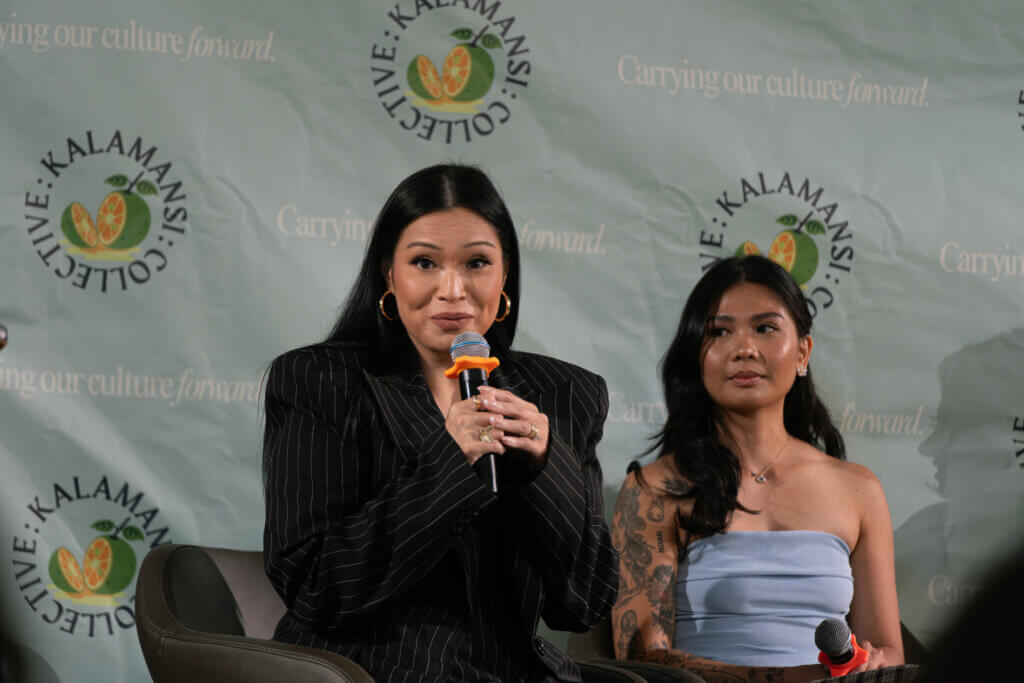
Kalamansi Chats: Owning the Narrative brought together digital creator Kay, beauty creator and entrepreneur Glamzilla, film producer Michaelangelo Masangkay and CTV News Ottawa journalist Jackie Perez for a conversation about identity, culture and storytelling.
The Aug. 18 panel was organized by Kalamansi Collective in partnership with the Philippine Independence Day Council and Mabuhay Festival, and moderated by Kalamansi Collective founder Kris Pangilinan.
Toronto Mayor Olivia Chow also attended and delivered opening remarks recognizing the Filipino community and the role of storytelling in the city.
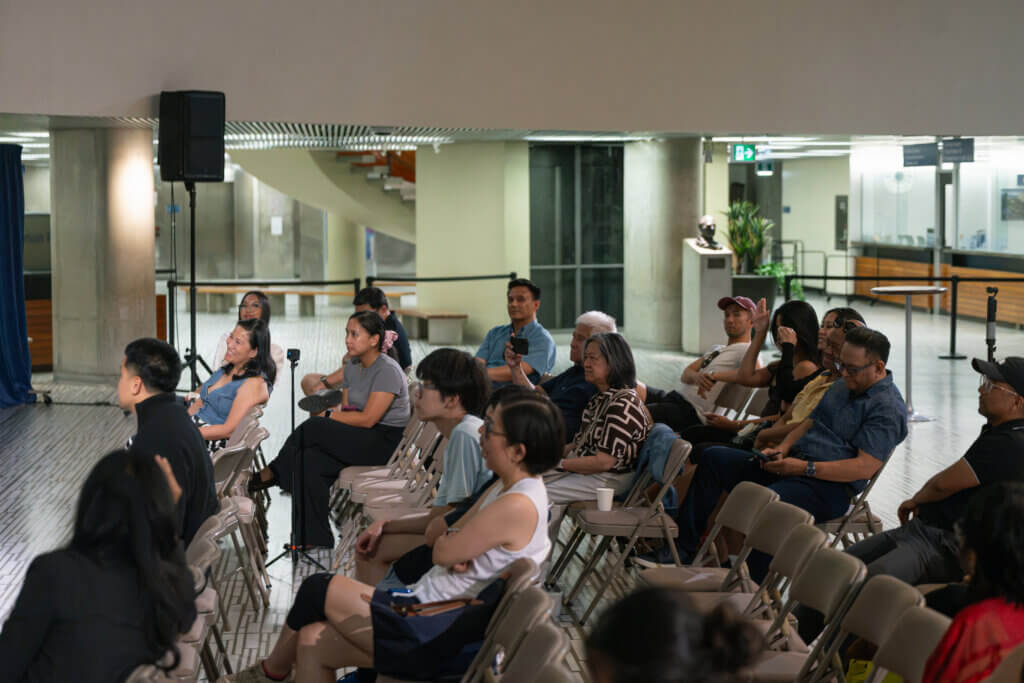
Pangilinan said this year’s theme allowed creators working in different fields to discuss how Filipinos are telling their own stories.
“We really wanted to give that opportunity to them and what other ways to talk about it than talking about owning narratives and how we tell stories in different ways, whether it’s through film or content creation or on the news,” Pangilinan said.
For Pangilinan, creating Filipino-led platforms is also about giving the community space to put its work and ideas forward.
“Because for the longest time Filipinos have always been seen as an afterthought or in the back,” he said. “And this is a time for us to shine.”
That idea carried through the panel as the speakers reflected on how their Filipino identities have shaped their careers and the stories they tell.
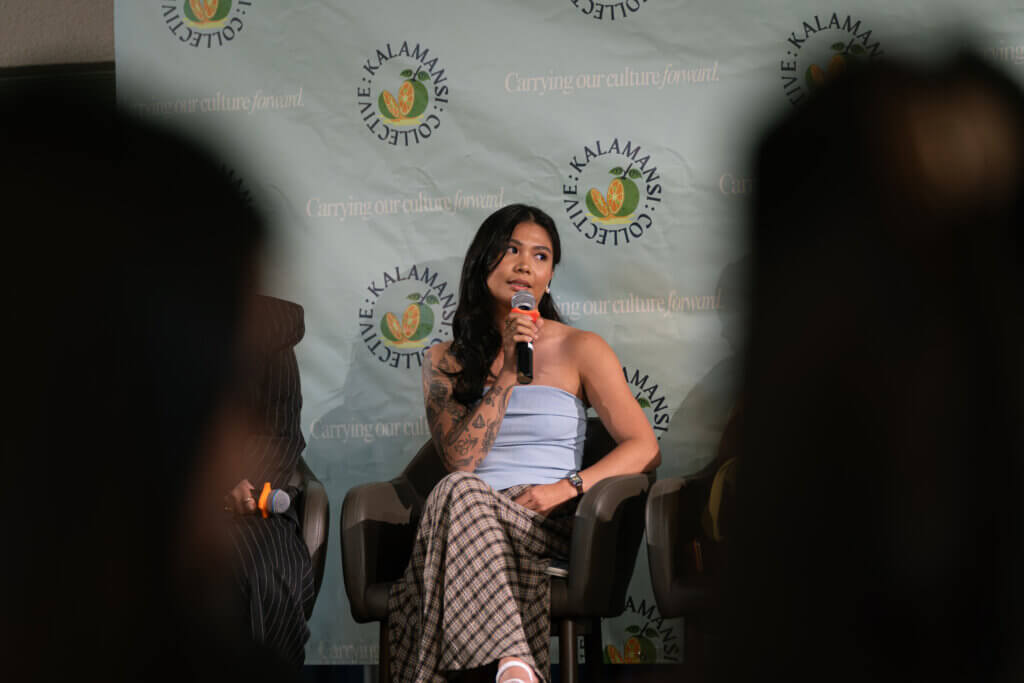


Perez said growing up in the Greater Toronto Area meant she saw journalists of colour on television, but working in other parts of Canada showed her that representation was not the same everywhere.
She said being represented on screen matters, but journalists also have a responsibility to tell stories well.
“It’s not just about having the appearance there, but being able to do the job,” Perez said.
“I think that’s more important, being able to tell people’s stories.”
While Perez works in traditional media, Kay has built an audience of more than one million followers through social media, sharing content centred on food, humour and Filipino culture.
Despite reaching an international audience, Kay said she does not feel pressured to make her Filipino content more marketable or easier for others to understand.
“I do the content because I love it,” Kay said. “I do it on my own pace, on my own time, and on my own timetable.”
That approach has allowed Kay to openly incorporate her Filipino identity into her work while maintaining the personality that helped build her audience.
“I scream to the world that I’m a Filipino and I’m so proud to be one,” she said.
For Valentine, known online as Glamzilla, owning her story has also meant changing the way she views her Filipino identity.
Valentine recalled being embarrassed growing up by parts of Filipino culture, including the food she brought to school and the smell of Filipino food at home.
As she grew older, those feelings developed into pride.
“My acceptance of being Filipino and my pride of being Filipino has grown throughout the years,” Valentine said.
“When I accepted and learned that, it was beautiful.”
Valentine said those experiences have also taught her there is no single way to define Filipino identity.
“We are able to connect and understand that Filipino comes in all shapes and forms and not one Filipino experiences like another,” she said.
“And that’s the beauty of being Filipino.”
The conversation also turned to film and the importance of creating spaces where Filipino filmmakers can find support and audiences for their work.
Masangkay, president of the Siné Institute and founder of Siné Film Fest, said producing a film is only one part of getting Filipino stories in front of viewers.
“You should also know creative distribution of that production,” Masangkay said.
“So you’re finding the audience, finding the community, building the community so that they get fresh perspective.”
For Pangilinan, the discussion was part of a larger goal for Kalamansi Chats, which is now in its third year and fifth edition.
He said he wants future panels to continue addressing topics affecting Filipinos that may not always be openly discussed, with the hope that conversations on stage can lead to something beyond the event.
“There is a ripple effect when it comes to that,” Pangilinan said. “That can start with just the conversation that you hear on stage.”
 Luis Miguel De Castro is a Changing Narratives Fund-Local Journalism Initiative reporter at Mabuhay Canada and a journalism graduate at Humber Polytechnic in Toronto. Originally from the Philippines, he is passionate about community storytelling, multimedia journalism, and amplifying Filipino voices through meaningful local coverage.