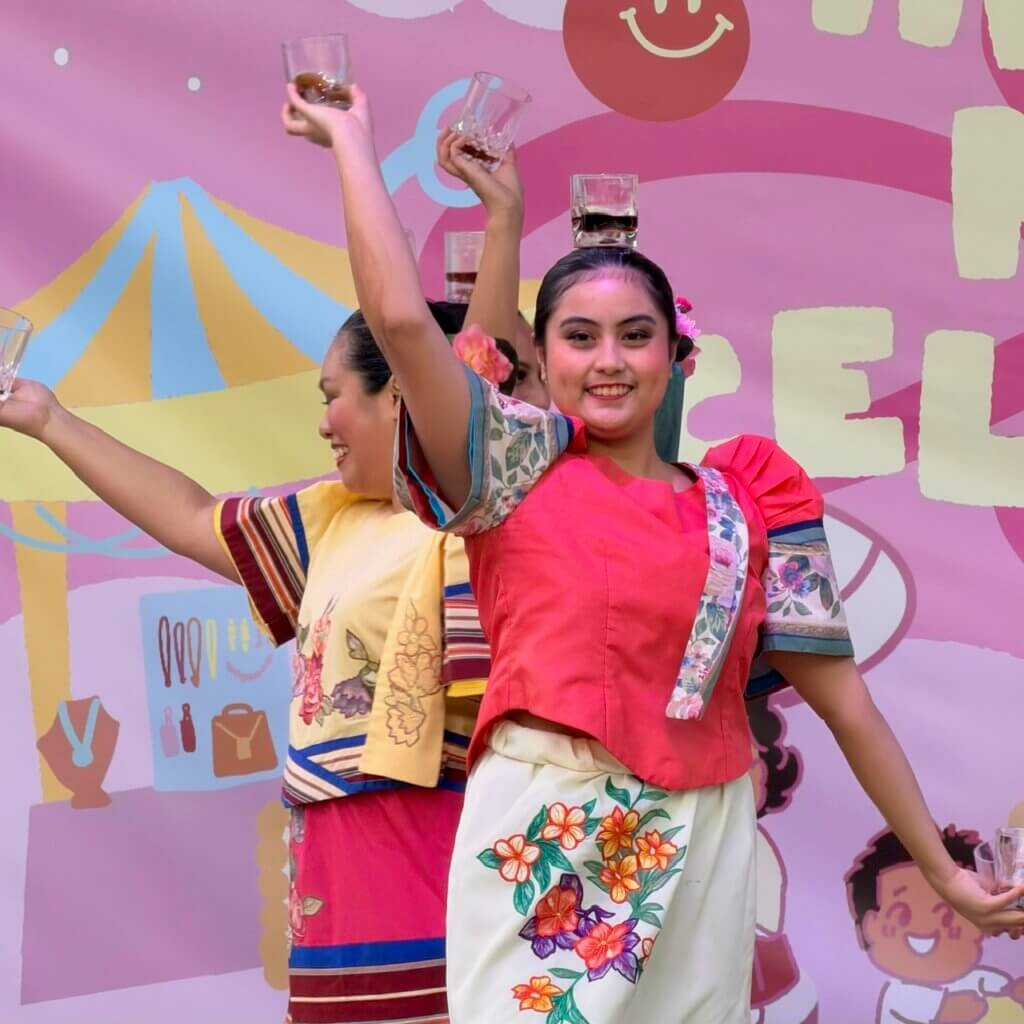
Fiesta Filipina Dance Troupe of Canada is celebrating 60 years of dance in Canada, with a new generation of dancers carrying its legacy forward in the Greater Toronto Area.
Founded in 1966 by Filipino immigrants, Fiesta Filipina has grown into Canada’s longest-running Filipino dance company.
The organization showcases Philippine culture through performances across Canada and internationally.
For president Fanny Calucag, the anniversary is not just about celebrating the organization’s history but ensuring its traditions continue for generations to come.
Dance origins
Calucag first encountered Fiesta Filipina’s founders, George and Estrellita Aguinaldo, during a Filipino community convention in the 1970s.
At the time, she was living in Kingston, Ont., where she and other Filipino families had started their own cultural performing group.

When she approached Fiesta Filipina for assistance, its members travelled to Kingston to conduct dance workshops for the children.
“They came to Kingston and did dance workshops,” Calucag recalled.
“They wanted to make sure that young Filipinos in Canada would know more about our culture.”
Her connection with the troupe eventually became a family affair.
Her son joined Fiesta Filipina’s band at 14, travelling from Kingston to Toronto for rehearsals.
When the family moved to Toronto in 1998, Calucag became actively involved in the organization.
Today, she leads the volunteer-run troupe, which trains dancers as young as five through junior, intermediate and senior groups.

Passing traditions to younger generations
For Calucag, preserving traditional Filipino dances remains central to Fiesta Filipina’s mission.
Unlike groups that incorporate modern interpretations, she said Fiesta Filipina has remained committed to presenting traditional performances.
Its productions take audiences through different regions and periods of Philippine history, highlighting Indigenous traditions, Spanish colonial influences and the cultures of Mindanao.
But keeping younger Filipino Canadians interested in their heritage is not always easy.
“That’s something that we’re trying hard to do because it’s still hard to do it. We try our best,” Calucag said.
The organization holds monthly gatherings called “Tambayan” to encourage community participation and create opportunities for younger members to connect.
Calucag said some participants attend once but do not return, making continued outreach important.
Despite these challenges, she has seen younger members take on greater responsibilities, including positions on the board of directors.
She hopes their involvement will help secure the organization’s future.
A home for Filipino culture
Fiesta Filipina operates the Fiesta Filipina Centre for the Arts at 5170 Dixie Rd. in Mississauga.
The centre hosts regular Sunday dance rehearsals and provides space for other community organizations to hold activities.
Calucag said the troupe sometimes makes the facility available free of charge, depending on the activity.
For her, having a physical space allows more people to experience Filipino traditions beyond the stage.
“It means opening up and recognizing their culture,” she said.
“You learn about the culture, which is good for everyone, making it very multicultural.”
Fiesta Filipina also participates in Brampton’s Carabram Multicultural Festival, where its Philippine Pavilion introduces Filipino performances to audiences from different cultural backgrounds.
Looking beyond 60 years
As Fiesta Filipina enters its seventh decade, Calucag hopes to strengthen collaboration with other Filipino cultural organizations, including Folklorico Filipino Canada.
She also recognizes that younger volunteers often balance their involvement with careers and family responsibilities.
Rather than pressure them, she said the organization tries to create an environment where members can contribute when their schedules allow.
Looking ahead, Calucag hopes Fiesta Filipina will be remembered for introducing Philippine traditions to both Filipino Canadians and people from other backgrounds.
“We’re hoping that these young people will love our country and will have a special place in their hearts,” she said.
 Luis Miguel De Castro is a Changing Narratives Fund-Local Journalism Initiative reporter at Mabuhay Canada and a journalism graduate at Humber Polytechnic in Toronto. Originally from the Philippines, he is passionate about community storytelling, multimedia journalism, and amplifying Filipino voices through meaningful local coverage.