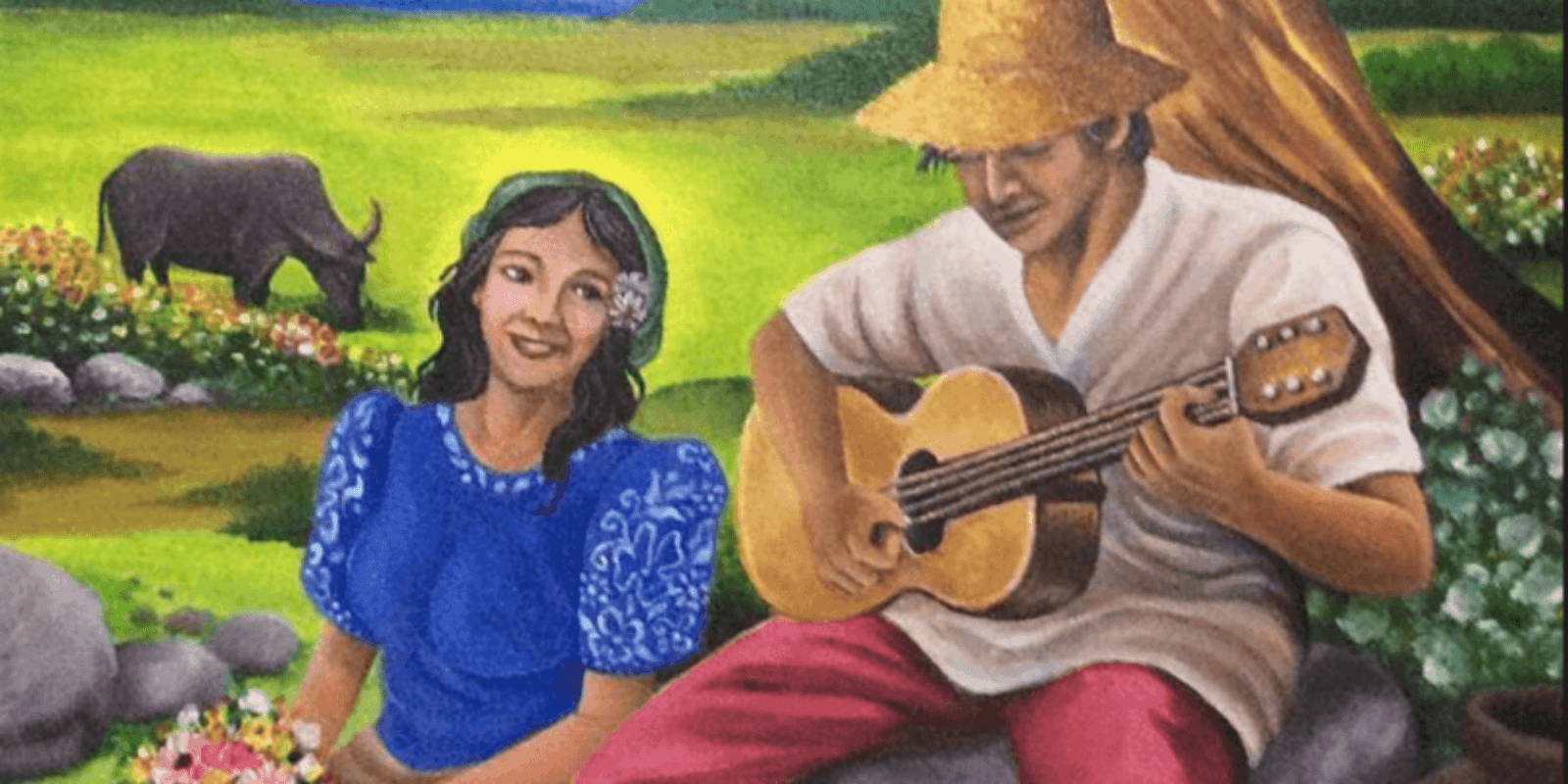
Whether it’s through harana (serenade), pamanhikan (formally asking for a woman’s hand in marriage), or the long and patient process of panliligaw (traditional courtship), Filipinos have been celebrating love in unique and meaningful ways for generations.
This Valentine’s season, let’s take a look at the romantic traditions that make Filipino love stories so special—where love isn’t just about two hearts, but about family, culture, and a whole community cheering you on.
Ready to dive into the fun and heartfelt world of Filipino romance? Let’s go!
Harana: The OG TikTok?
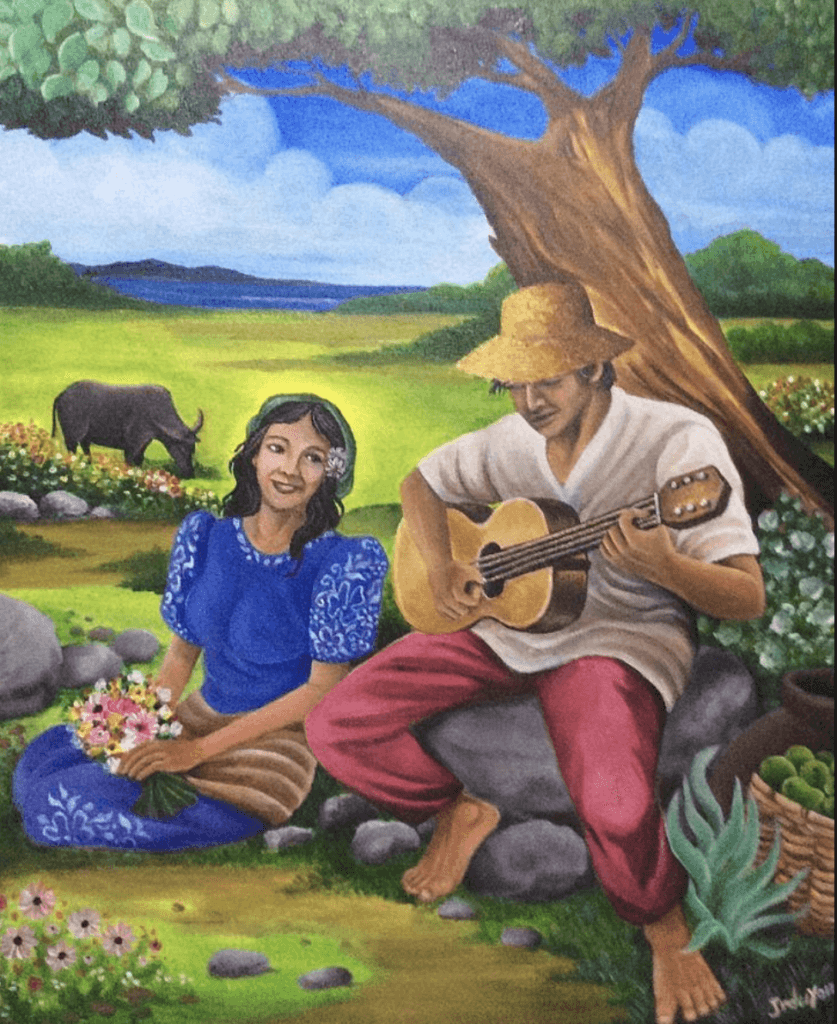
Forget sliding into DMs—back in the day, if a guy wanted to impress a girl, he had to serenade her under the moonlight.
This was called harana, the ultimate test of bravery, vocal skills, and pure dedication.
Armed with nothing but a guitar (or a friend who could actually play one), a suitor would stand outside his beloved’s window and sing heartfelt love songs.
The goal? To melt her heart, impress her parents, and hopefully not get chased away by her strict father or an annoyed neighbor.
If the girl liked what she heard, she’d step outside, maybe even invite the suitor in for a chat.
If not? Well… let’s just say some guys went home with bruised egos.
Today, harana may not be as common, but the idea of grand romantic gestures is still very much alive—just in the form of karaoke, flash mobs, surprise love letters, personalized Spotify playlists and yes, even TikTok serenades.
Panliligaw: The Long Game of Love
In many cultures, dating can be as easy as asking someone out for coffee.
But in the Philippines, panliligaw (courtship) is a serious and often long process.
Traditionally, a man had to visit the woman’s home regularly, bring gifts, run errands for her family, and even do household chores—just to prove he was worthy of her love.
Imagine this: you like a girl, so instead of just texting her, you end up cleaning her backyard, running to the market for her mom, and carrying sacks of rice for her grandma.
If that’s not commitment, I don’t know what is!
While modern dating has made things a little easier (thank you, technology), many Filipino men still practice a more gentlemanly approach: showing consistent effort, respecting the family, and making sure they win not just the girl’s heart but also her parents’ approval.
Asking for Her Hand: The Ultimate “Lodi” Move
Even in today’s modern world, many Filipino men still uphold the tradition of formally asking for a woman’s hand in marriage.
And no, this isn’t just about buying a ring and proposing in a fancy restaurant.
A proper Filipino proposal starts with the family.
Before popping the big question, the groom-to-be must have a conversation with the bride’s parents (especially her dad) to seek their approval.
This gesture shows respect, sincerity, and the willingness to be part of the family.
While this tradition isn’t always strictly followed anymore, many Filipino families still appreciate a man who takes the time to do this.
Of course, if the parents say yes, then the groom can proceed with an epic, Instagram-worthy proposal.
If they say no? Well… better luck next time, lodi (idol spelled backwards).
Pamanhikan: “Meet the Parents” but Filipino Style
Before a man can marry the love of his life, he has to do pamanhikan, which is basically a high-stakes version of “Meet the Parents.”
In this tradition, the groom-to-be and his entire family visit the bride’s home to formally ask for her parents’ blessing.
Sounds simple? Not quite!
This visit isn’t just about asking for permission—it’s about proving that the groom’s family is worthy.
There will be a feast (because what’s a Filipino gathering without food?), awkward small talk, and possibly even wedding planning right then and there.
The best part? If the bride’s family likes the groom, they might jokingly make him wash the dishes or chop firewood just to see how hardworking he is.
No pressure, right?
Other Pre-Wedding Rituals
Aside from pamamanhikan, some Filipino families also practice bigay-kaya, which is a symbolic dowry given by the groom’s family.
While this practice is no longer required, some traditional families still do it as a way to honour old customs.
Sure, love in the Philippines can come with extra steps (and extra relatives to impress), but in the end, all these traditions make it even more special.
After all, when you love a Filipino, you don’t just get a partner—you get a family, a community, and a love story worth telling for generations.