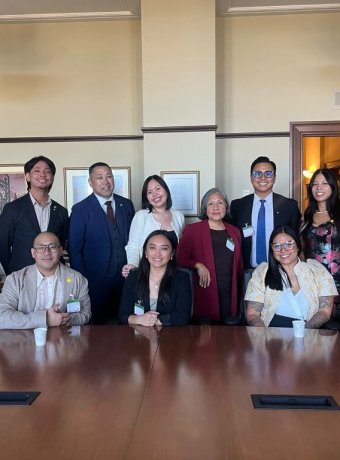
Participants at a Toronto workshop on Oct. 18 learned how small changes to their finances and eating habits could improve their overall well-being.
Held at Bang Fitness on Walnut Avenue, Sweat and Sweldo brought together Filipino Canadians for an afternoon of physical exercise, financial literacy and nutrition education led by financial coach Brandon Benzon and fitness and nutrition coach Miles Suing.
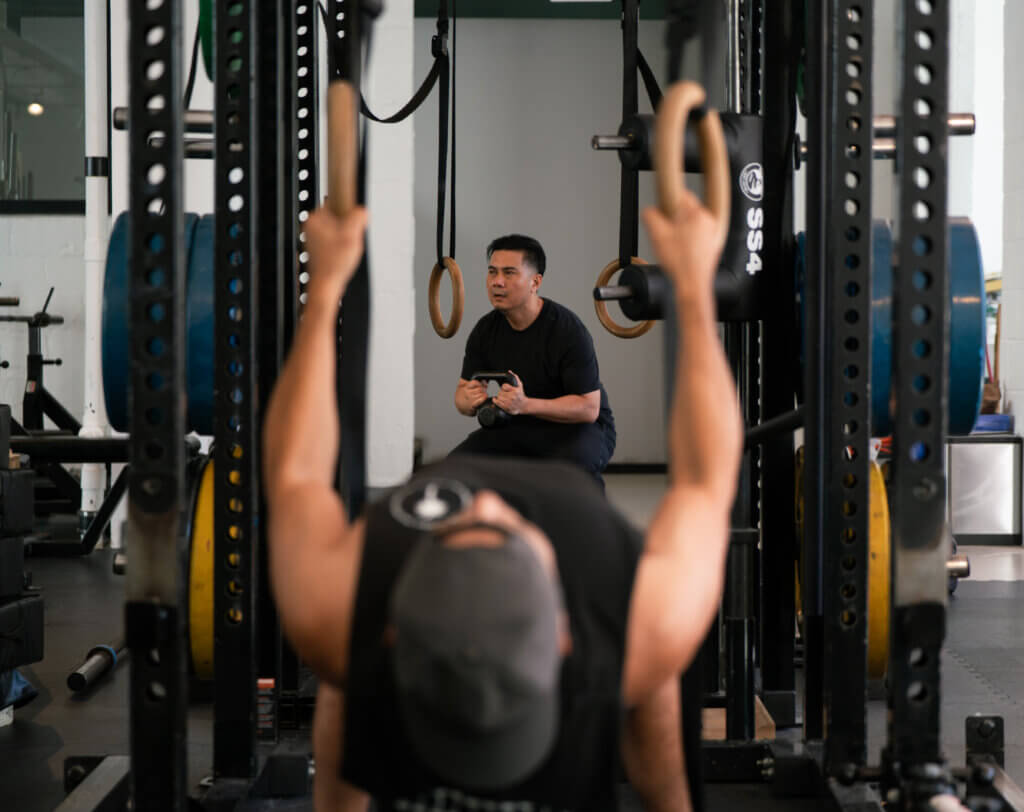
The workshop began with a 45-minute strength-based workout led by Suing.
Attendees took part in exercises before transitioning to Benzon’s Sweldo Survival Guide session on managing debt and saving money.
The afternoon concluded with a nutrition workshop exploring healthier approaches to traditional Filipino food.



Financial conversations a challenge
For Benzon, who has worked in the financial services industry for more than a decade, one of the biggest challenges is encouraging people to speak openly about money.
During his session, he asked participants to reflect on their relationship with money and rate their financial knowledge on a scale of one to 10.
He also invited them to consider why financial conversations can be uncomfortable within Filipino households.
“Why is the conversation of money so hard to bring up amongst Filipinos and the people that are in the community?” Benzon asked.
One participant suggested that avoiding confrontation could be a contributing factor, prompting a broader discussion about how financial concerns are sometimes left unaddressed.
Benzon said his experience working with Filipino clients has shown him how a lack of financial guidance can leave people uncertain about managing debt and saving.
Rather than focusing solely on financial literacy, he explained that he wanted attendees to leave with practical knowledge and tools they could apply to their everyday lives.
“We can be able to be financially literate, but the theme of today is becoming financially resilient,” Benzon said.
Common financial mistakes
His presentation covered common credit card mistakes, including missing payments, carrying high balances and failing to monitor interest rates or total debt.
“It pays to pay attention,” Benzon said, emphasizing the importance of understanding one’s financial situation before making decisions.
He introduced two approaches to debt repayment: the snowball method, which prioritizes smaller balances, and the avalanche method, which focuses on debts with the highest interest rates.
Participants also learned about building emergency savings, setting financial goals, and understanding Canadian savings and investment accounts, including TFSAs, RRSPs, and first-home savings accounts.
Throughout the discussion, Benzon used examples from Filipino family life to make financial concepts more relatable.
Like bringing home leftovers
He compared setting aside savings to the familiar habit of bringing home leftovers from Filipino gatherings, encouraging participants to apply a similar mindset to managing their earnings.
The conversation also touched on how family experiences, including negative experiences with money, can shape financial habits.
Benzon said the purpose of financial planning is to help people take control of their money rather than allow financial pressures to dictate their decisions.
“I’m teaching you how to have control over money and your overall finances rather than the money controlling you,” he said.
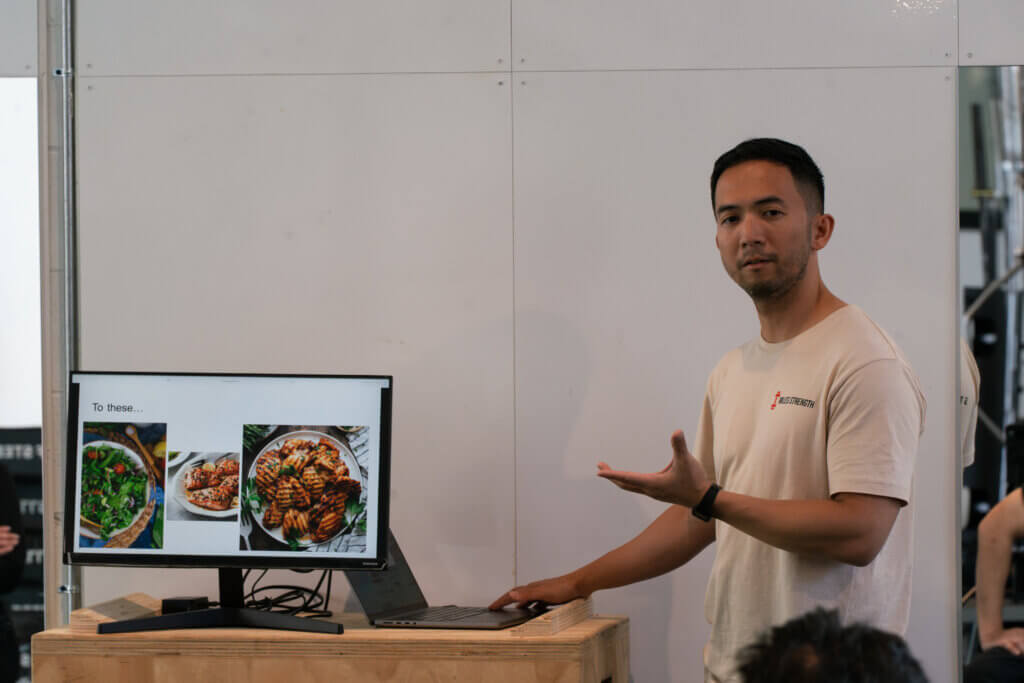
Following the financial literacy session, Suing returned to lead the final workshop of the afternoon, challenging another familiar assumption that Filipino food is inherently unhealthy.
He asked participants how often they ate Filipino dishes and how they would describe the cuisine.
Rice, carbohydrates, salty dishes and oily food were among the responses.
Suing said perceptions of healthy eating are often shaped by people’s surroundings, recalling how he stopped eating rice during his early university years after becoming accustomed to Western food.
He later reconsidered that decision as he reconnected with Filipino friends and familiar dishes.
Using meals such as adobo and traditional Filipino breakfasts, Suing demonstrated how people could adjust portions and ingredients while preserving the foods they grew up eating.
He encouraged participants to build meals around their ulam, or main dish, while incorporating more vegetables and paying attention to rice portions.
For example, he suggested adding vegetables to adobo or combining different cuts of chicken rather than completely replacing familiar recipes.
The goal, he explained, was to make gradual changes that people could realistically maintain.
“You want to start with what you already have or what you’re doing and what you can do daily,” Suing said.
He cautioned against restrictive diets that require people to abandon their usual eating habits, arguing that extreme changes can be difficult to sustain.
Importance of flexibility
Suing also discussed the importance of flexibility, including allowing room for occasional indulgences during family gatherings or meals outside the home.
For Filipino Canadians, he said, healthier eating should not mean abandoning cultural traditions or feeling pressured to refuse every meal offered by relatives.
“You have a lot of control over what’s on your plate,” he said.
The two educational sessions drew parallels between physical and financial health, particularly the importance of understanding current habits, setting realistic goals and making consistent adjustments.
During the financial discussion, one participant emphasized the importance of writing down debts rather than relying on estimates, comparing the process to setting clear fitness goals.
Benzon returned to that comparison near the end of his presentation, noting that both financial planning and exercise benefit from having a structured approach.
“Everything was structured and tiered. We knew what to do with the sled pulls.”
“We knew what to do when it came to the pull-ups and the workouts,” he said, drawing parallels between the afternoon’s workout and setting financial goals.
For Suing, the message was also about maintaining a connection to Filipino identity.
“You don’t have to give up what you grew up with,” he said, encouraging participants to approach their meals more intentionally rather than eliminate traditional dishes altogether.
 Luis Miguel De Castro is a Changing Narratives Fund-Local Journalism Initiative reporter at Mabuhay Canada and a journalism graduate at Humber Polytechnic in Toronto. Originally from the Philippines, he is passionate about community storytelling, multimedia journalism, and amplifying Filipino voices through meaningful local coverage.