


A self-defence workshop in Scarborough on Oct. 17 gave members of the Filipino-Canadian community hands-on training in personal safety, with lessons rooted in Filipino martial arts.
The workshop was organized by Filipino-Canadian advocate Kate Patrieze Luna as part of her Protect Hearts, Protect Paws advocacy.
The workshop brought together participants, most of whom were members of the IPEN pageant community, for practical safety training led by JB Ramos of Combat Science.
The event introduced participants to empowerment self-defence, an approach that combines situational awareness, verbal communication and physical techniques to help people recognize and respond to potentially dangerous situations.
Positive feedback
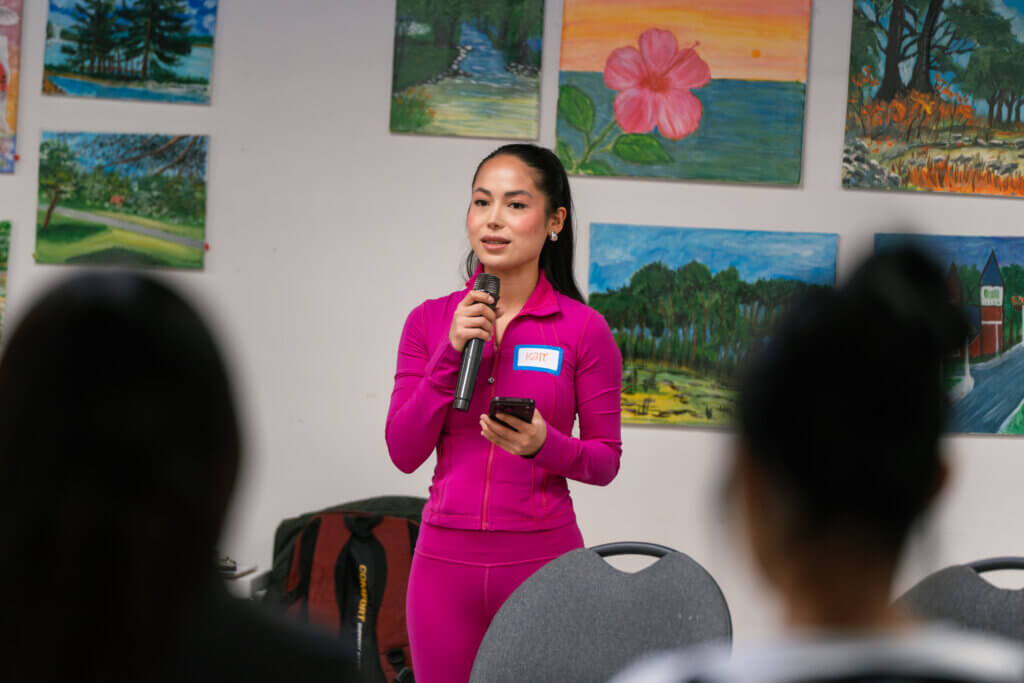

For Luna, seeing the workshop come together was a relief after weeks of preparation and uncertainty about attendance.
“I’m so grateful and elated,” Luna said, adding that she initially worried about how many people would participate.
She said the positive feedback reassured her that the event had accomplished its purpose of giving participants something useful they could apply in their daily lives.
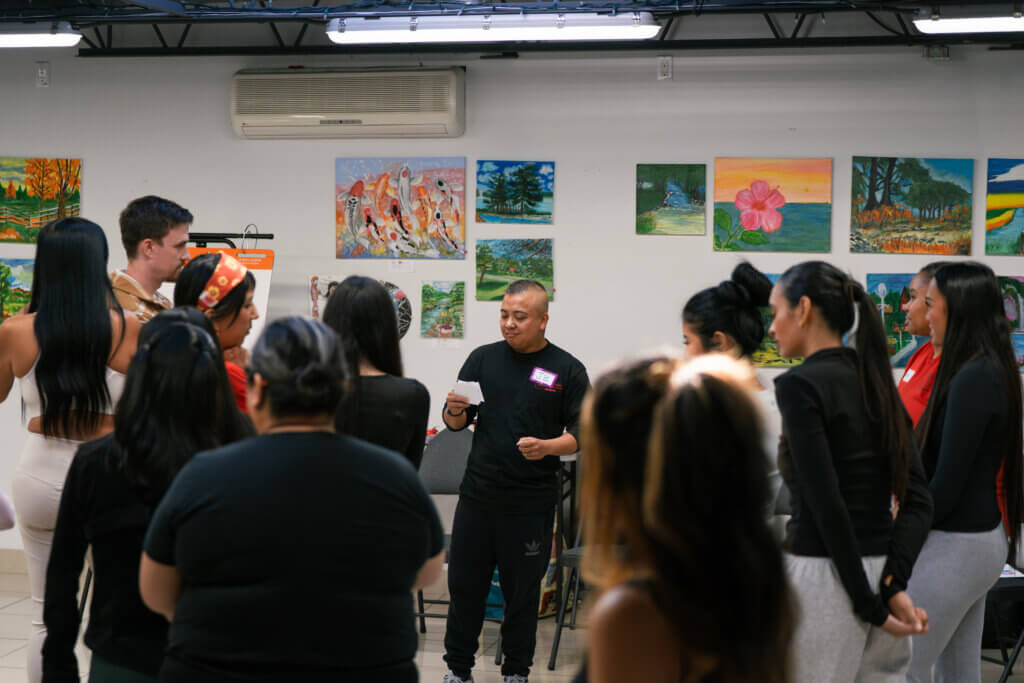
The afternoon began with participants introducing themselves, sharing a personal accomplishment from the past week and discussing what they hoped to learn.
Ramos then introduced five principles of self-defence before guiding participants through exercises exploring how people perceive safety and danger differently.
Different perceptions of safety

One activity asked participants to categorize situations using green, yellow and red, with green representing the safest circumstances and red indicating the greatest perceived danger.
The exercise encouraged participants to consider how their experiences and personal boundaries influence their responses to unfamiliar or uncomfortable situations.
For Luna, those differences were among the most revealing parts of the workshop.
“One would be that everyone’s experiences and perceptions of what they think is safe and dangerous are very far different from others,” she said.
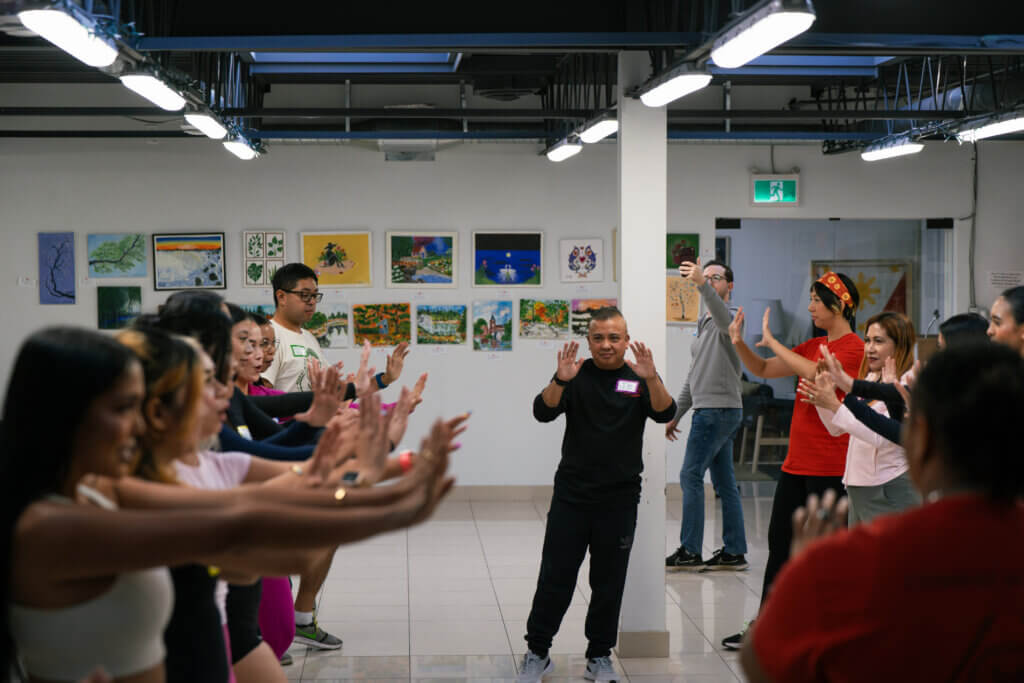
The discussion eventually moved into physical training, where participants practised basic defensive movements, striking pads and using their voices to establish boundaries.

Verbal assertiveness plays a role
Ramos said the session was designed to show participants that protecting themselves involves more than physical strength.
“We taught the beauty queens from IPEN about what empowerment self-defense is and practical skills in terms of protecting themselves, empowering themselves through knowing what their boundaries are to basic physical techniques,” he said.
As the exercises progressed, Ramos noticed participants becoming increasingly comfortable with one another and more willing to practise unfamiliar techniques.
He said using their voices while striking pads was particularly important because verbal assertiveness can play a role in setting personal boundaries.
“From when they came in, they really came out of their shell by the end of the class,” Ramos said.
Arnis training a highlight

The workshop also incorporated arnis, a Filipino martial art involving stick-based techniques, giving participants an opportunity to explore a part of their cultural heritage.
For Shannon Benigi-an Mulholland, a participant in the workshop and someone who has previously trained under Ramos, the arnis portion was the highlight of the afternoon.
“I could see a lot of excitement in all the participants to get to hold the sticks and for many people it was their first time,” she said.
Benigi-an Mulholland, who is also connected with Luna through IPEN, said watching other Filipino participants discover arnis reminded her of her own experience learning the martial art.
She said the activity offered something beyond physical training by helping participants connect with a cultural tradition they may not have previously experienced.
“It’s really a new and exciting thing, but also they feel very connected even though they never did it,” she said.
Another memorable exercise for Benigi-an Mulholland involved comparing situations that participants considered stressful or potentially harmful.
She said hearing different perspectives reinforced the importance of understanding how other people experience personal safety.
“It’s actually a community thing, not just about defending yourself,” she said.
Awareness is important
For Ramos, awareness remains one of the most important skills people can develop, even without access to formal self-defence training.
He encouraged people to trust their intuition, recognize their personal boundaries and pay attention to their surroundings, particularly in public spaces such as transit.
“First things first is being aware. Self-awareness is key,” Ramos said.
Luna said the workshop also reflected her goal of connecting the Filipino-Canadian pageant community with accessible safety education.
Drawing from her experiences in the Philippines, where she said she witnessed harassment involving women in pageantry, Luna emphasized the importance of teaching people to speak up when their boundaries are crossed.
Hearing participants confidently practise saying “No, stop” was particularly meaningful to her.
She hopes the connections established through the workshop will encourage participants to continue learning and potentially lead to more training sessions.
“I wanted them to get something useful out of this workshop, and hopefully it’s the start of something,” Luna said.
 Luis Miguel De Castro is a Changing Narratives Fund-Local Journalism Initiative reporter at Mabuhay Canada and a journalism graduate at Humber Polytechnic in Toronto. Originally from the Philippines, he is passionate about community storytelling, multimedia journalism, and amplifying Filipino voices through meaningful local coverage.


