
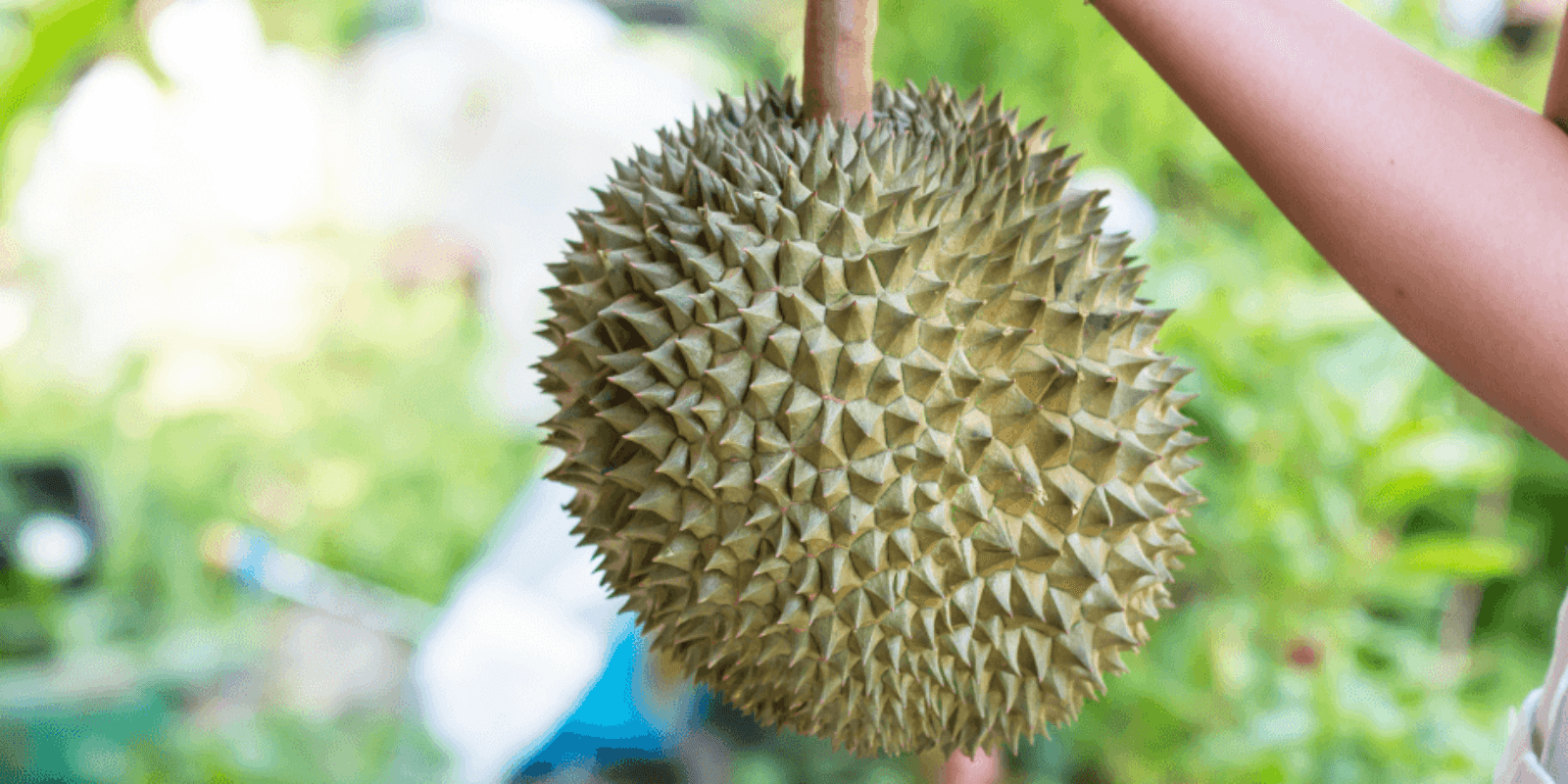
While the Philippines is known for its delicious, world-class mangoes, there are many more fruit varieties from the Philippines that the rest of the world might not be familiar with.
Get to know the Top 10 Pinoy fruits that you should definitely try out. Find them at most Asian grocery markets, or blend them in milkshakes, drinks, and other baked items.
KALAMANSI
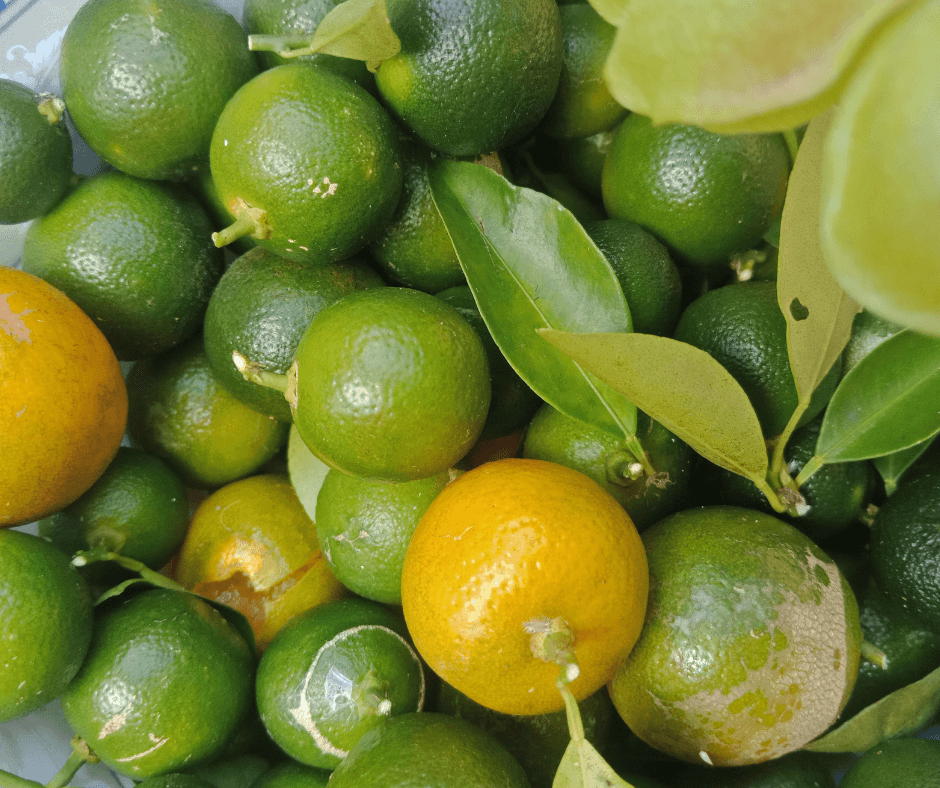
The Philippines’ unique, tiny green citrus fruits are some of the best in the world for sweet and refreshing drinks.
Milder than a lemon or lime and naturally sweeter, with a unique and equally mild and pleasant scent, kalamansi are the perfect fruits to squeeze for a refreshing drink to battle the Philippines’ scorching heat.
Like its lemon and lime cousins, squeeze the juice out to balance salty foods, and mix into icy drinks. While the fresh version is harder to purchase outside the Philippines, kalamansi concentrate can easily be found in Asian markets.
DURIAN
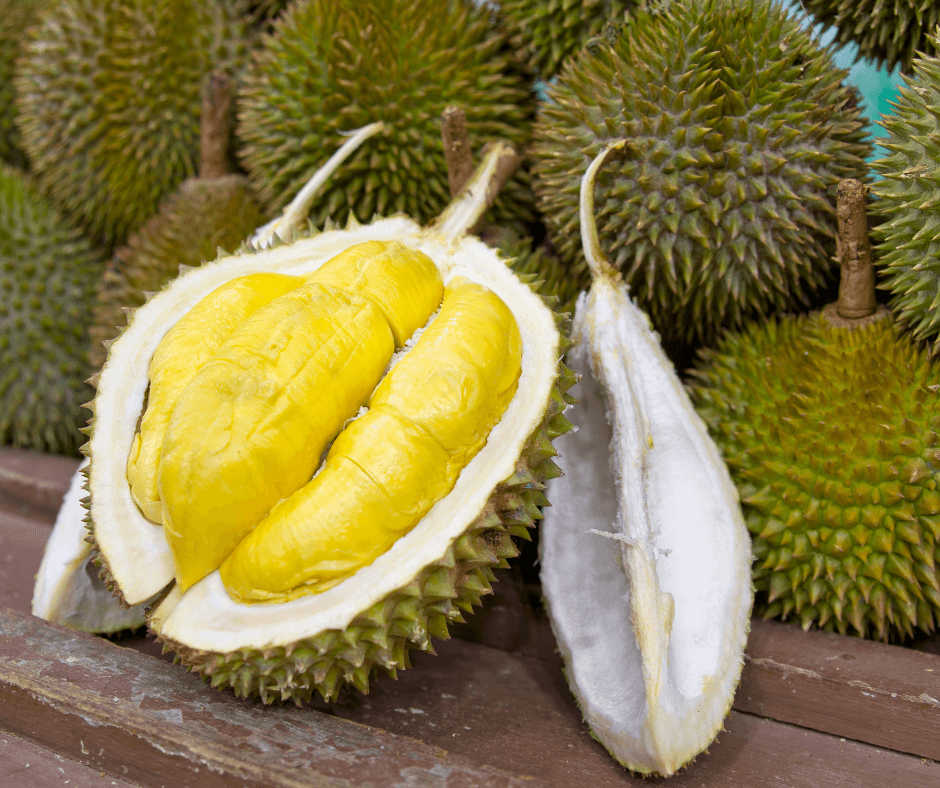
This famous (or infamous) gigantic, spiky King of Fruits is often feared by many for its strong smell, which some have described as “rotten”.
However, durian is one of the most delicious fruits known in Southeast Asia, with its golden, creamy meat that tastes like nothing else in the world, but might be best compared to a banana.
Often used in candies and desserts, it has a unique flavour, with an earthy sweetness similar to cream cheese.
LANGKA (JACKFRUIT)
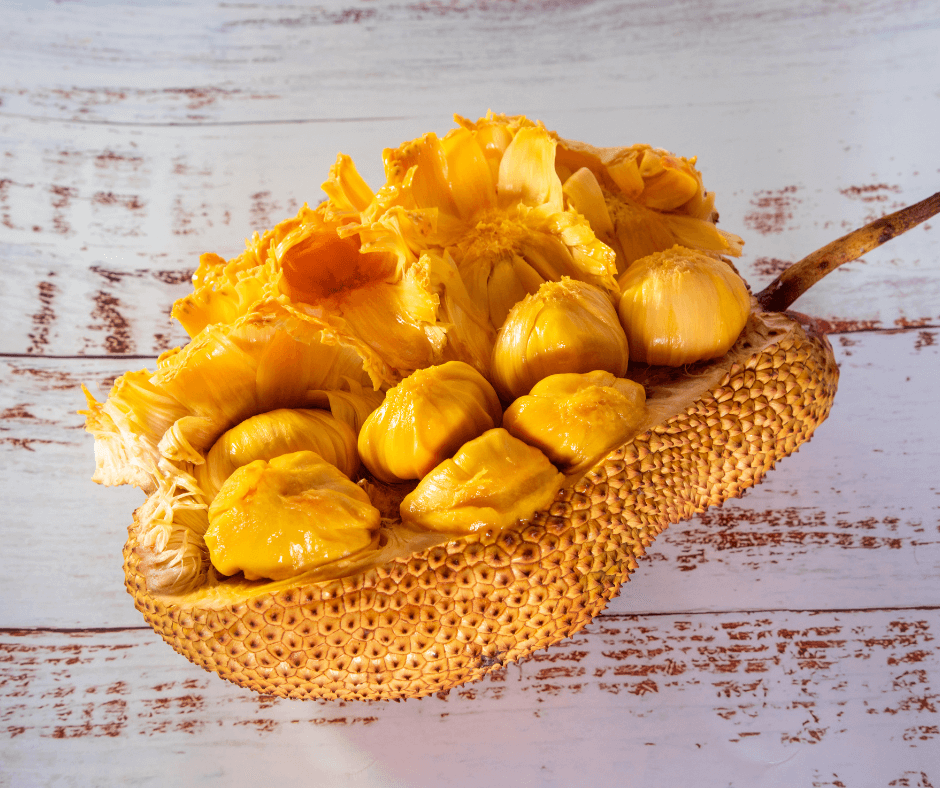
Langka is an enormous, bumpy fruit that looks similar to durian.
Known in North America as a popular vegan replacement for meat recipes such as pulled pork, many people still don’t know just how sweet and delicious this fruit can be.
Langka enhances desserts like turon (fried banana fritters), and ice cream.
In its unripe form, it’s often used in ginataang langka (langka in coconut sauce), and paired with rice.
KAIMITO (STAR APPLE)
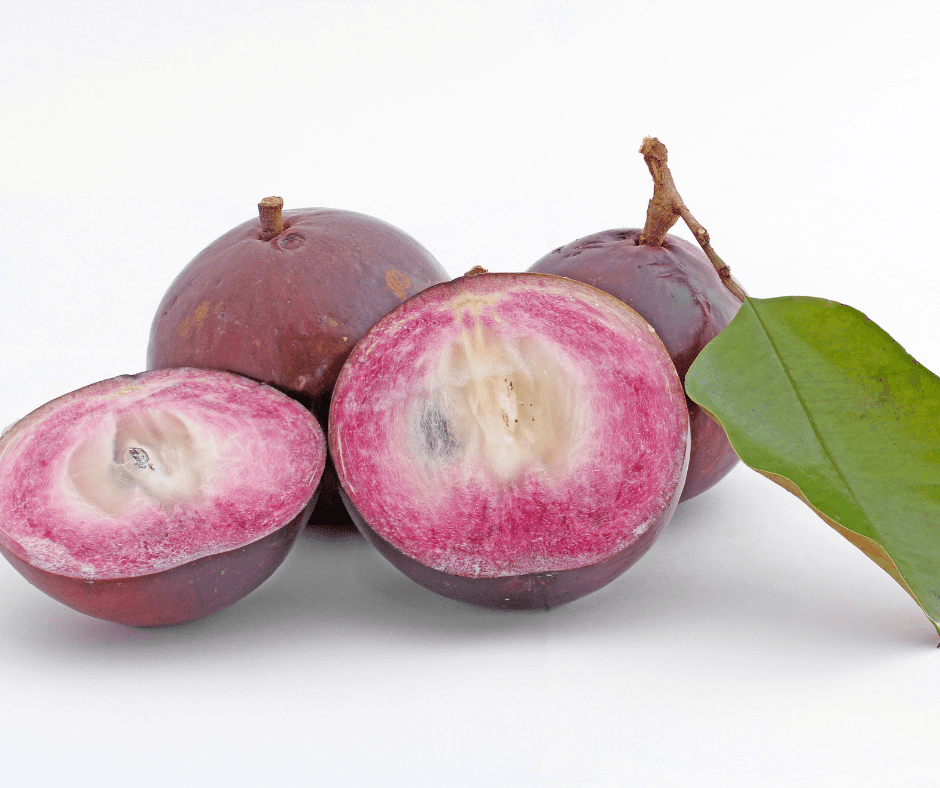
It’s hard to compare this fruit to other fruits, given its unique texture and flavor, but it does have a custardy consistency and creamy sweetness.
Even just opening it is a treat all its own–when you create a shallow cut around its middle and twist it open, you get to see the star shape of its core that it’s named after.
While it’s not native to the Philippines, it thrives in the warm climate, becoming a common roadside fruit that most people harvest and enjoy on a commonly warm day.
CHICO (SAPODILLA)
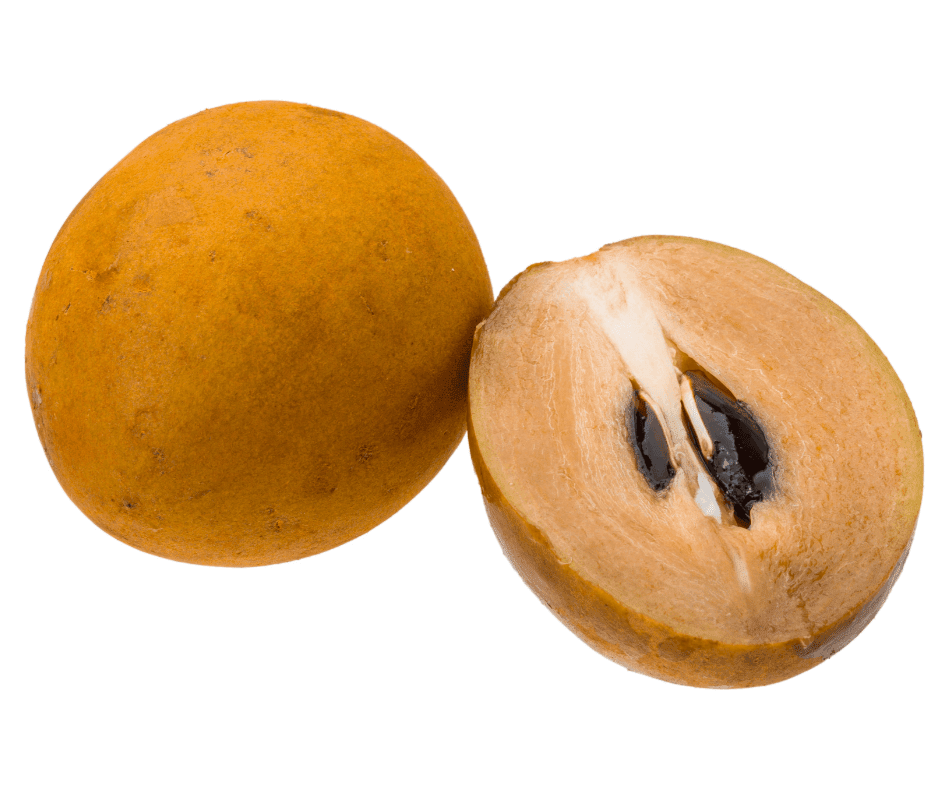 Originally from Southern Mexico and Central America, the chico was introduced to the Philippines through Spanish colonization and galleon trade routes, with the name “chico” meaning “small boy” in Spanish.
Another delicious fruit most often eaten as is, chico has a texture unlike any other fruit, but is most closely described as that of a ripened pear.
Its flavour is malty sweet, and its colour is between pale yellow and earthy brown.
It’s somewhat reminiscent of caramel or brown sugar, but don’t eat its rough skin or hard seeds.
Wait till it’s ripe before eating: it must be soft to the touch.
MAKOPA (WAX APPLE)
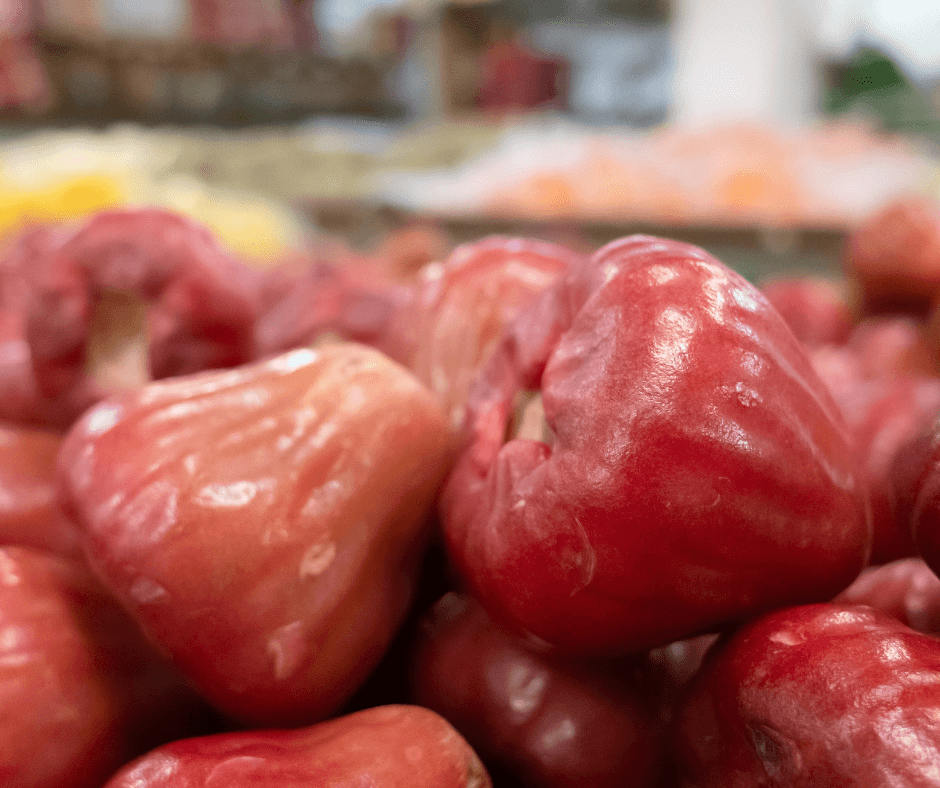
The makopa fruit is a bit odd in that in its less ripened stages, it’s almost entirely flavorless.
Once it gets a darker coloration, makopa gets a sweeter flavor, though it’s still the mildest tasting out of all the fruits on this list.
Makopa is an intriguing mix—smaller than an apple but surprisingly large for being a berry, with the shape of a strawberry or pepper, and with the crunch of a cucumber and watermelon.
LANSONES (LANGSAT)
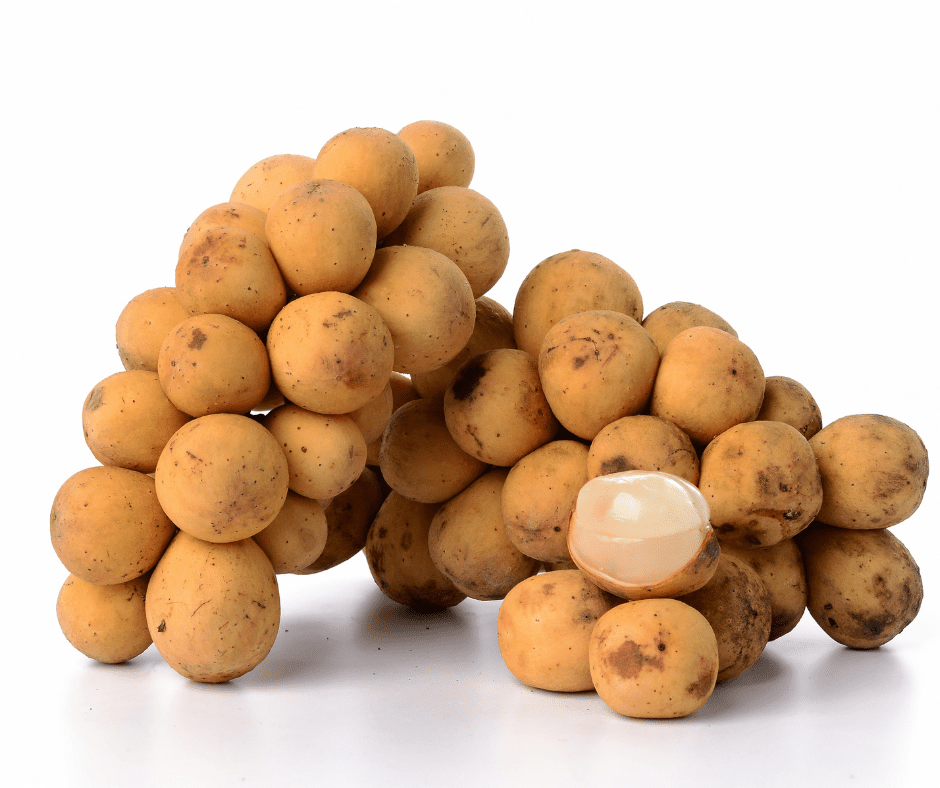
Lansones is a small, round, yellow fruit common across southeast Asia, looking like a cross between tiny potatoes and clustered like grapes.
The edible flesh of the lansones is pearl-like, with a sweet flavor close to grapes, but with an extremely bitter seed in the middle.
It’s a common sight in the Philippines to see these fruits being sold by roadside vendors as a refreshing snack.
Though unconfirmed, its name seems to be derived from the word lason (poison), seemingly based on a legend about the lansones wherein a fairy instructs people how to eat it without getting poisoned.
To eat lansones (as per the fairy’s instructions), you pinch the fruit until its skin breaks, and squeeze the edible meat of the fruit out without eating the bitter seeds and skin.
RAMBUTAN
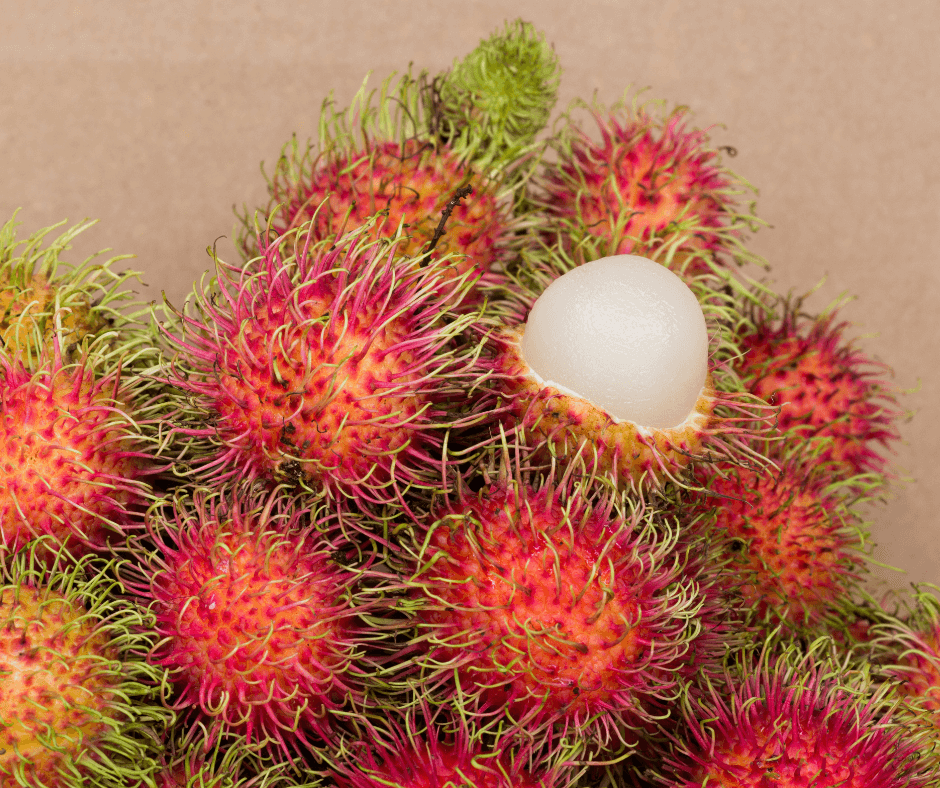
One of the most interesting-looking fruits on this list, rambutan is a red, hairy or soft-spined fruit that looks a bit like a Jim Henson monster.
Its wild exterior gives way to delicious, refreshing fruit, similar to lychee and longan, and even a bit like the previous lanzones.
Cutting the somewhat leathery outer skin gives way to a fairly unassuming, sweet treat within, which you can eat so long as you spit out the seed.
It’s one of the more popular in Asia, just like lychee, and is often used in jams and candies.
ATIS (SUGAR APPLE)

The fact that this fruit looks nothing like an apple and tastes nothing like an apple makes its English name a bit of a mystery.
However, it’s still worth giving a try, with its soft texture and custardy sweetness.
Its bumpy exterior makes it easy to pry open with just your hands, and when it’s ripe and at its sweetest, it may be easy to squish accidentally.
While it’s delicious, you do have to be careful of the seeds.
You can suck them until you’ve finished the flesh and spit them out, or manually scoop the seeds out, though some varieties thankfully have fewer seeds in them.
Like many of the other fruits on this list, while it’s great to have on its own, it’s delicious when put into a shake.
TAMARIND
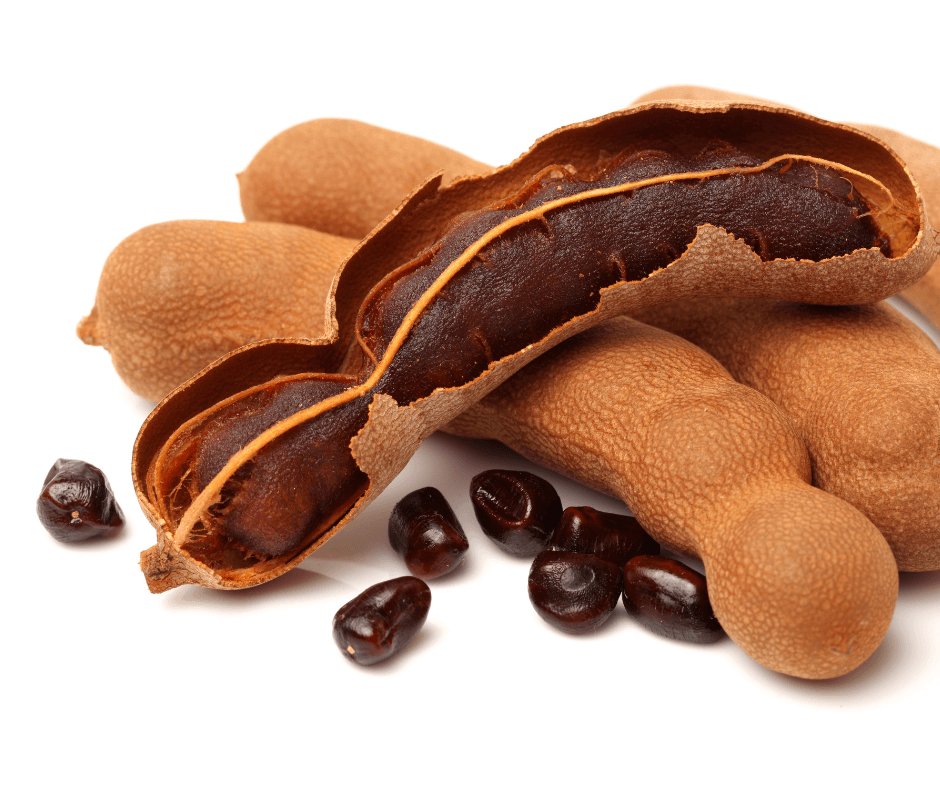
Last, but definitely not the least, is the tamarind, whose shape is very, very different from the other fruits on this list, and most fruits in general.
Resembling string beans, but with a hard brown shell, its fruits are extremely tart, almost like a sour version of dates.
Tamarinds are often used as a souring agent for sinigang, or coated in sugar and wrapped as candies.

Motzie Dapul is a queer Pinay writer, artist, and animator who’s bringing Filipino and LGBTQ+ themed stories to global audiences, primarily through genre stories such as fantasy/mythology, sci-fi, horror, and romance (often all at once). She’s best known as the creator of supernatural horror audio drama The Hi Nay Podcast.