Filipino community groups gathered in Markham on Aug. 29 for the inaugural Manlilikha Arts and Music Festival, a day of cultural workshops supporting earthquake rehabilitation efforts in Mindanao.
Organized by Likha Filipino Cultural Hub in partnership with Adhika, the daytime festival was held at the People’s Theatre for the Performing Arts and brought several community organizations together to lead cultural workshops and activities.
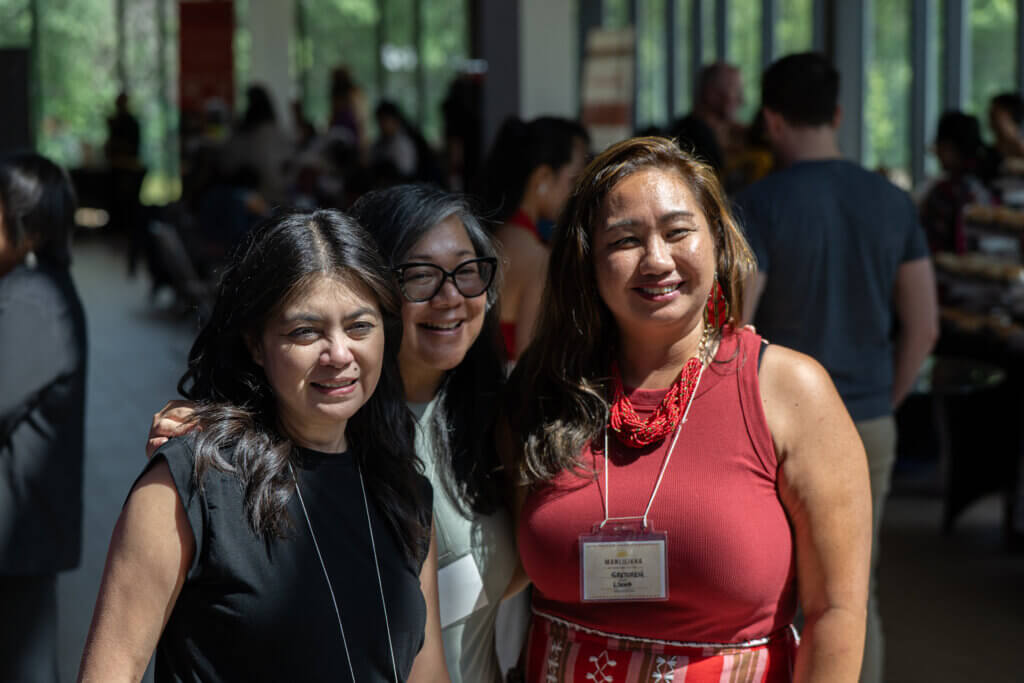
Gretchen Mangahas, co-founder of Likha Filipino Cultural Hub, said the event was intentionally smaller and focused on people interested in learning more about their heritage.
“This is a very intimate and highly educational event,” Mangahas said.
“We are targeting people who are very interested in learning more deeply about their culture.”
Organizers expected about 80 to 100 attendees, with limited spaces available for individual workshops.
The programming gave participants several ways to engage with Filipino traditions rather than only watch them being presented.
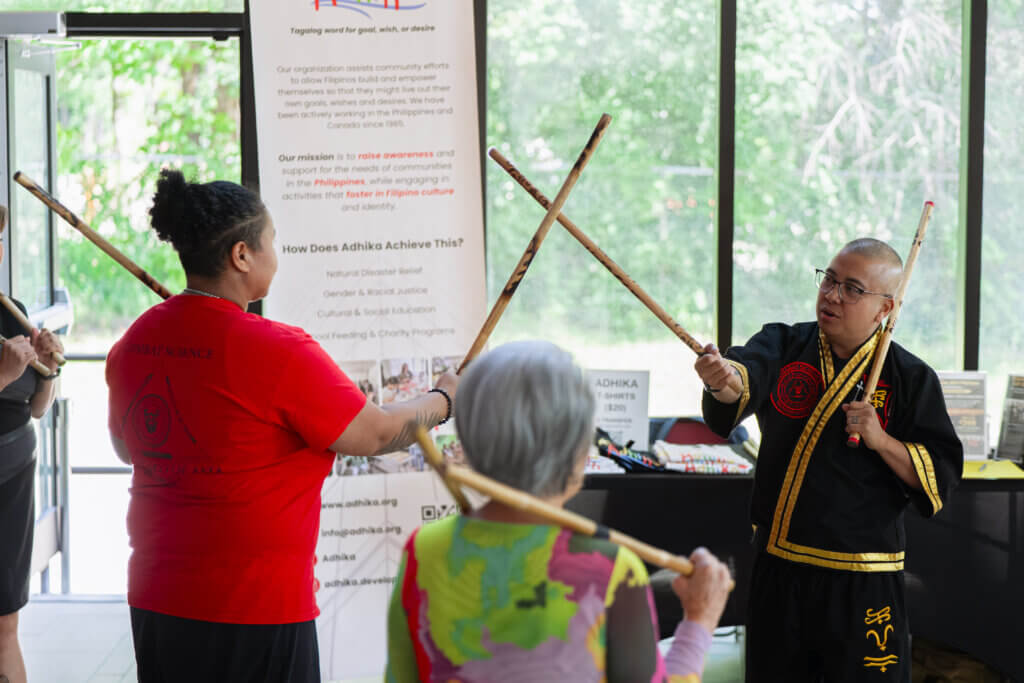
Combat Science Warrior Arts of Asia introduced participants to arnis, while Kapisanan Philippine Centre for Arts and Culture offered sessions on hilot (massage) for self-care.
INAbelution led a Cordillera-inspired jewelry-making workshop, and Kainan at Kultura offered Filipino food throughout the afternoon.
Mangahas said the interest in the workshops showed organizers that people wanted opportunities to learn about traditions they may not regularly encounter in Canada.
“I was really surprised with the interest that the participants have,” she said.
She pointed in particular to the response to hilot, along with interest in Cordillera culture and arnis, the Philippines’ national martial art.
Storytelling and poetry were another part of the day through workshops led by Salaysay Collective.
Kryslyne-Mai Ancheta, who facilitated the storytelling and poetry programming, said she sees writing as a way for people to explore questions about who they are.
“I think it was a way to help navigate identity, maybe even to bypass it sometimes,” Ancheta said.
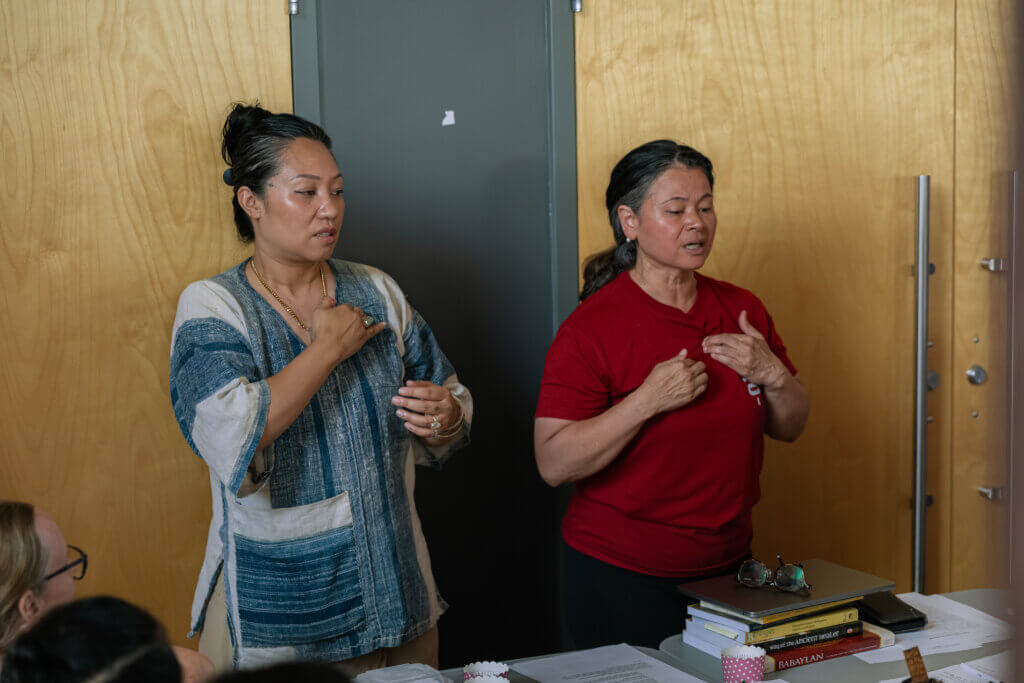
Her sessions encouraged participants to write by hand and approach poetry as something available to everyone, rather than a practice reserved for academics or established writers.
Ancheta said poetry can sometimes feel inaccessible because of the language surrounding it, but she hopes workshops can challenge that perception.
“Poetry language shouldn’t be for the selected few,” she said.
“I think it’s an incantation and a very ancient technology.”
The festival also used film to explore parts of Philippine history that have often received less attention.
Adhika presented Lakambini: Gregoria de Jesus, followed by a panel discussion examining the revolutionary figure’s life and the wider role of women in Philippine history.
Adhika board chair Nora Angeles said the film’s focus on women resonated with the work she has done throughout her life.
“I guess I’ve really dedicated my whole life to the story of women and supporting women,” Angeles said.
“Hopefully this is just the beginning.”
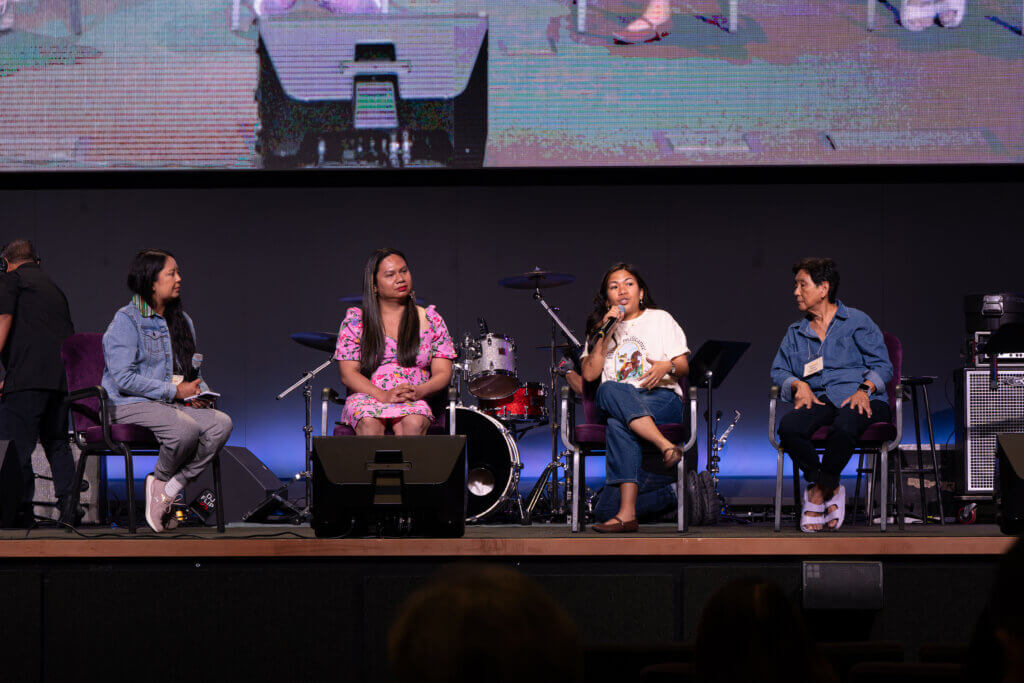
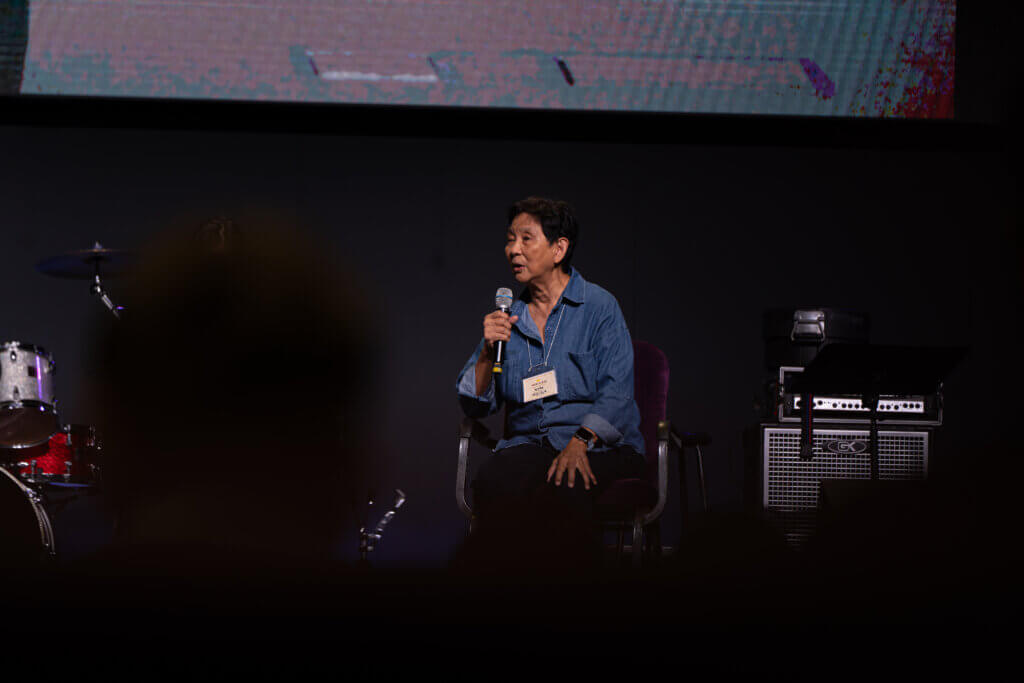
During the discussion, panelist Jovie Galit said growing up in the Philippines meant learning about national heroes who were predominantly men, while the work of women was often less visible.
Galit said women such as de Jesus played important roles in sustaining revolutionary movements through organizing and other work behind the scenes.
“It’s also the way we’ve erased the women in history, no matter how significant their contributions are to the freedom and liberation process,” she said.
For organizers, combining those different activities was part of a broader effort to make cultural education central to the festival.
Mangahas said one attendee told her they wished they could participate in all of the workshops at once.
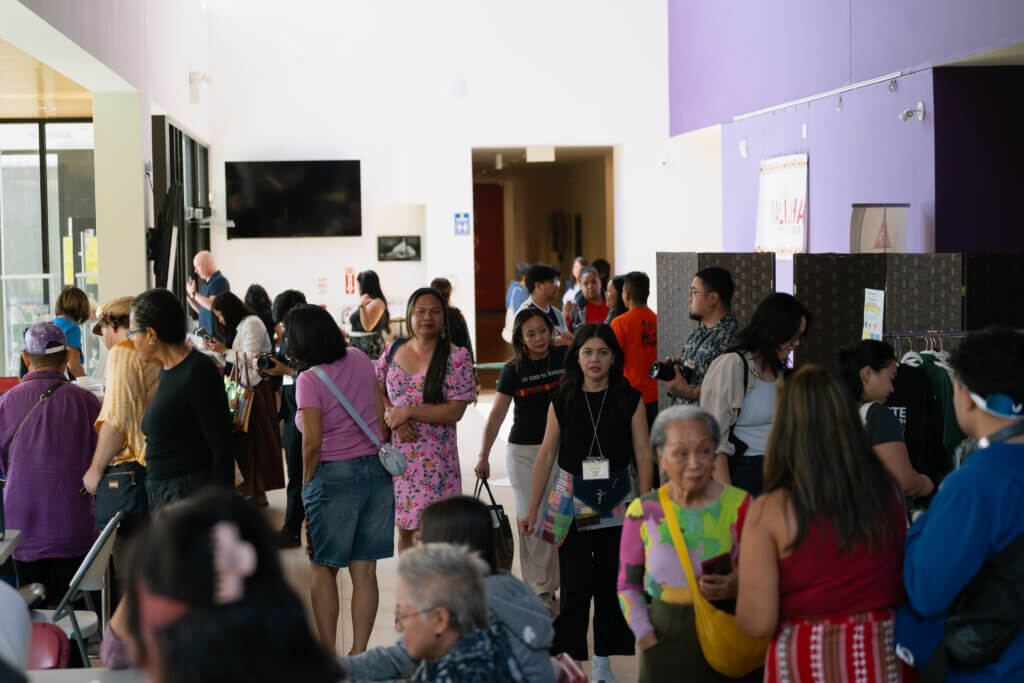
The response has encouraged Likha to consider continuing Manlilikha with its partner organizations.
“Our goal really is to bring together organizations and bring out our cultural education, cultural work,” Mangahas said, “so that we’re not just eating and having fun, we’re getting something in return.”
Proceeds from the festival will support Art Relief Mobile Kitchen’s rehabilitation work in earthquake-affected communities in Mindanao.
 Luis Miguel De Castro is a Changing Narratives Fund-Local Journalism Initiative reporter at Mabuhay Canada and a journalism graduate at Humber Polytechnic in Toronto. Originally from the Philippines, he is passionate about community storytelling, multimedia journalism, and amplifying Filipino voices through meaningful local coverage.