Working full time hasn’t stopped Jose Cacho-Lim from volunteering after hours, a commitment he says reflects the Filipino value of building community.
Cacho-Lim is the volunteer executive director of Toronto-based KAPISANAN Philippine Centre for Arts and Culture.
After finishing his full-time job with an Indigenous charitable organization, he spends evenings and weekends organizing arts programs, festivals and community events.
He believes volunteering allows Filipino Canadians not only to preserve their culture but also to strengthen the connections that keep communities together.
For Cacho-Lim, volunteerism is more than helping an organization succeed.
It is a way of expressing kapwa, a Filipino value centred on shared identity, mutual care and belonging.
Community Work

He believes that value explains why so many Filipinos willingly dedicate their free time to community organizations despite work and family commitments.
“When we function for kapwa, it makes it easier for us to put in that work, to show up at meetings, because it’s no longer work,” he said. “It’s community work.”
Cacho-Lim said Filipino Canadians find community in many places, including churches, sports clubs, cultural organizations, and neighbourhood groups.
Once they feel connected, they naturally want to contribute.
“It’s just ingrained in us to build community, to be together,” he said during the interview. “Part of being in community is volunteering.”
That sense of belonging inspired his own journey into volunteer work.
Volunteering after work hours

Several years ago, Cacho-Lim volunteered for an Indigenous charity, helping build its financial systems while watching Indigenous women reconnect with their culture and identity.
The experience changed how he viewed community service and encouraged him to reconnect with his own Filipino roots.
“I saw the power that is possible when one reclaims their own culture and identity,” he said.
He later joined KAPISANAN as a volunteer bookkeeper before serving on its board of directors and becoming executive director in August 2025.
Founded in 1989, KAPISANAN supports Filipino artists and cultural workers through festivals, workshops and community programs across Toronto.
Cacho-Lim said the organization’s history and the artists it has helped nurture convinced him to continue its legacy.
“When you’re faced with a community that just wants you to succeed, the only thing that you can do is just do the hard work and be the best person that you can be for the organization,” he said.
Balancing volunteer leadership with a full-time career requires careful planning.
After finishing work each day, Cacho-Lim shifts his attention to KAPISANAN.
“I do most of my KAPISANAN work after hours,” he said.
“After 5 p.m., that’s when I log off from my full-time job and start replying to my emails at KAPISANAN.”
He credits his husband, family and employer for supporting that commitment.
Despite the demands, Cacho-Lim said volunteering has given him far more than it has taken away.
“I’m getting peace of mind, I’m getting community, I’m getting engagement,” he said. “That’s just good for the soul.”
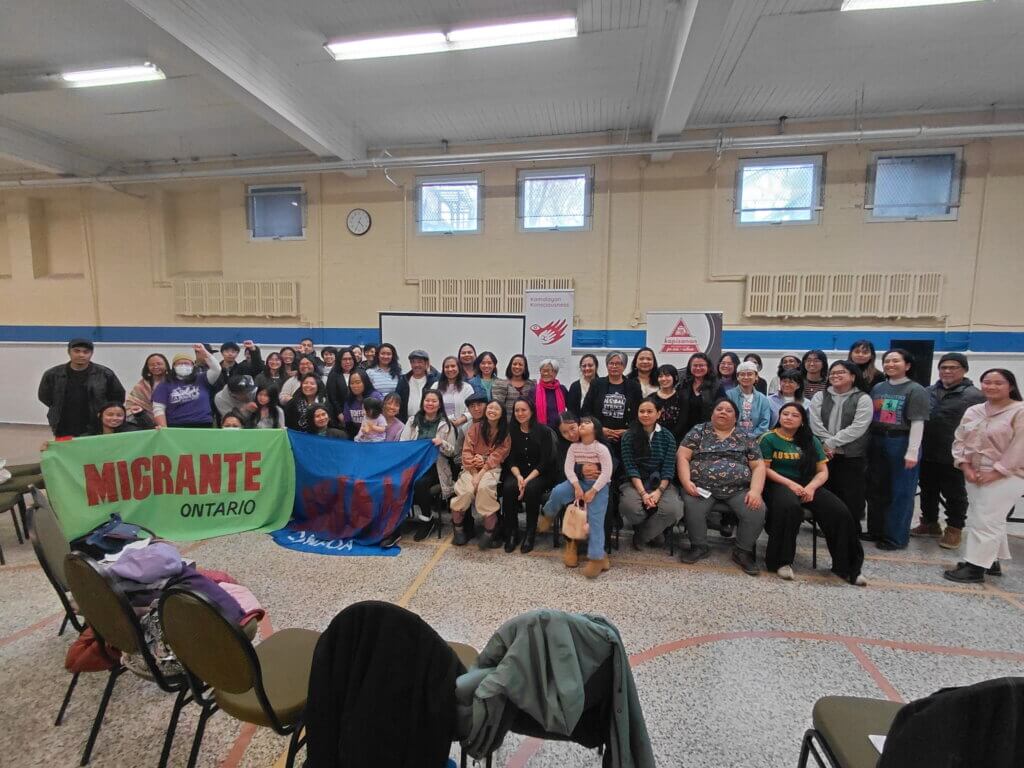
From volunteer work to full time work
Volunteerism has also shaped his career.
The Indigenous charity where he first volunteered later hired him full time, reinforcing his belief that giving back can create opportunities beyond community service.
Still, Cacho-Lim hopes organizations will one day rely less on unpaid labour.
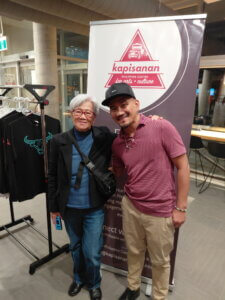
Since becoming executive director, he has focused on securing grants that allow KAPISANAN to hire artists, interns and cultural workers whenever possible.
“I hesitate in asking people to volunteer,” he said. “I want to find funding so that we can hire people because I know we live in a system that doesn’t always value artistic and cultural work.”
Even so, he acknowledged that many of KAPISANAN’s festivals and programs would not happen without volunteers.
For those who feel they are too busy or too shy to get involved, Cacho-Lim encourages them to start with the skills they already have.
“Ask yourself what your passion is, what makes you feel alive,” he said.
Reflecting on his own experience, he said volunteering does not require specialized training.
“I knew I was good at accounting, so I used that talent to make a difference.”
As KAPISANAN approaches its 40th anniversary, Cacho-Lim hopes more Filipino Canadians will continue strengthening their communities by sharing their time, talents and passion with others.