
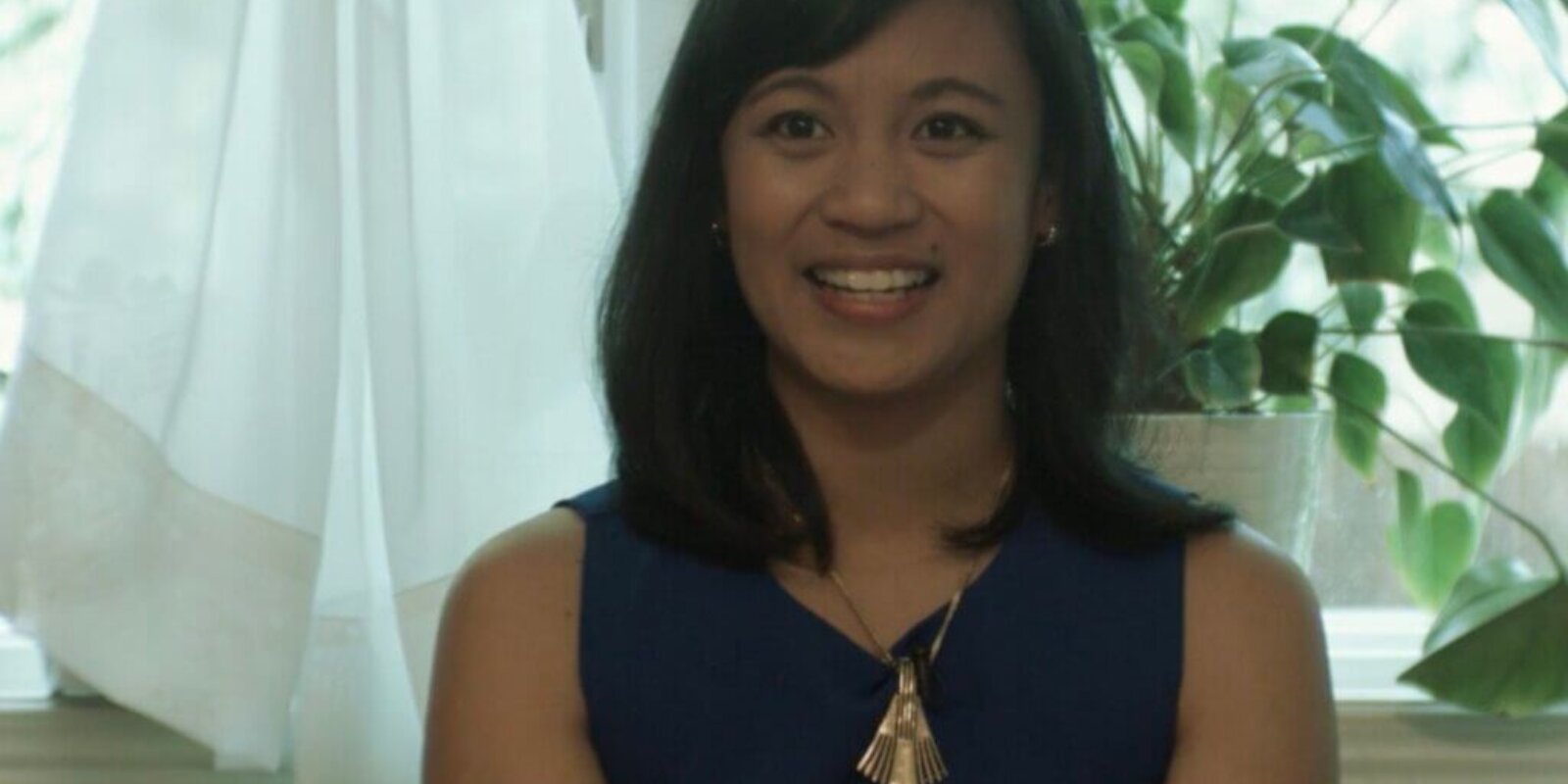
One of the chapters written by Pinay author Jennilee Austria-Bonifacio’s book Reuniting with Strangers has struck a chord with many Filipinos to the point where she gets “crying emojis”.
“Chapter 7 with Lolo Bayani—I get all the crying emojis”, Austria-Bonifacio said during an online interview.
Lyrics of kundiman songs are woven into the story of a lolo (grandfather), who roams around his empty house, missing his grown children, hearing the echoes of his voice and the music played in his home.
Will there be anyone left to play kundiman—his legacy, the songs of his past, the melody and lyrics so deeply ingrained in every Filipino?
“‘Bayan Ko‘ (my country) is such a good song. With any Filipino, they sing that song, it triggers,” she said.
Austria-Bonifacio, who plays kundiman songs on the piano, asks: if we’re leaving behind these beautiful things—like the kundiman—how much of our culture is lost if we don’t preserve it?
How hard the mumshies are trying
Another chapter that resonated with younger Filipinos is Chapter Four: “Seven Steps to Reuniting with your Teenage Daughter”.
Austria-Bonifacio’s community worker background gave her so much insight into the struggles of Filipino teenagers who had just reunited with their mothers.
“They look at me as someone they can rant to. They tell you (about their moms): ‘yung boses nya parang armalite’ (her voice sounds like a machine gun).”
“What I want people to understand is that the mom is trying so hard, (but) the teenager does not understand.
“She’s doing what she knows how to do. For her, she feels that parenting is to give (her daughter) things.
“But now, they need more than things, they need to speak. They need to be understood, to have these one-on-one moments with mom.”
Learning Tagalog at 26
Born in Sarnia, Austria-Bonifacio said she didn’t learn how to speak Tagalog until she was 26 years old.
“Kahit isang word, wala. (I didn’t know even one Tagalog word)”
She said her mom only spoke Tagalog when she’s mad. After she graduated school, Austria-Bonifacio was hired as a settlement worker, where one of the requirements was to speak Tagalog.
“I went to Kapisanan to learn Tagalog. When you work with the students, they appreciate it (if you know Tagalog).”
A community worker at heart, she currently has a job with a non-profit organization called the Together Project.
“I work with refugees during the day. I also do consulting for different school boards.”
The book doesn’t belong to me anymore
No one’s more surprised about the response to her book than the author herself.
“I’m getting messages from readers from Wisconsin, Talahassee…I didn’t even know my book is there.
“Just the idea that you can make something on your laptop and it goes out into the world, and it has its own life…the book doesn’t belong to you anymore.”
When a YouTube video was sent to her (about the book), she said she didn’t expect it. “I thought (the book) would just go to my friends and family.”
The book is now available in the United States and will be in the United Kingdom and different parts of Europe soon.
What does the success of your book mean for Filipino writers?
“The idea is that hopefully this will hold the door open. We have so many Filipino writers already published in Canada but it’s hard to find their work as it’s self-published.”
“There’s a lot of benefits to being traditionally published.
“The thing is there are ways to work with the system that exists and to still have your voice (heard).
“I’m trying to hold this door open so other people can see what’s possible if we use Canadian systems that already exist because they really do want to see our work.”
Austria-Bonifacio’s new book will be published soon.
The new book, Austria-Bonifacio said, will answer the question: what if at a time in your life when you needed it the most, you had the guidance of a grandparent, and they were the same age as you?



How 'Diaspora Dialogues' Helps Filipino Writers Find Their Voice
May 23, 2026 @ 3:55 pm
[…] the event, Filipino-Canadian author Jennilee Austria-Bonifacio spoke passionately about why organizations like Diaspora Dialogues matter, especially for […]