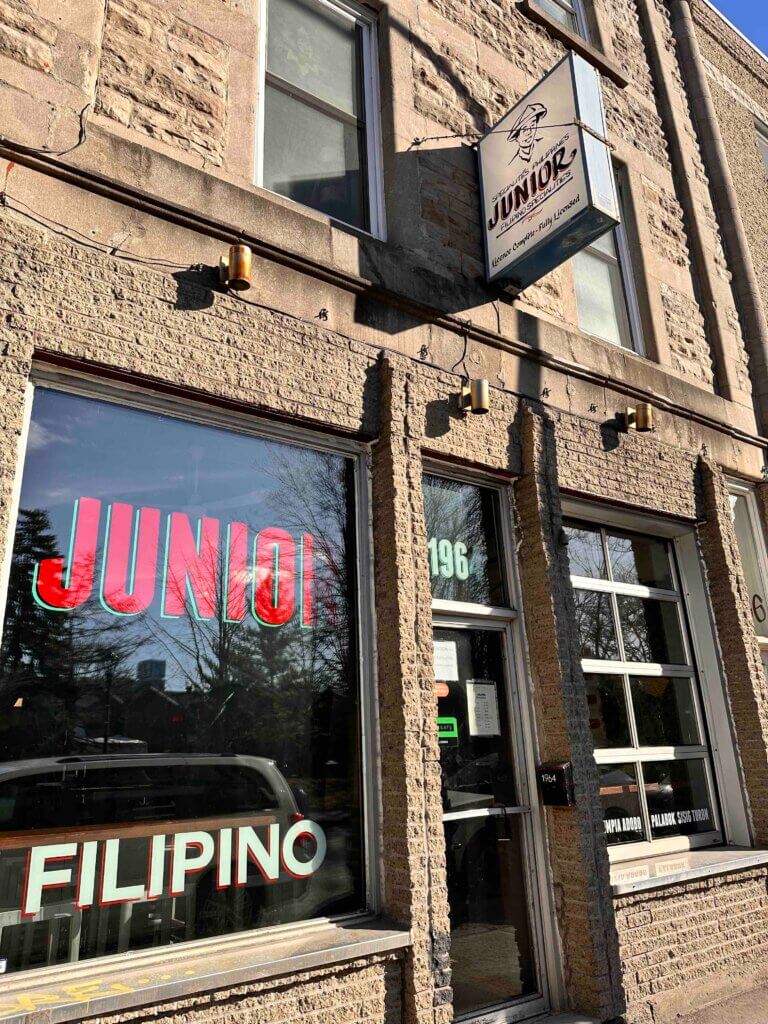
If the clientele of a restaurant is an indication of its appeal, then you might say that Montreal’s Junior Filipino Restaurant has succeeded to entice people of other nationalities.
We sat facing the window, looking out at Notre Dame Street West, and watched as the lunch crowd made up of mostly Caucasians trickled in.
The restaurant is unassuming, with seven small tables lined up against a wall with imitation greenery and pamaypays (fans), a collection of brown baskets, woven hats, a giant wooden fork and spoon adorning the walls, and a Philippine flag hung at the end of the hallway.
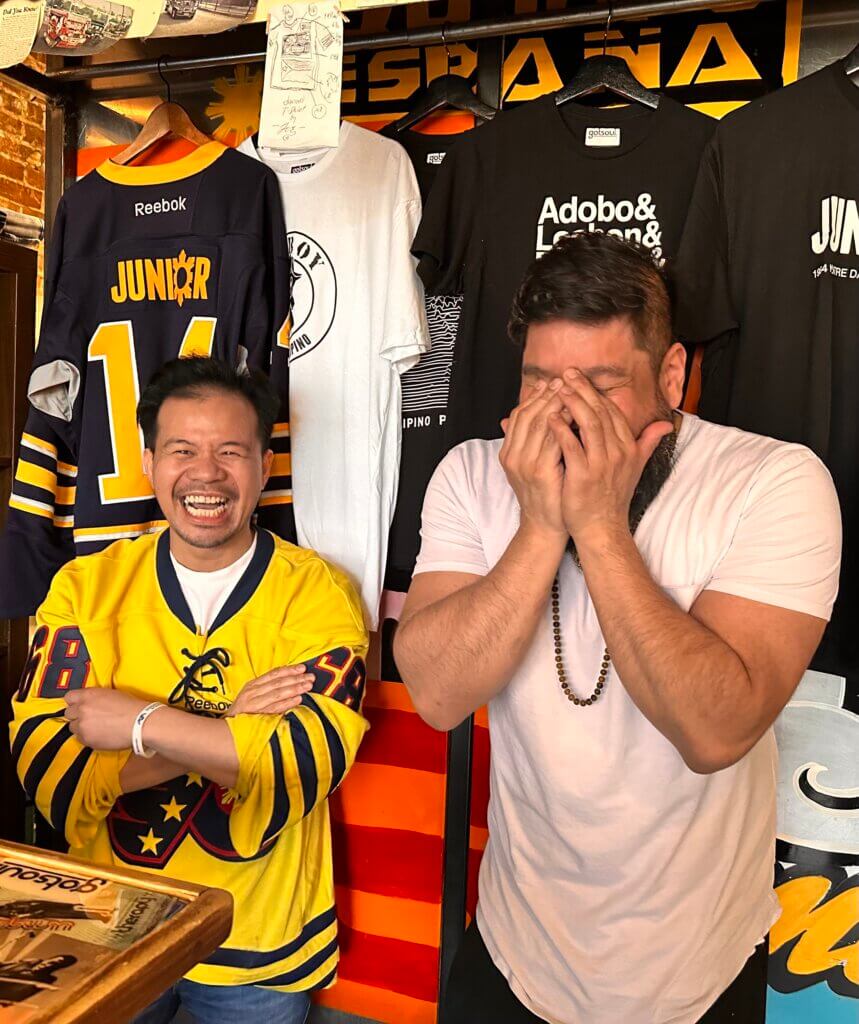
On the opposite side of the restaurant is the bar, filled with an extensive vinyl collection, a huge speaker mounted to the wall, and hockey jersey and Junior Restaurant t-shirts displayed for purchase.
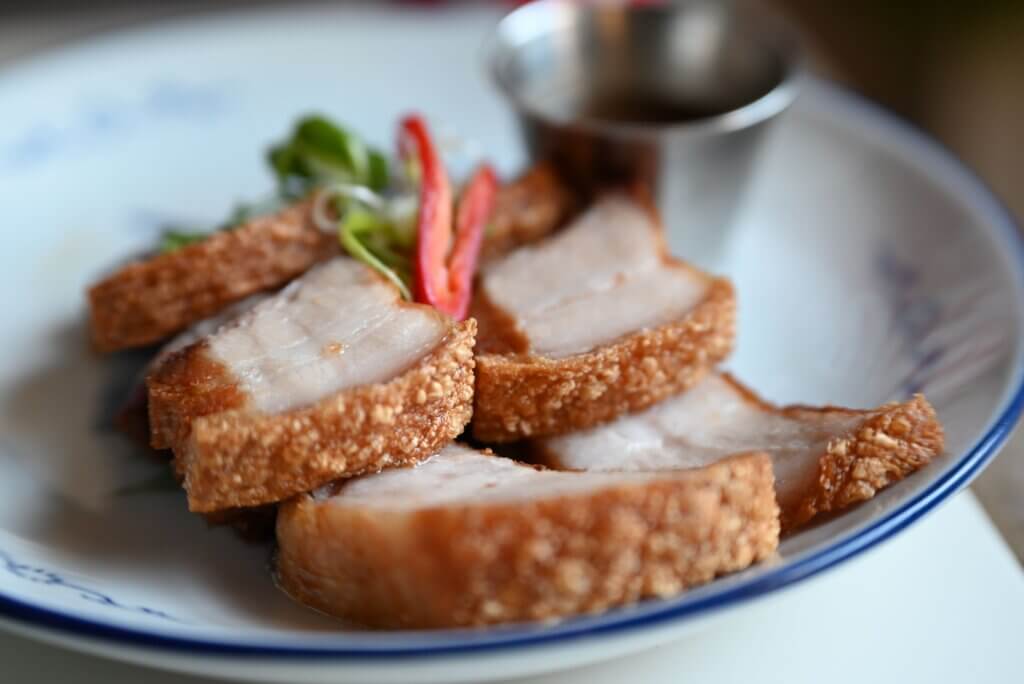
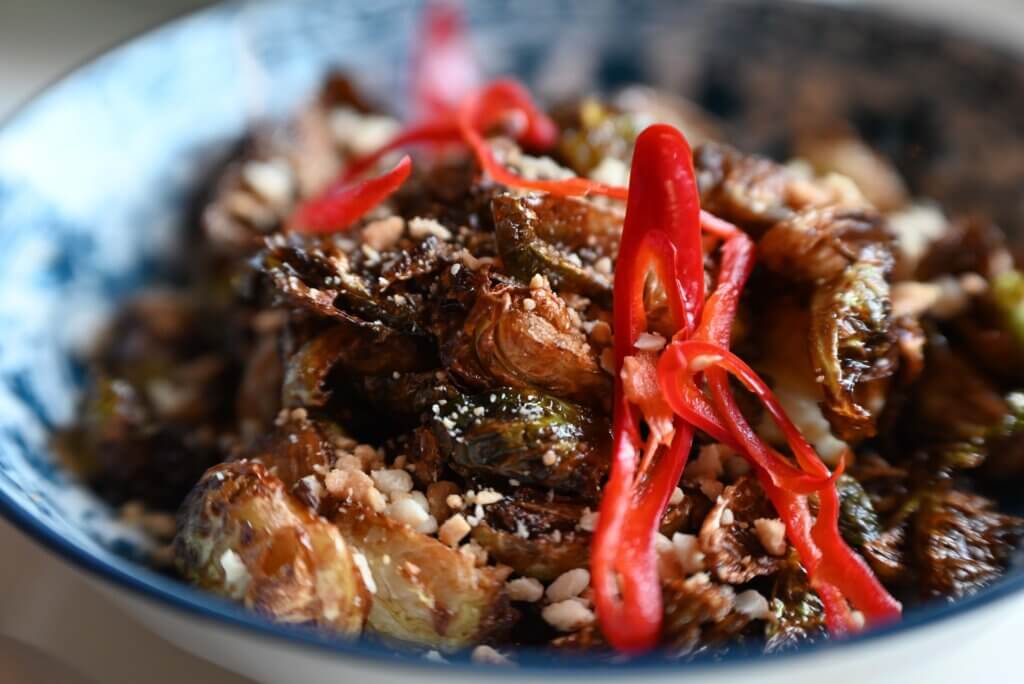
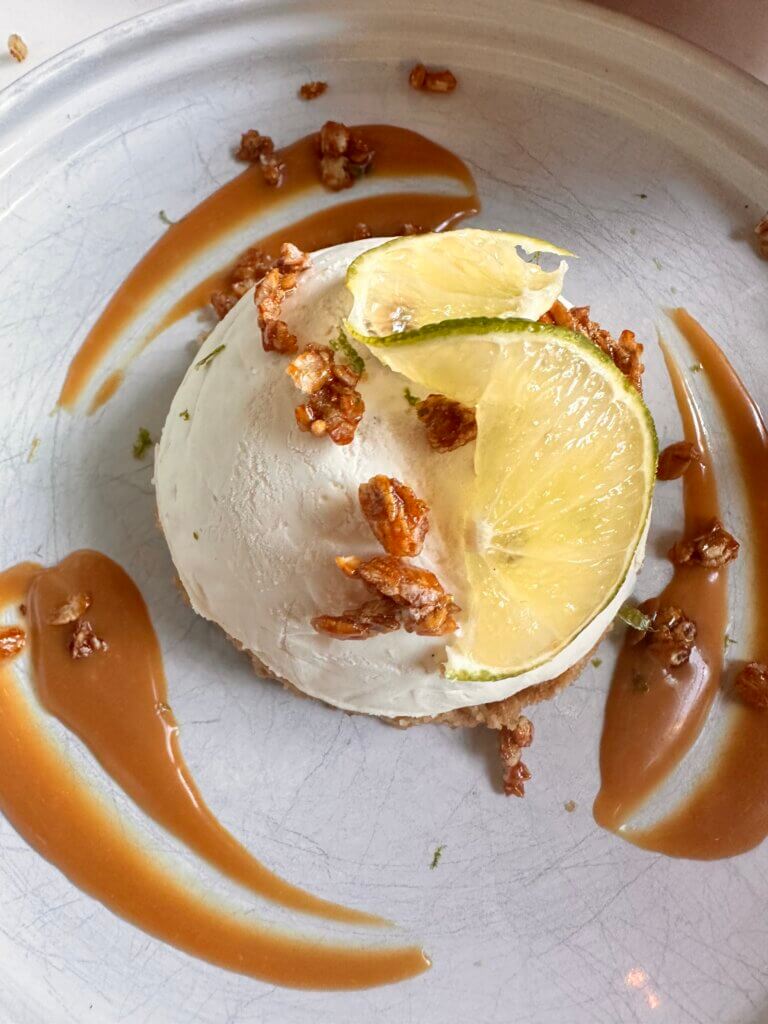
A menu consisting of beautifully plated Filipino staples such as lumpia, ensaladang talong, pancit bihon, palabok, kare-kare, lechon kawali, and—surprise—adobo brussels sprouts, round up their offerings.
Prices start at $12, with the costliest item on the menu the Bistek Onglet (at $32): homemade marinated hanger steak, chimichurri and rice.
Nope, this isn’t your typical turo-turo (point-point) restaurant for sure.
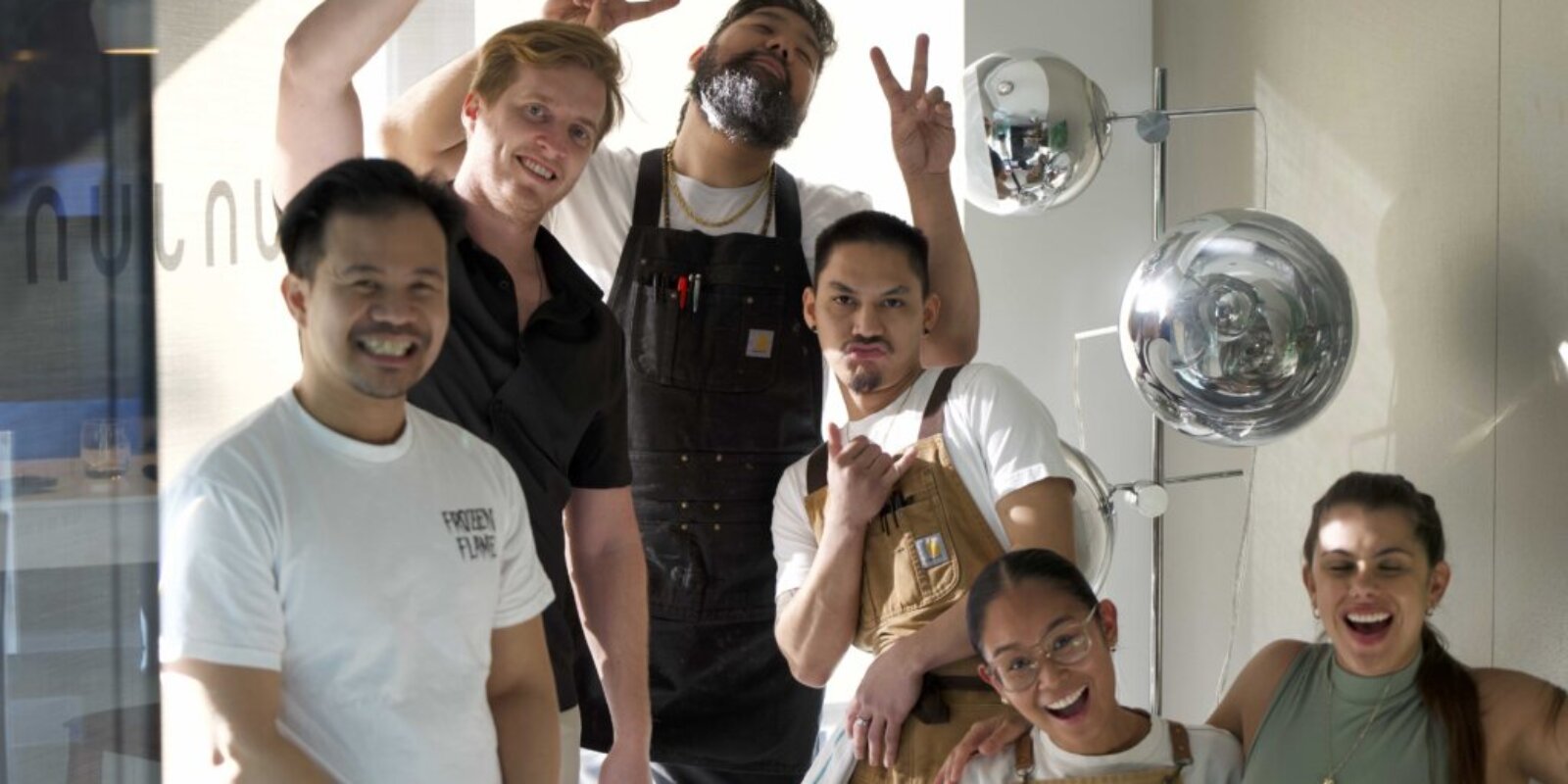
Junior Restaurant is currently owned by three Filipinos—Lorenzo Aquino, Ray Mariano, Neil John Gayo—and Jason Viau.
Their menu inspiration? “Everything Filipino”, said Mariano.
Mariano and Aquino have worked in various restaurants for 15 years, but never at a Filipino restaurant.
“We were running a sushi restaurant, and when we closed that, we started talking about opening our own place. We took this opportunity as a test to see if we can do it, then COVID hit long term,” Aquino said.
“When COVID hit, it was a tough couple of years for us. We just had to figure out a way to survive,” Aquino said.

Asked if there’s a demand for Filipino cuisine in Montreal, Aquino said that “it feels like in the past two years, Filipino food is becoming the trend.”
The restaurant’s location housed another Filipino restaurant before the new owners took over.
“This place has been open for ten years. They approached us to revamp the place and breathe new life (into the restaurant).
“It was more of a karenderia style. We changed everything to fit the area and the demographic that’s here,” Aquino said.
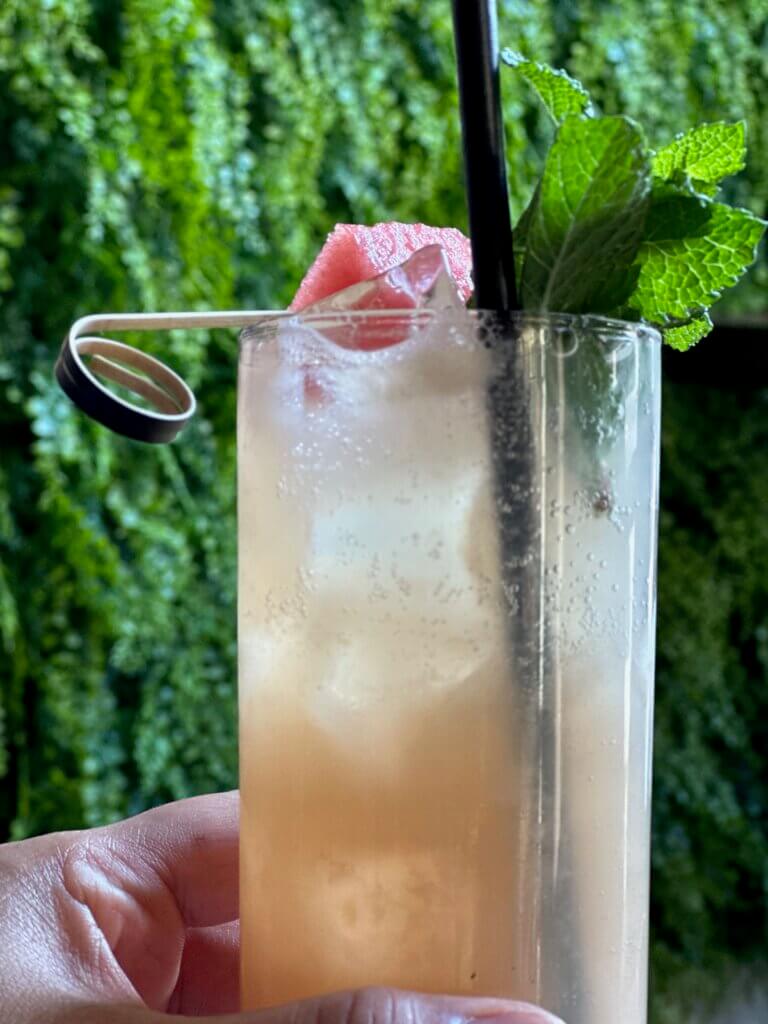
The new owners got creative with the menu, naming things with a cheeky spin: “I don’t want to Pakwan” for a mocktail, for example.
(Pakwan means watermelon, but there is a punny thing happening there, if you’re sharp-eared and eagle-eyed).
Then there’s more wit and puns with their offerings of Palo Me (spank me), Ma-ang-hang (spicy), and “I want to pakwan” for the alcoholic version.
With their clever twist on the menu, and authentic, made-to-order Filipino classics, once the restaurant got started up, “it got really busy”, said the owners.
As we munched our lechon kawali, done perfectly by the way (crispy pork skin and tender meat), we got into a conversation with the couple seated beside us.
The woman had been there once before, and liked what she had so much that she immediately brought her husband along.
The adobo brussels sprouts was unexpectedly good—the notoriously bitter-tasting, cabbage-like vegetable has been tempered by the flavour of adobo—traditionally a mix of garlic, vinegar, soya sauce and a bit of sugar.
Let’s not forget the sisig: it comes to the table sizzling hot on a cast iron griddle, with a raw egg in the middle of crunchy, chewy, crispy pork deliciousness.
This is Filipino food, elevated.
This is the kind of restaurant you’ll save for those special moments, such as an anniversary, or a birthday.
With the opening of Junjun Restaurant—dubbed as a “modern take on Filipino cuisine”—two doors down from Junior Restaurant, the four owners have their plates full, managing a total of three restaurants.
Junjun’s decor is upscale, and the menu reflects that, with prices going as high as $45 for an entree.
“All we’re trying to do is expose our culture, bring our culture up and show people what we’re about,” Aquino said.