
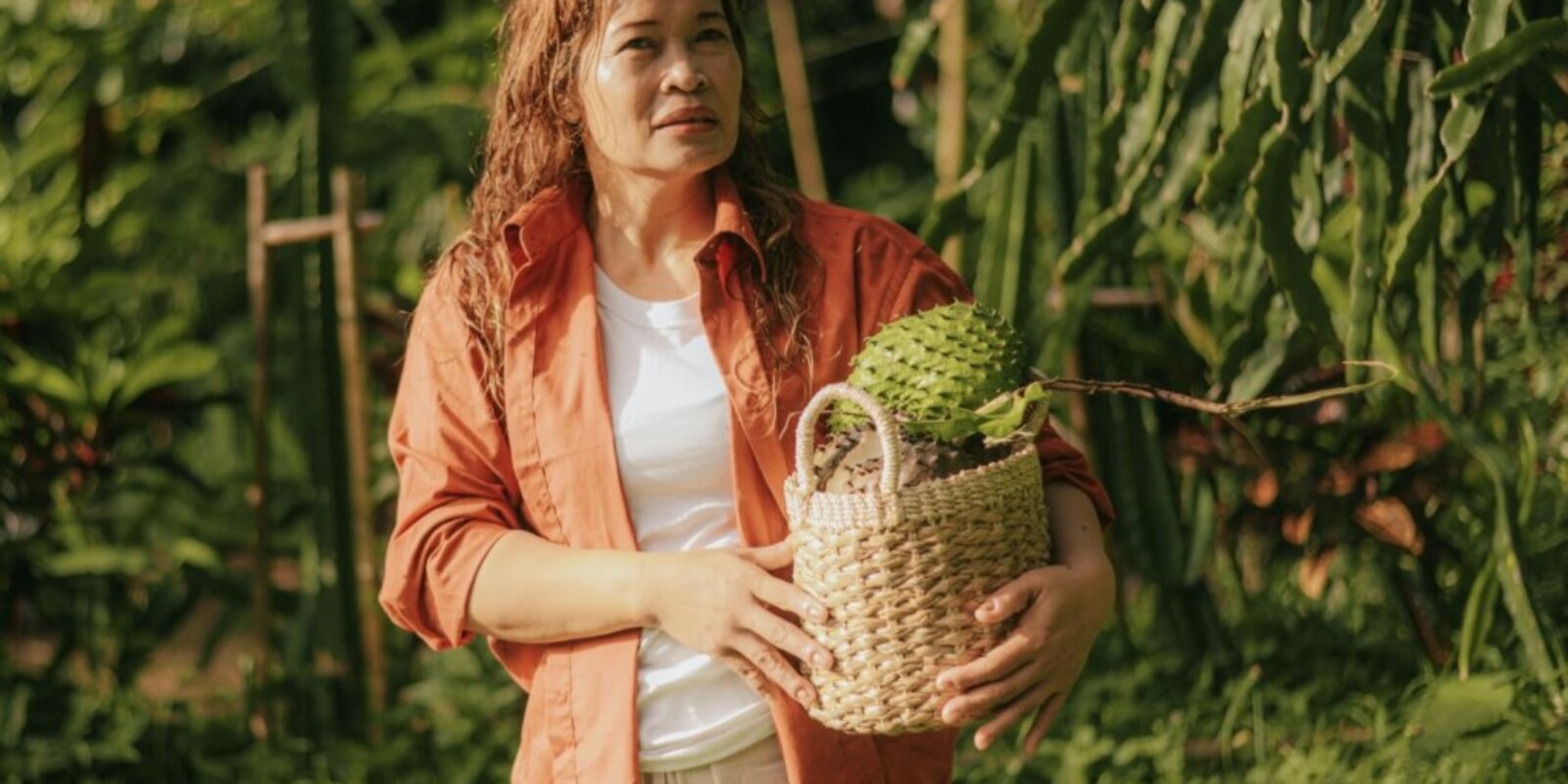
Filipino food, to the uninitiated, may seem unhealthy.
While vacationing in the Philippines, many visitors may think that way as it is hard to find vegetable-based dishes.
Restaurants offering Filipino dishes often have a typical menu of adobo, kare-kare, crispy pata—all meat-based dishes.
However, many local produce have high nutritional density and are rich in antioxidants, probiotics, fibre, vitamins, and nutrients.
These so called “superfoods” can be incorporated easily in your daily meals for a balanced, nutritious diet.
Here are five Filipino “superfoods” that have secret healing powers.
Ampalaya (Bitter Melon)
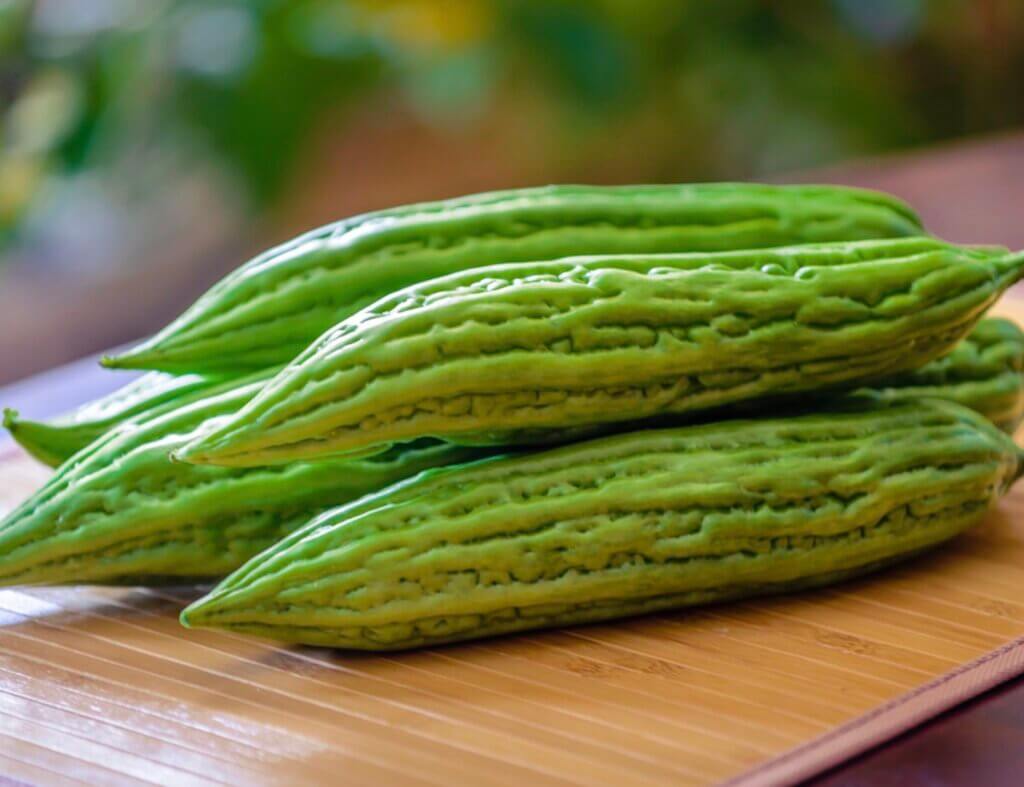
Ampalaya is a fruit from a vine that’s a household staple in East Asian, East African, South Asian and Southeast Asian cuisines.
It has a distinct green exterior with rough ridges and is known for its bitter taste.
However, taking the seeds out and soaking it in salted water can lessen the strong bitter taste.
The fruit is often consumed in its green stage.
In the Philippines, you will often find a sauteed dish of ampalaya with scrambled eggs and tomato for breakfast fare, or as a salad.
In 1992, the Department of Health in the Philippines released a list of ten approved medicinal plants, ampalaya included.
It is often used to aid in managing diabetes as studies have shown that its compounds help lower blood sugar levels.
Its medicinal properties are also said to help kill bacterias and viruses, fight free radicals and reduce inflammation.
Guyabano (Soursop)
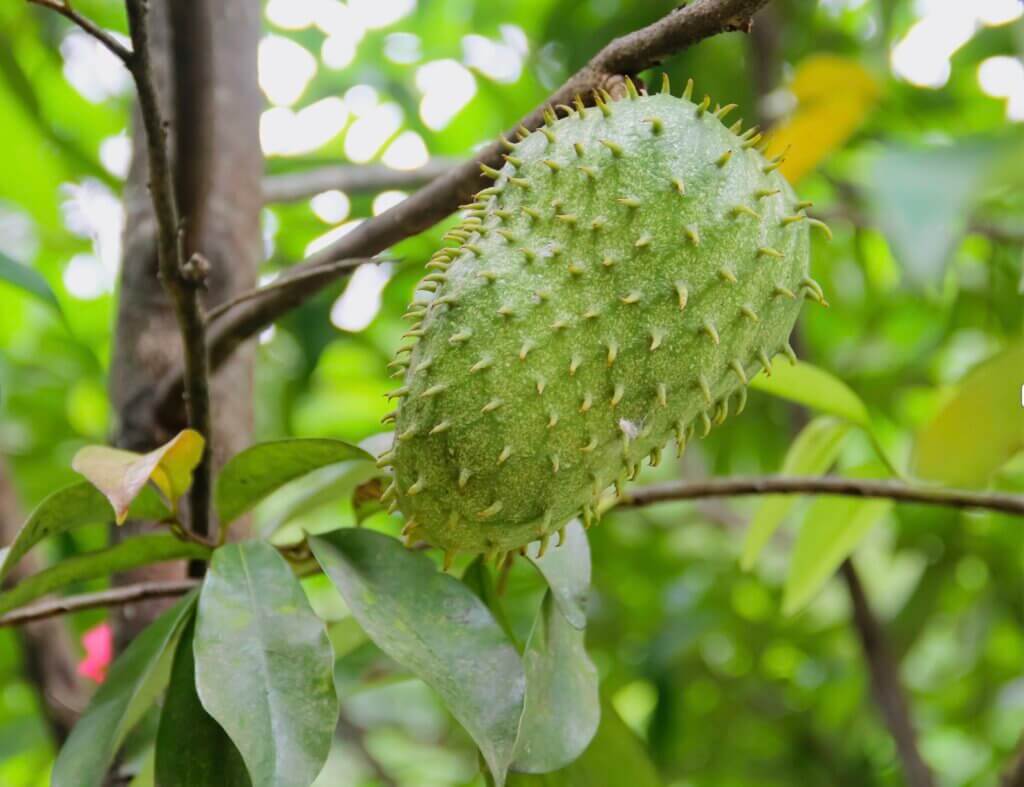
Contrary to its English name, guyabano is a fleshy, sweet and juicy fruit when ripe.
Its exterior is usually green, heart shaped, with little pointy spikes protruding.
The inside of the fruit are white and pulpy.
It is widely cultivated in Central America, parts of Africa and Southeast Asia.
In the Philippines, it is often eaten as it is or as a juice, puree or smoothie.
According to the Philippine’s Department of Science and Technology, it’s rich in dietary fibre, Vitamins C, B1, B2.
The fruit is also high in flavanoid content which has been found to prevent viruses, carcinogens, and allergens.
Like ampalaya, guyabano has been traditionally used to lower blood sugar.
Malunggay (Moringa)
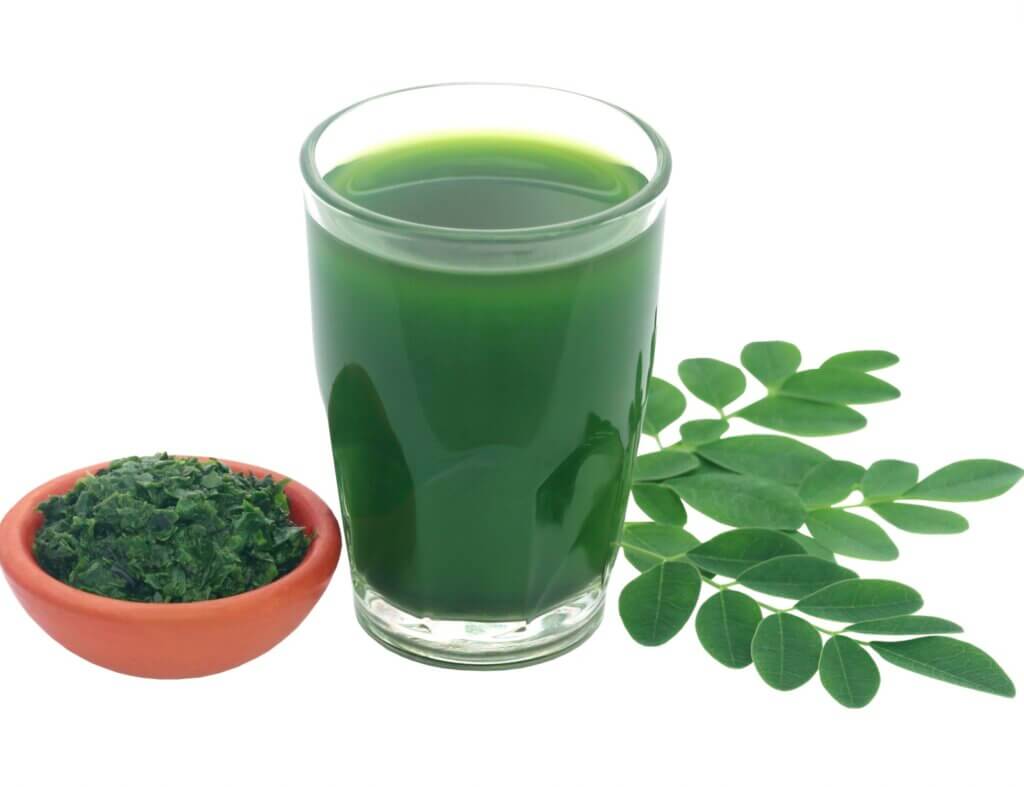
Malunggay is a tree that is native to the Indian subcontinent and widely used in Southeast Asia.
In the Philippines, locals use the leaves as food, often in clear soups.
The malunggay tree is often found in home gardens, empty lots and in the wild.
Malunggay is considered a superfood because of its nutrients that include Vitamin C, beta-carotene, calcium, iron, and magnesium to name a few.
Because of this, Malunggay is believed to aid in lowering blood sugar and cholesterol levels.
Its high concentration of polyphenols are also said to be good for liver health.
Mangosteen
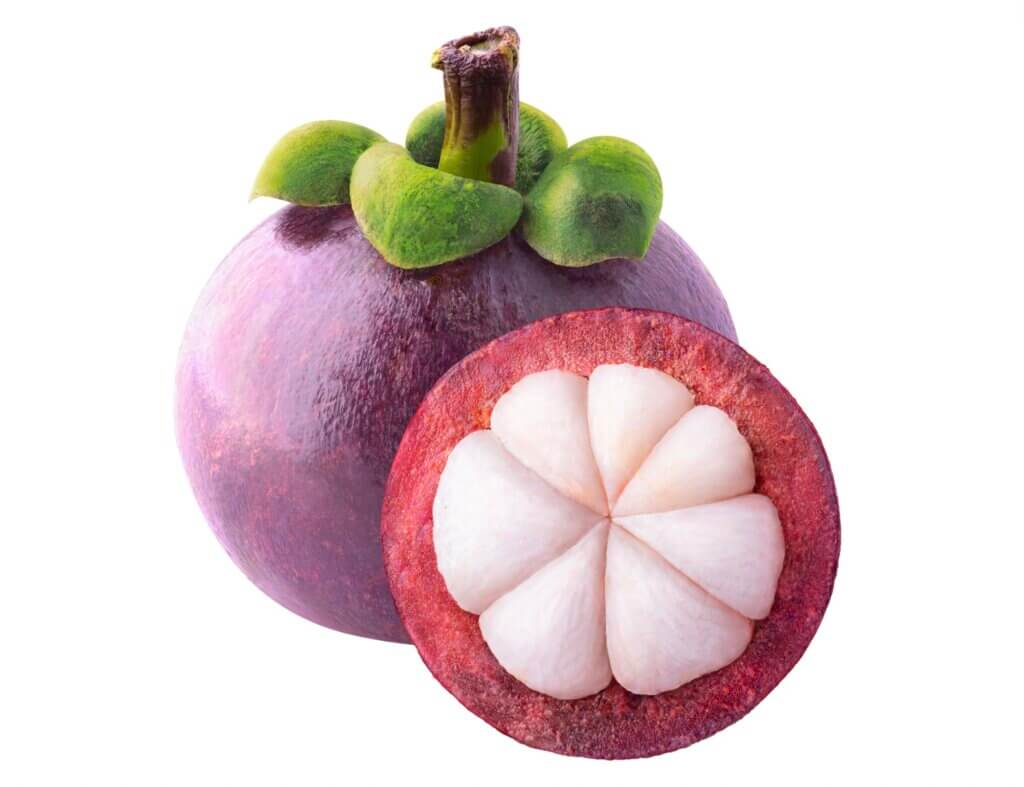
The mangosteen fruit comes from the tropical mangosteen tree native to Southeast Asia.
It’s both sweet and sour, juicy and a little fibrous, which feels soft to chew in the mouth.
The mangosteen fruit is purple on the outside and white on the inside.
Mangosteen is said to have powerful antioxidants that help boost your immunity system.
Many parts of the tree have been traditionally used to treat wound infections, fevers and diarrhea.
In the Philippines, mangosteen capsules have been used as a food supplement to improve moods, relieve stress, as well as reduce pain and lower bad cholesterol.
Adlai (Job’s tears or pearl barley)
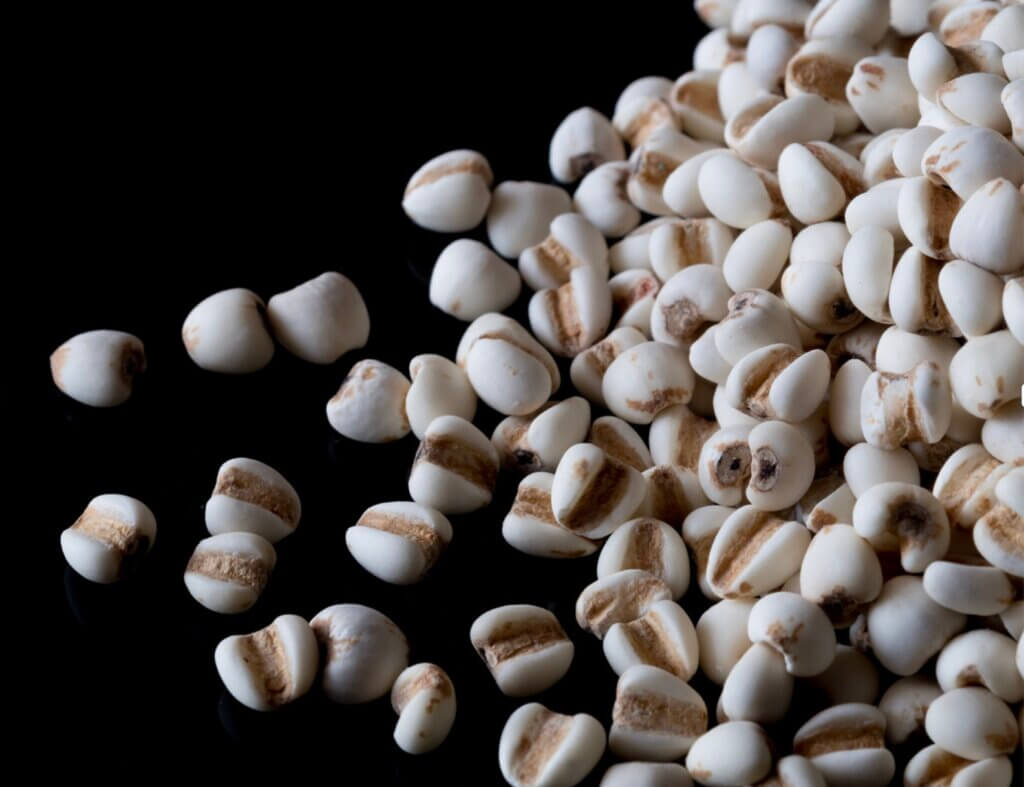 Adlai’s extract has been traditionally used to treat allergies as a topical concoction. Canva photo
Adlai is a whole grain known to be an heirloom grain.
Known internationally as Job’s tears or Chinese pearl barley, it has been a staple in many Indigenous cultures in the Philippines.
It’s similar to white rice but healthier, fluffier, chewier and has a nuttier flavour.
Adlai is gluten-free, low in glycemic index and rich in dietary fibres.
You can use it to make favourite Filipino dishes such as champorado, arroz caldo, and paella.

Astrid Agbayani is a B.C. based journalist, filmmaker and communications professional. Born in Manila, raised in Mindanao, and a young adulthood spent in Canada—she embodies an evolving identity, with a unique worldview shaped by many lives inhabited in one lifetime. Rooted in her multicultural background, she aims to contribute to a diverse Filipino identity in the diaspora, offering insightful perspectives into the human experience. Her work can be found in BC Living, Vancouver Magazine, Western Living, CityNews and CBC News.


Oh my gulay! Top 7 Philippine veggies and how to cook them - Mabuhay Canada
September 6, 2024 @ 12:00 am
[…] a look at our list of Filipino vegetables […]