
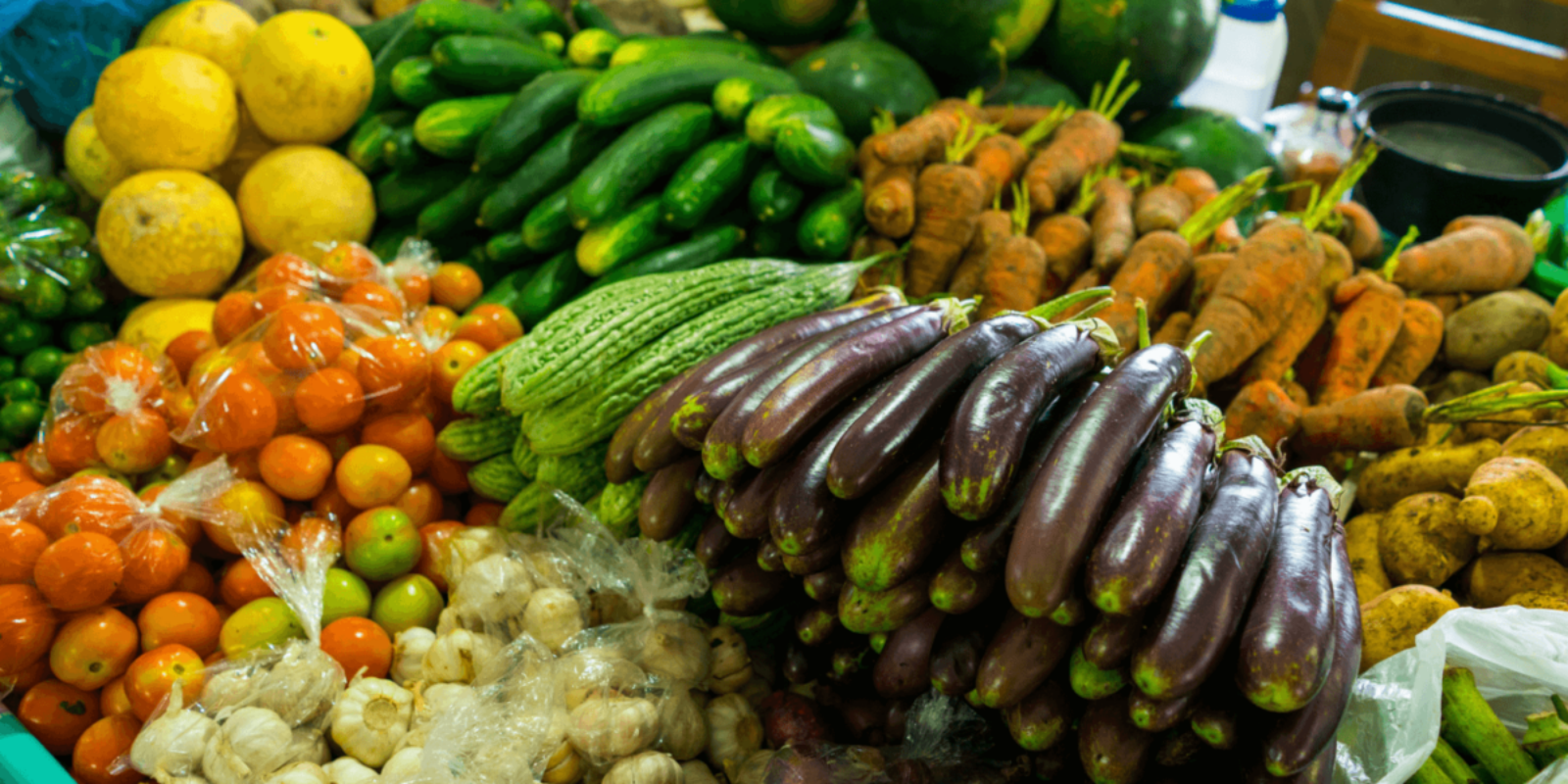
If there’s one song that gets taught to the majority of Pinoy kids everywhere, it’s “Bahay Kubo”: a catchy song about the various vegetables growing outside a bahay kubo (nipa hut).
While some of the vegetables mentioned in the song are familiar to most people—sibuyas (onion), kamatis (tomato), bawang (garlic) and luya (ginger) comes to mind—a few veggies aren’t as well-known.
Who knew linga was actually sesame seeds?
And what’s kundol?
Perhaps next time you’re at FreshCo or Food Basics, you’d catch a glimpse of these Pinoy veggies, and you’d be brave enough to buy and cook them.
Have a look at our list of Filipino vegetables :
Ampalaya (Bittermelon)
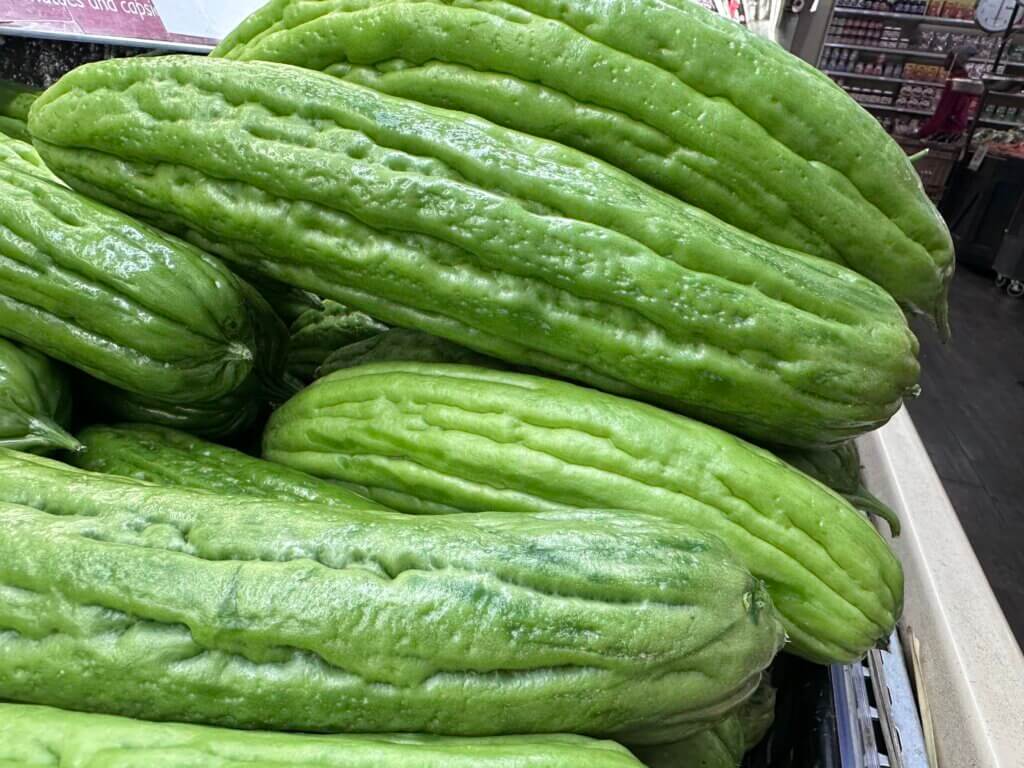
A powerhouse of a vegetable, ampalaya is known not only for its bitter taste, but also for its health benefits.
Ampalaya has high levels of antioxidants, packed with nutrients and touts weight loss as its benefits—if you can stand the bitter taste, of course.
An easy way to remove its bitterness is to rub it in salt.
And it’s a breeze to incorporate ampalaya in your meals: add it to your omelet.
Okra
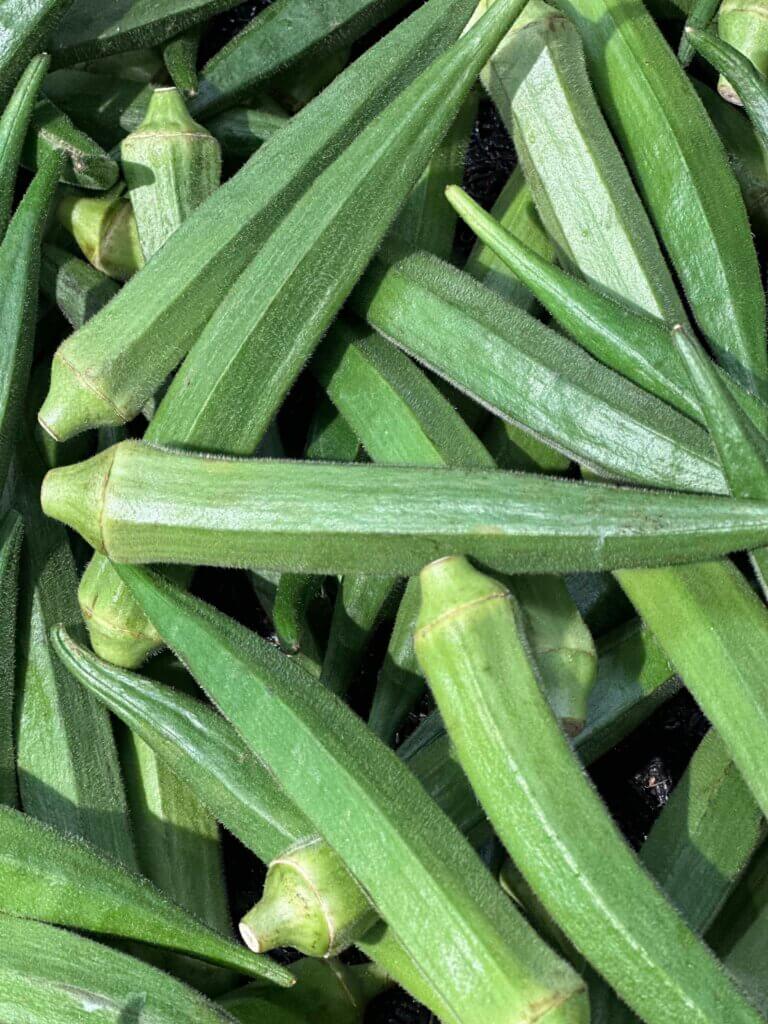
Okra is slimy, seedy, and has a rough exterior, but you’ll forget its faults when dipped in egg and a breaded mixture, then deep fried.
In the Philippines, okra is often used as one of the ingredients in the classic pinakbet recipe.
Swimming in golden, salty sauce made from a mixture of squash, shrimp paste, ampalaya and a host of other veggies, okra gets to shine with other native vegetables in beloved iterations of pinakbet.
Talong (Eggplant)
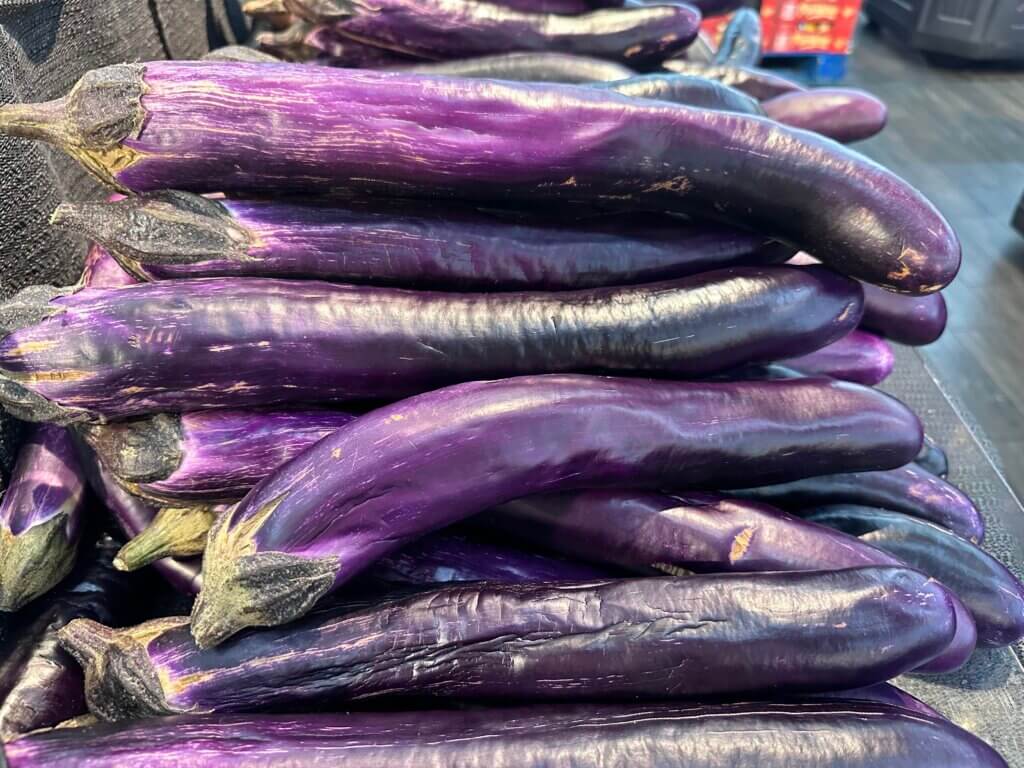
Talong, or eggplant, is quite familiar nowadays in North America, although the squatter, rounder eggplant seems to be the fave version.
Filipinos have a tortang talong recipe that is quite frankly underrated.
After you grill and peel the talong’s skin, flatten the eggplant, dip in egg, and fry in a little bit of olive oil or butter.
It’s a warm Filipino hug in the morning. Pair with an egg and longganisa for best results.
Sayote
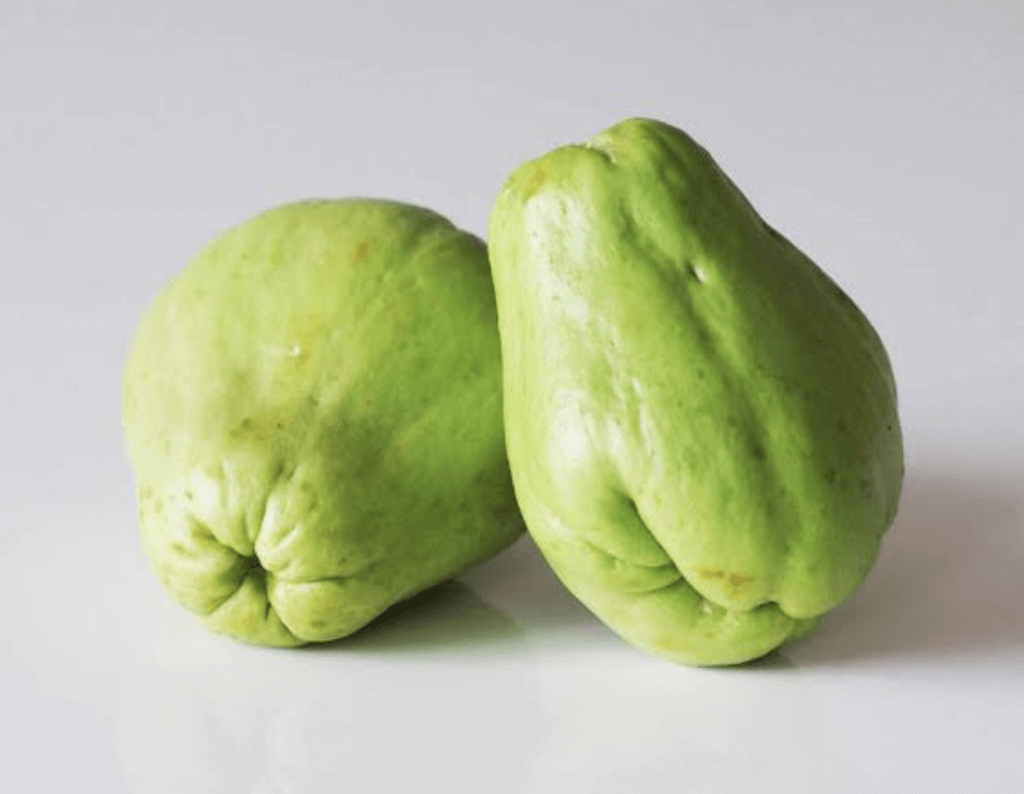
Sayote has a soft, green exterior (that you peel off), a seed inside it (that you must discard), and a slightly sticky film when you slice them.
Cut in half, rub together to get rid of the stickiness, and core out the white part (that’s the seed).
Sayote has a mild flavour, perfect for brothy, chicken dishes like tinolang manok.
Tinolang manok is the equivalent of chicken noodle soup: warm, comforting, and perfect for cold, winter nights.
Upo (Bottle Gourd)
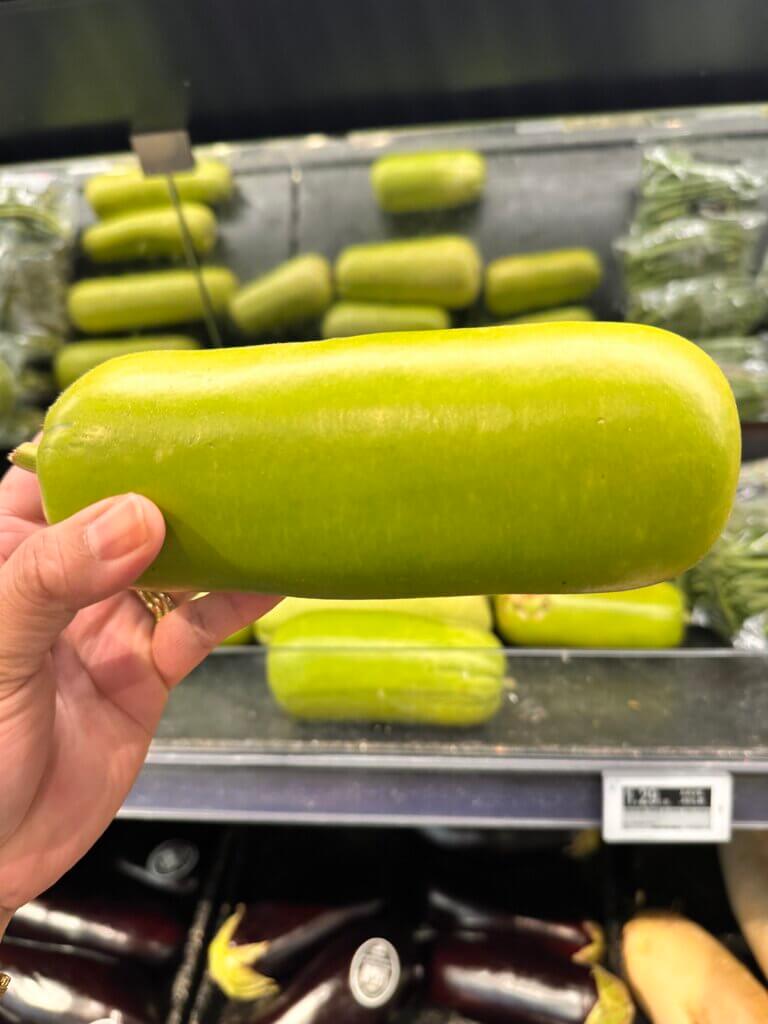
Upo is another mild tasting veggie similar to zucchinis.
Peel the exterior, cut out the seeds, and saute it in garlic, onions, tomatoes and ground pork or beef for a simple meal called ginisang upo.
Sitaw (long beans)
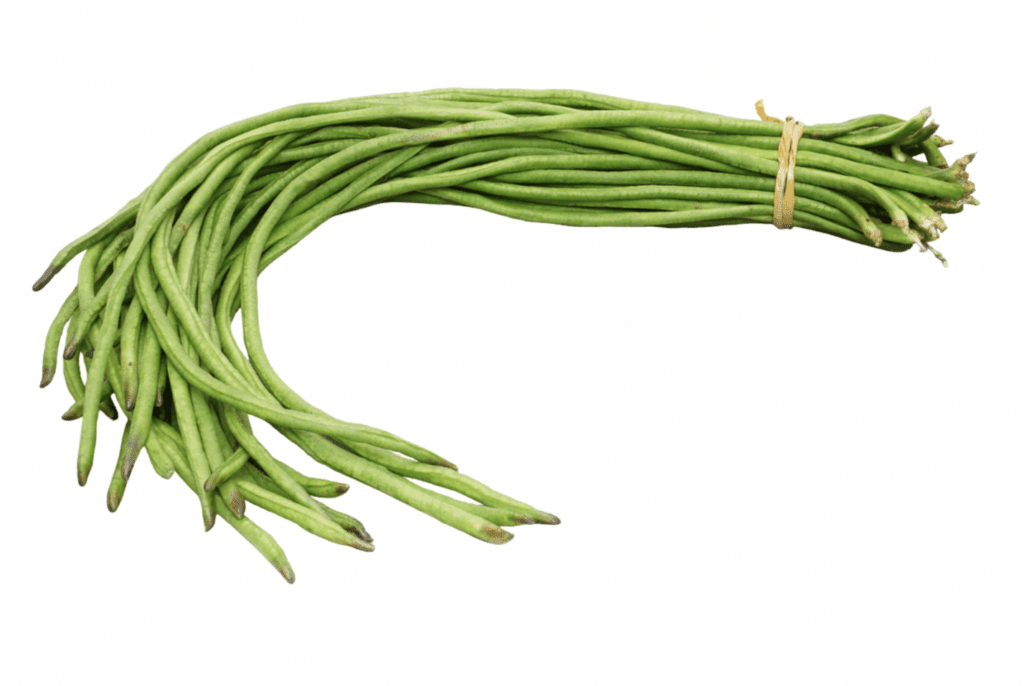
Sitaw doesn’t quite have the crunch of a regular bean, or its taste either.
Sitaw is typically used in pinakbet, and on its own as adobong sitaw.
Sigarilyas (winged beans)
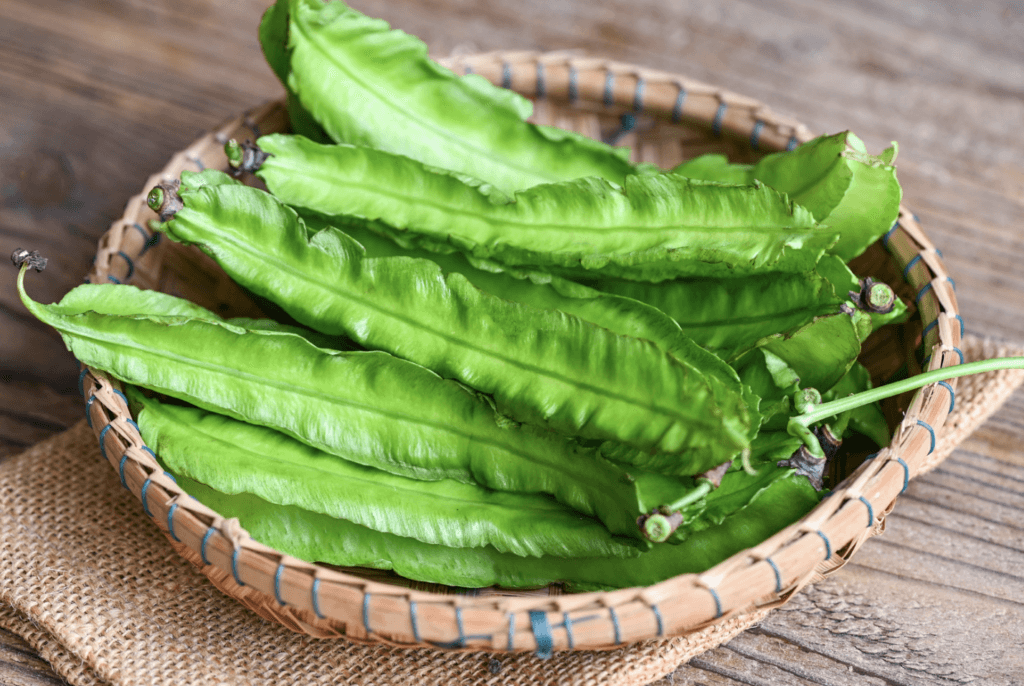
Sigarilyas is probably the hardest Pinoy vegetable to find in North America.
It is quite uncommon to see sigarilyas in Asian grocery stores.
Cut off both ends and slice in half-inches, and saute like you would other veggies.



Why Pinoy “promdi” life is making a comeback - Mabuhay Canada
October 24, 2024 @ 11:55 pm
[…] close-ups follow of the five or so fish he caught, then more shots of various vegetables being picked and then washed in the river: saluyot, a small bamboo shoot, a few […]