

The Philippines is known for its vibrant festivals that showcase the country’s rich culture, deep-rooted traditions, and strong sense of community.
With a festival happening almost every month, these grand celebrations are a mix of religious devotion, historical significance, and pure revelry.
Here are the top five festivals in the Philippines, where they are celebrated, and why they matter:
1. Sinulog Festival (Cebu City)

Held every third Sunday of January, the Sinulog Festival in Cebu City is one of the grandest and most popular festivals in the Philippines.
It is a religious and cultural event honouring the Santo Niño (Child Jesus), which was a gift from Spanish explorer Ferdinand Magellan to the Rajah of Cebu in 1521.
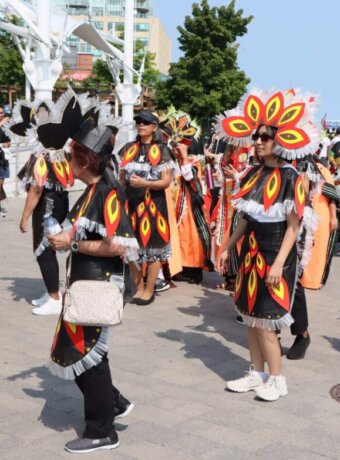
The festival is known for its grand street parade featuring dancers in colourful costumes performing to the rhythm of drums and gongs.
The Sinulog Festival is significant as it symbolizes the Filipino people’s deep Catholic faith and serves as a major tourism draw, attracting millions of visitors annually.
2. Ati-Atihan Festival (Kalibo, Aklan)

Also held in January, the Ati-Atihan Festival in Kalibo, Aklan is often referred to as the “Mother of All Philippine Festivals.”
It is a religious and cultural celebration in honor of the Santo Niño, similar to Sinulog.
The festival’s name comes from the Indigenous Ati people, and participants paint their faces with black soot to resemble them.
The event features drumbeats, street dancing, and chants of “Hala Bira!” to energize the crowd.
Ati-Atihan is significant because it represents the blending of Indigenous and Spanish influences in Filipino culture while maintaining a deeply religious essence.
3. Panagbenga Festival (Baguio City)

Known as the “Flower Festival”, the Panagbenga Festival in Baguio City is a month-long celebration held every February.
The word Panagbenga is derived from a Kankanaey term meaning “season of blooming.”
The festival showcases Baguio’s beautiful flowers, with grand float parades decorated with vibrant blooms, street dancing, and cultural performances.
Panagbenga is important because it symbolizes the resilience of Baguio after the devastating 1990 earthquake and celebrates the city’s thriving tourism and horticulture industry.
4. Pahiyas Festival (Lucban, Quezon)
Celebrated every May 15, the Pahiyas Festival in Lucban, Quezon is a thanksgiving event for a bountiful harvest in honor of San Isidro Labrador, the patron saint of farmers.
If Panagbenga is all about flowers, Pahiyas focuses on vegetables, rice stalks and fruits for decoration.
Houses are decorated with colourful rice wafers (kiping), fruits, vegetables, and handicrafts, turning the town into a vibrant, picturesque spectacle.
The festival matters because it highlights the importance of agriculture in the Philippines and showcases Filipino creativity through intricate and artistic house decorations.
5. Kadayawan Festival (Davao City)

The Kadayawan Festival, held every August in Davao City, is a celebration of thanksgiving for nature’s bounty, cultural heritage, and indigenous communities.
The festival features street dancing, floral floats, and indigenous performances that honor the different ethnic tribes of Mindanao.
Kadayawan is significant as it promotes unity among the diverse communities of Davao and highlights the rich cultural heritage of the region.
Why These Festivals Matter
These festivals are not just grand spectacles; they are integral to Philippine identity.
They preserve cultural traditions, strengthen community bonds, and boost local economies through tourism.
Whether religious, agricultural, or indigenous in origin, these celebrations embody the Filipino spirit of joy, gratitude, and resilience.
If you ever get a chance to visit the Philippines, make sure to experience at least one of these festivals—you won’t regret it!

From Indie to OPM: Why You Can’t Miss Fun Philippines Toronto
June 28, 2025 @ 6:55 pm
[…] year’s festival is a full-on celebration of Filipino pride, complete with sizzling eats, artisanal shopping, and a jam-packed weekend of live music, DJs, […]