For years, Dante Paolo struggled to feel like he truly belonged.
The 23-year-old moved from the Philippines to Canada as a child and grew up in a small town in British Columbia, where few Filipinos lived.
While his parents insisted he speak Tagalog and perform Filipino songs at multicultural festivals, he said those experiences alone did not make him feel connected to his heritage.
“I’ve always been in spaces where I felt like I didn’t belong,” Paolo said.
“Whether that was related to me being Filipino, my social skills or my queer identity.”
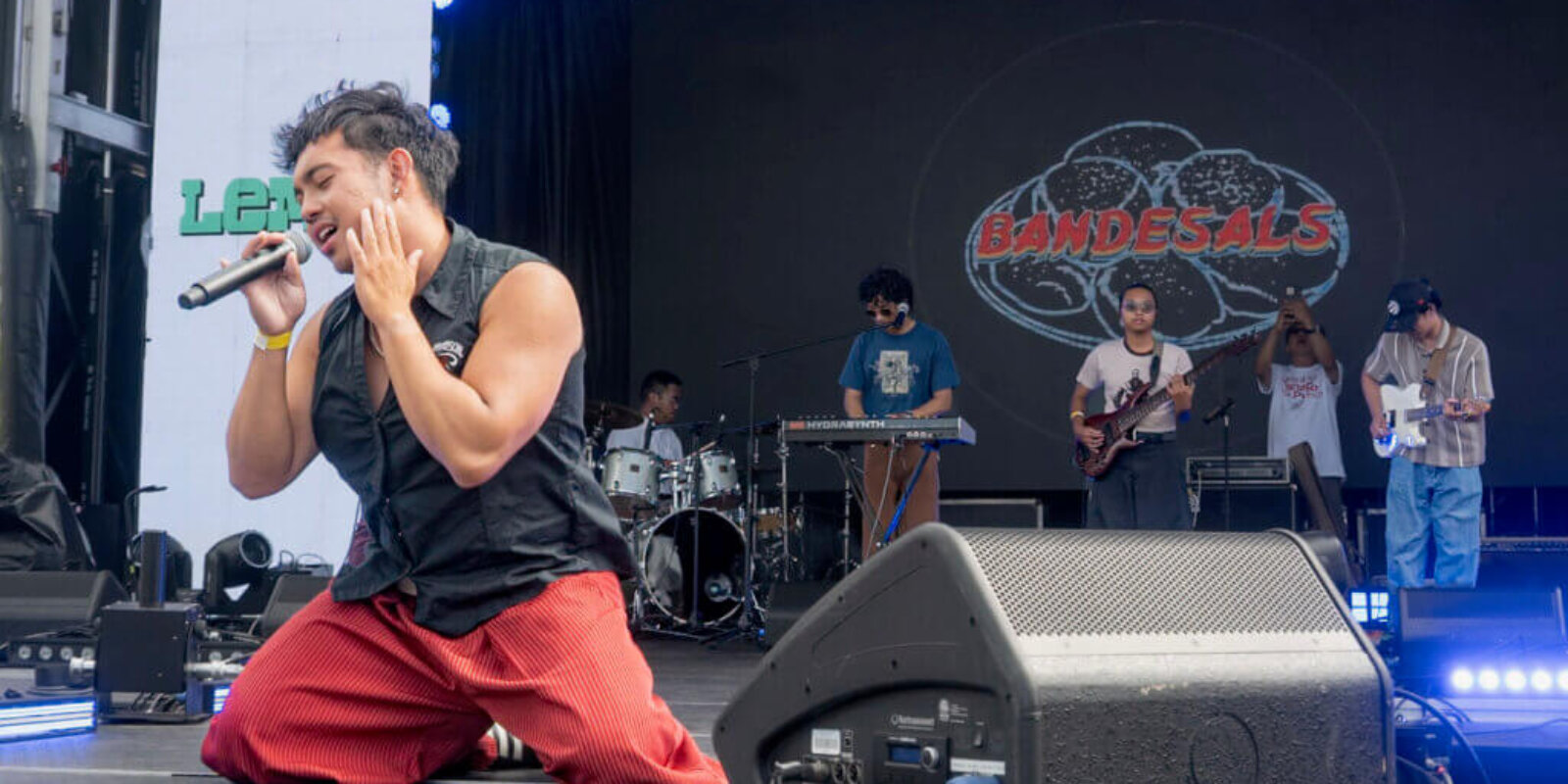
Those experiences inspired him to create Pagsasama, a Toronto-based cultural initiative that uses music and the arts to bring people together while helping young Filipino Canadians reconnect with their identity.
Paolo said his relationship with his heritage evolved over time rather than through childhood traditions alone.
Rediscovering Filipino identity

Although he grew up speaking English and initially resisted learning more about Filipino culture, his parents continued encouraging him to embrace his roots after the family immigrated to Canada.
“It is completely imperative to who I am today,” Paolo said.
“They made it their mission that I remember where I came from. Because if I didn’t know where I came from, then where could I go?”
That appreciation deepened after he returned to the Philippines last year for the first time in 14 years.
Rather than simply revisiting childhood memories, Paolo said the trip helped him better understand the sacrifices his parents made to give him opportunities in Canada and the realities many Filipinos continue to face.
“It was a little bit bittersweet,” he said. “Every time I go back there, it really just feels heavy, even though that’s supposed to be home.”
Building a space for emerging creatives

The experience eventually led to Pagsasama, which takes its name from the Filipino word for togetherness.
Paolo said the initiative grew from a Filipino music jam he organized with the Filipino Student Association at York University.
Unlike traditional performances, the event welcomed musicians of all experience levels and focused on creating a judgment-free environment where people could connect through Filipino music.
“It was relaxed, carefree,” Paolo said. “It’s about the people who are nothing and they’re trying to be something. It’s about helping you come from nothing into something.”
While music remains at the centre of the initiative, Paolo said its broader goal is to address barriers many aspiring Filipino artists face.
He said financial pressures, family responsibilities and the challenges of establishing careers in creative industries often prevent Filipino Canadians from building portfolios, networking or pursuing artistic opportunities.
“We’re already put at a disadvantage by being immigrants,” Paolo said. “On top of that, us being people of colour, we already have so many more systemic barriers.”
“With Pagsasama, we’re trying to close that gap by seeking out underrepresented people,” Paolo said.
Community beyond social media
Paolo believes younger Filipino Canadians are also looking for community in different ways than previous generations.
While social media has made it easier to stay connected with events happening in the Philippines, he said online platforms cannot replace genuine relationships or a sense of belonging.
“I think because of social media, a lot of Filipino Canadians are forced to put on a performance of who they are or a performance of who their Filipino-ness is,” Paolo said.
He said many young Filipino Canadians only begin embracing their heritage after discovering Filipino student associations, cultural groups or creative communities where they feel accepted.
“They realize that, ‘Hey, I can actually be Filipino,'” he said. “No one should be able to take that away from us.”
Looking ahead
Although Pagsasama focuses on Filipino artists and culture, Paolo hopes it will eventually become a model for supporting creatives from other communities as well.
Rather than measuring success by large productions or celebrity performers, he wants the organization to be remembered for helping emerging artists build the confidence and skills needed to pursue their goals.
“When people think of Pagsasama, I want people to think of nurturing,” Paolo said.
“I want people to think of development, but most importantly, I want people to think of quality.”
For Paolo, that work begins by reminding Filipino Canadians that their identity is not determined by language proficiency, how often they visit the Philippines or whether others see them as “Filipino enough.”
“Being Filipino is not defined by how many times you go to the Philippines a year,” he said. “It’s defined by whether or not you say you’re Filipino.”